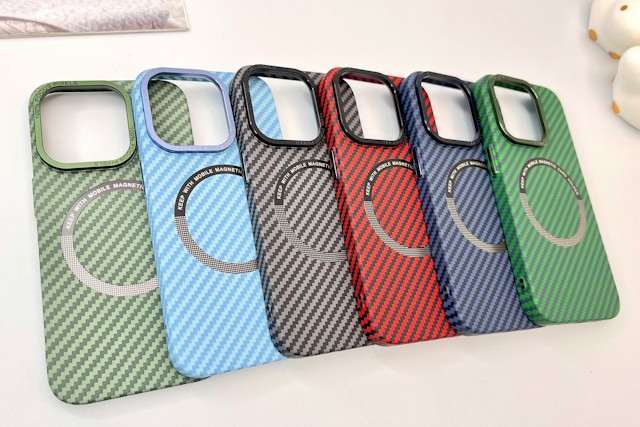
Today’s smartphone case market can do much more than protect your favorite device from scratches, water, dust, and dirt. The right case can also give your phone a little personality.
At AdmiGram.com, we’ve put together the most important things to consider when choosing a phone case — so you can find the right one and actually be happy with it.
How to Choose the Best Phone Case
Smartphone Case Protection Levels
© Temu
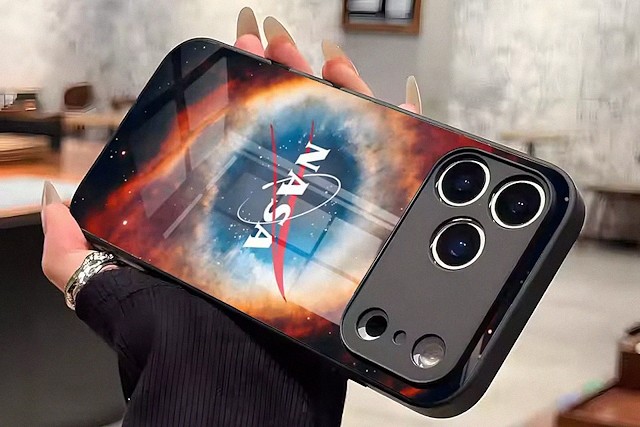
Phone cases can generally be divided into two categories based on how much protection they provide.
Full-Body Protection
These cases are designed to protect as much of your smartphone as possible from everyday damage. They can help protect against water splashes, dust, dirt, and scratches while also reducing the impact of a drop.
Typical examples include folio cases, flip cases, and heavy-duty protective cases.
Partial Protection
These cases mainly protect the back and sides of your phone while helping prevent scratches and small chips.
The most common examples are basic bumpers and snap-on cases.
Types of Smartphone Cases
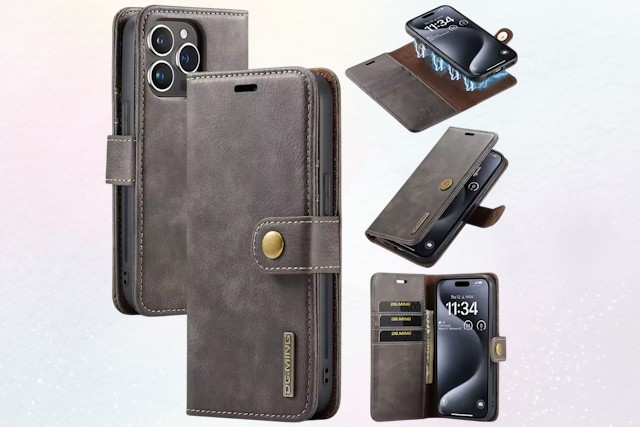
Folio Case
© Temu
What It’s For
A folio case protects the back, sides, and screen of your smartphone. Some models can also fold into a stand for watching videos.
If you have a relatively calm lifestyle and tend to take good care of your belongings, a folio case can be a great choice. It’s especially useful if you like keeping your phone clean, organized, and protected.
Materials
Folio cases are usually made from plastic, rubber, synthetic leather, or fabric. More expensive versions may use genuine leather or premium materials.
What to Look For
Make sure there are no clips, seams, or other parts inside the case that could scratch your phone. Cheap cases are especially likely to have this problem.
The phone should also fit securely inside the case. There shouldn’t be any unnecessary movement or looseness.
Snap-On Case
© Temu
What It’s For
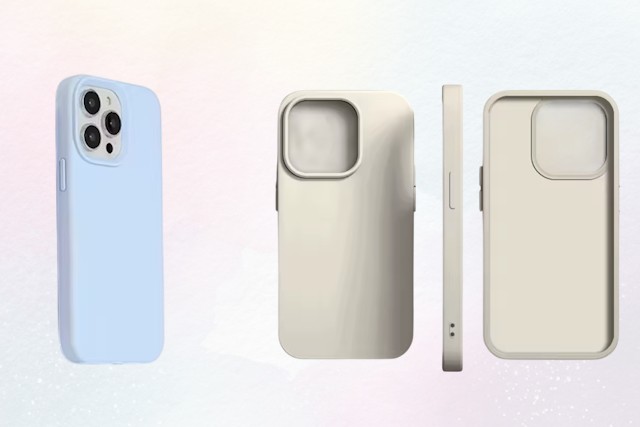
A snap-on case protects the back and sides of your smartphone without adding too much bulk.
It’s a good choice for people with an active but reasonably careful lifestyle — and for anyone who wants to give their phone a little more personality.
Materials
You’ll find plenty of colorful plastic and clear silicone cases, especially among more casual and fashion-focused designs.
For a more premium look, there are cases made from leather, metal, wood, and other materials.
What to Look For
The case should stay firmly attached to your phone and give you a secure grip, even when your hands are wet.
It should also fit tightly around the entire phone. A poorly made case can start separating from the phone after only a little bending or pressure.
If the case feels loose right out of the box, it’s probably not going to get better with time.
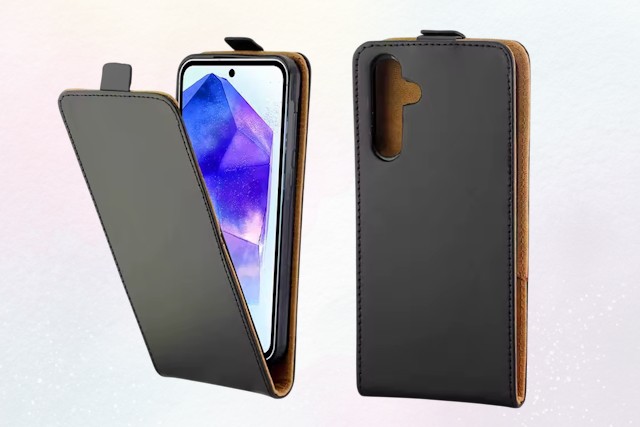
Flip Case
© Temu
What It’s For
A flip case is essentially a lighter and slimmer version of a folio case.
Flip cases are often marketed toward women, but there are plenty of simple, professional designs for men as well.
They’re best suited for people who are already fairly careful with their phones because many flip cases don’t provide the same rigid side and bottom protection as heavier folio cases.
Materials
Most flip cases are made from synthetic leather or premium fabric. More expensive models are usually made from genuine leather.
What to Look For
Don’t choose a flip case based on looks alone. It should actually protect your phone from everyday scratches and cover as much of the device as possible.
The phone should also be held securely inside the case. Avoid flimsy elastic straps, loose side panels, or questionable fasteners.
One common problem with cheap flip cases is that the phone can slip out when you hold the case upside down.
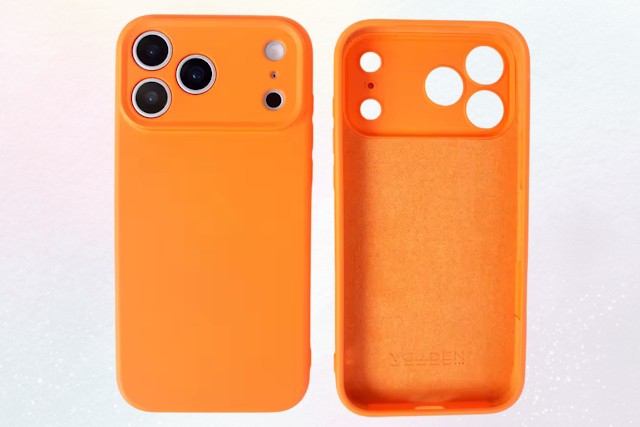
Bumper Case
© Temu
What It’s For
Bumper cases are designed for people with active lifestyles. Their main job is to absorb and spread out the force of an impact if you accidentally drop your phone.
There are many different versions, from simple protective bumpers to heavy-duty, multi-layer cases designed for serious drops.
Materials
Bumper cases are commonly made from rubber, plastic, or silicone.
More advanced models may combine several materials, sometimes including metal for extra structural support.
What to Look For
The case should fit tightly around your phone. Generally, the more securely and deeply the phone sits inside the protective edges, the better protected it will be during a fall.
Look for a model made with high-quality, flexible rubber or silicone that can absorb impact without becoming loose.
And here’s something worth remembering: if you are extremely hard on your phones, buying a rugged phone designed to survive tough conditions may sometimes make more sense than buying an expensive, ultra-heavy case for a regular smartphone.
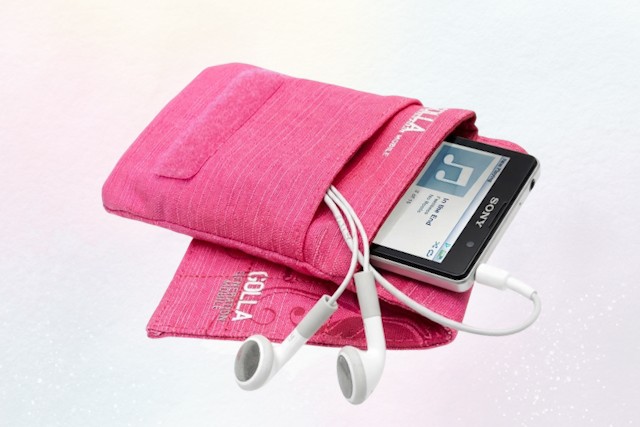
Pouch or Sleeve Case
© Temu
What It’s For
These cases are also known as phone sleeves or pocket cases.
They’re a good option for people who don’t use their phones constantly and mainly want protection while carrying them around.
A stylish sleeve can also be a nice choice if you want your phone accessory to stand out.
These cases do a good job of keeping dust away. However, they aren’t necessarily great at preventing scratches. If sand or other abrasive particles get inside, they can actually scratch your phone.
Materials
Phone sleeves can be made from synthetic materials, leather, fabric, knitted materials, and more.
What to Look For
If you choose a sleeve, first make sure you can still clearly hear your phone’s ringtone while it’s inside.
The phone should also stay securely inside the sleeve and not accidentally fall out.
Only after you’ve checked those basics should you worry about the design.
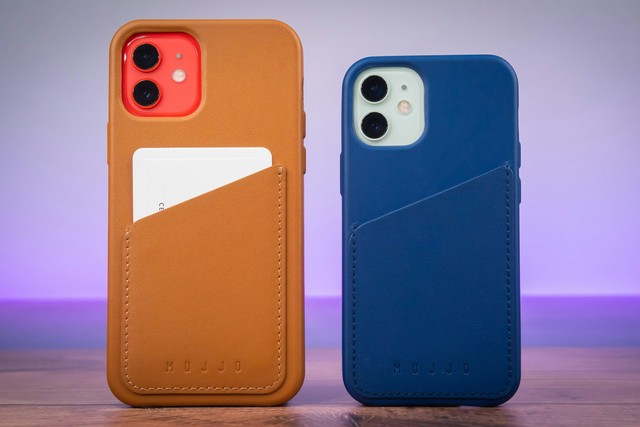
Important Tips for Choosing a Phone Case
© TechieTech Tech / Unsplash
- Don’t focus too much on the brand. Pay attention to build quality instead. Look for clean seams, smooth edges, and good materials. There shouldn’t be scratches, rough edges, loose threads, or other obvious defects.
- Remember that no case makes your phone indestructible. A good case can reduce the damage caused by drops, impacts, dust, and everyday accidents, but it can’t guarantee that your phone will survive everything.
- Make sure the case is comfortable to use. It shouldn’t block the camera, speakers, charging port, buttons, or other important parts of your phone.
- Consider a custom case if your budget allows. A custom-made case can give you a better fit and a unique design that you won’t see on every other phone.
- If style matters most, choose something you genuinely like. Your phone case is an everyday accessory, so there’s nothing wrong with choosing one that matches your personality.
Most importantly, treat your phone with a little care. Even the best case can’t replace common sense — but the right one can make a big difference when that inevitable “Oops!” moment happens.
image on top: Cristina Ong / Unsplash