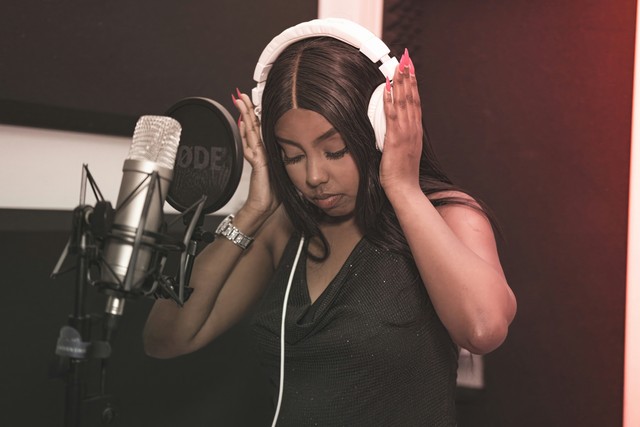
Have you ever heard your voice on a recording and thought, “Wait… is that really me?”
For some reason, the voice coming out of your phone or computer sounds completely different from the voice you hear every day. So what’s going on?
Not long ago, a group of ear, nose, and throat specialists conducted a fun experiment with elementary school children. The kids were asked to say the same word while being recorded. Later, each child listened to several recordings, including voices belonging to other children and their own.
The results were surprising.
The kids could easily recognize their friends’ voices. But when their own voice came on, many of them couldn’t identify it at all. It sounded completely unfamiliar.
After the experiment, the researchers explained why we hear our own voice differently from everyone else. At AdmiGram.com, we’re going to give you the short and simple version of that lesson.
Why Your Voice Sounds So Different on a Recording
The Truth About Your Voice
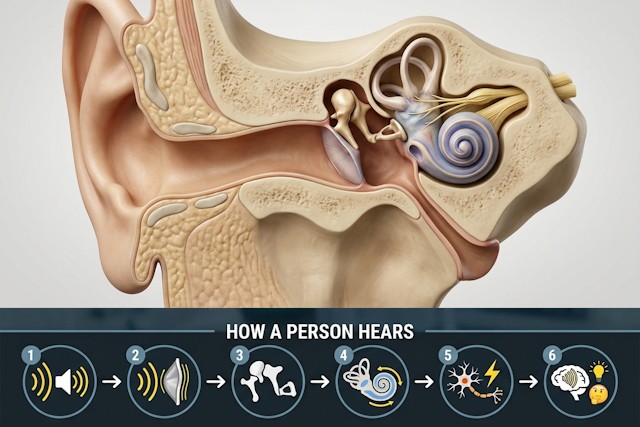
Let’s start with the basics.
Sound is created by vibrations traveling through a medium such as air, water, or a solid material. When you speak, the sound from your vocal cords travels through the air and enters your ears. Your inner ear, including the cochlea, then turns those vibrations into signals that your brain can understand.
But that’s only part of the story when you’re hearing yourself speak.
Your voice also creates vibrations inside your body. Those vibrations travel through the bones of your skull and reach your inner ear directly.
So when you’re talking, your brain is receiving your voice through two different pathways:
- Through the air around you.
- Through vibrations traveling through the bones in your head.
Your brain combines these two signals, which makes your own voice sound deeper and fuller to you.
A recording, however, captures only the sound traveling through the air.
That’s why the voice you hear on a recording sounds different.
And here’s the slightly uncomfortable truth: the recorded version is much closer to the voice other people hear when you speak.
Oh No! Do I Really Sound Like That?

© Rifki Kurniawan / Unsplash
The first time you hear your recorded voice, it can be a genuine shock.
“Wait… I sound like THAT?”
Relax. Almost everyone has the same reaction.
There’s nothing wrong with your voice. Your brain is simply used to hearing the special “inside” version of it. The voice coming from outside your body doesn’t immediately feel like you.
After hearing their recorded voice enough times, most people simply stop noticing the difference.
But if you’re not quite ready to embrace your recorded voice just yet, there’s some good news.
You can actually work on your voice.
Practicing your diction, pronunciation, breathing, and speaking technique can make your voice clearer and more expressive. There are plenty of free videos and exercises online that can help.
And you don’t need to become a professional voice actor.
Spend a few minutes practicing every day for a couple of weeks, record yourself again, and you may be surprised by how much more confident, clear, and expressive your voice sounds.
So the next time you hear yourself on a recording and cringe a little, remember:
It’s not that your voice suddenly became terrible. Your brain just wasn’t used to hearing it from the outside.
image on top: Shoham Avisrur / Unsplash