Ever looked at an amazing photo on Instagram and thought, “Well, of course it looks good — they probably have a $10,000 camera”?
Here’s the truth: a professional photographer can create an incredible image with almost any camera, while a beginner can spend $5,000–$10,000 (€4,300–€8,600) on gear and still end up with average photos.
At AdmiGram.com, we spoke with working photographers to find out what actually matters when buying a camera, why megapixels are one of photography’s biggest marketing tricks, and how to choose the right camera without overspending.
How to Pick the Right Camera: 5 Rules Every Pro Knows
Mistake #1: Chasing Megapixels
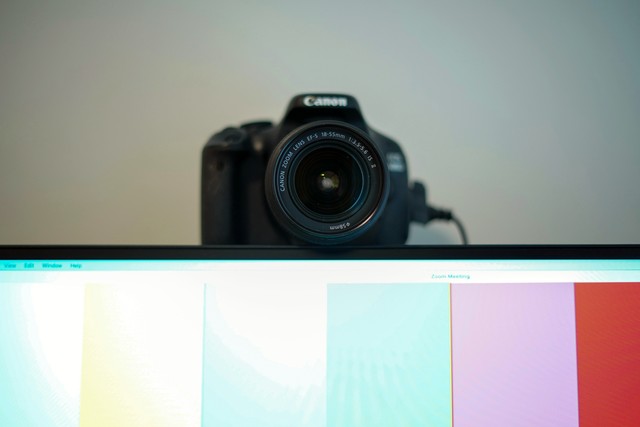
© Ravi Palwe / Unsplash
The biggest myth in photography is simple:
“More megapixels = better photos.”
Not really.
Unless you’re planning to print a billboard the size of a five-story building, you probably don’t need a 50-100 MP camera.
What really matters: Sensor size
Think of megapixels as tiny buckets collecting light.
If you cram too many tiny buckets onto a small sensor, they collect less light individually, which often leads to more digital noise in low-light situations.
A larger sensor with 20-24 megapixels usually produces cleaner, sharper, and more natural-looking images than a tiny sensor packed with twice as many pixels.
For almost everyone — including serious hobbyists — that’s more than enough.
Smartphone vs. Camera: Which One Should You Buy?
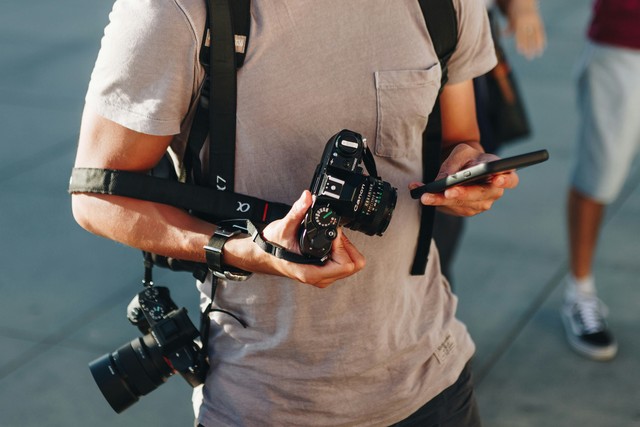
© Luke Porter / Unsplash
Let’s be fair — today’s flagship smartphones are incredible.
Using AI and computational photography, they automatically brighten shadows, blur backgrounds, and enhance colors before you even tap “Share.”
So why buy a dedicated camera?
A smartphone is perfect if you:
- Want to capture everyday moments
- Share photos instantly
- Prefer convenience over manual control
A camera is better if you want:
- More natural background blur
- Better low-light performance
- Higher image quality
- Greater creative control
- Professional-looking photos and videos
The difference isn’t just software.
It’s physics.
Larger sensors and quality lenses simply capture light better.
Which Camera Is Right for You?
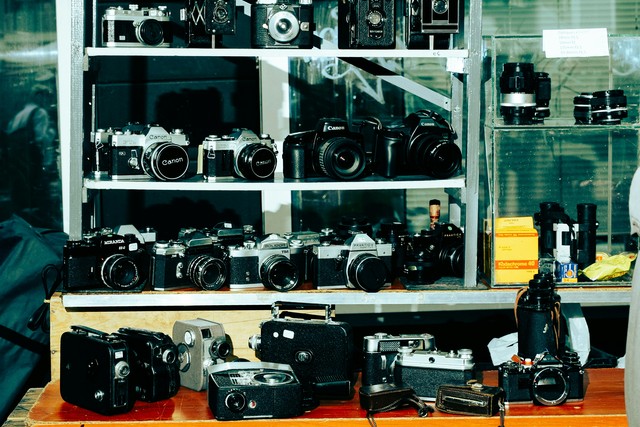
© Tom Caillarec / Unsplash
Don’t pay for features you’ll never use.
Find the category that sounds most like you.
1. “I just want great vacation and family photos.”
Skip the huge camera bag.
Look for a premium compact camera with a 1-inch sensor, or a small mirrorless camera paired with a compact “pancake” lens.
Why you’ll love it:
- Small enough for everyday carry
- Much better image quality than most phones
- Easy to travel with
2. “I love street photography, aesthetics, and creative shooting.”
Photography is as much about the experience as the final image.
Retro-inspired mirrorless cameras — such as the Fujifilm X Series or OM System (formerly Olympus) — are favorites among enthusiasts because of their beautiful color profiles and film-inspired looks.
Bonus: Many photos look fantastic straight out of the camera, with little or no editing required.
© Vivek Yadav / Unsplash
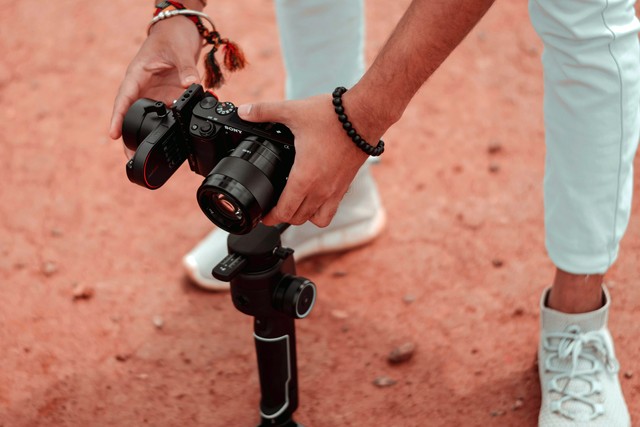
3. “I want to create YouTube videos, Instagram Reels, or a content channel.”
Focus on video-first features.
Look for a camera with:
- A fully flip-out screen
- Reliable eye-tracking autofocus
- Good built-in microphones or an external mic input
Many modern vlog cameras — like Sony’s ZV series — are designed specifically for creators.
4. “I want to become a professional photographer.”
If photography is going to become your career, a full-frame mirrorless camera is still the gold standard.
Just remember:
The camera body is only part of the investment.
Professional lenses usually matter even more than the camera itself.
And don’t forget to invest in education — great gear can’t replace experience.
3 Golden Rules Every Photographer Agrees On
© Tao Yuan / Unsplash
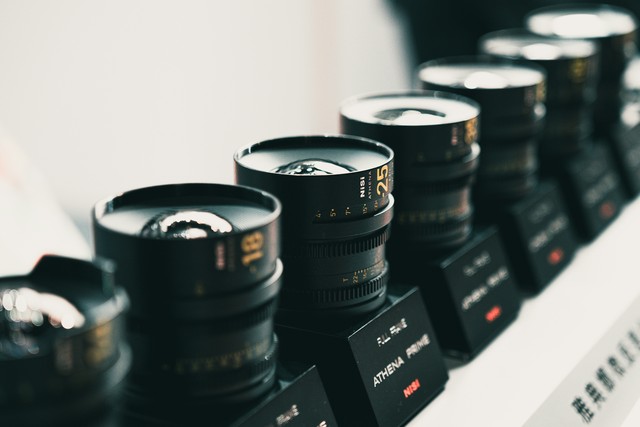
Spend more on lenses than on the camera body.
Camera bodies become outdated every few years.
A great lens can serve you for decades.
Sharpness, beautiful background blur, and overall image quality often come from the lens — not the camera.
Skip DSLRs and go mirrorless.
The photography industry has largely moved on from DSLR cameras.
Mirrorless systems are:
- Smaller
- Faster
- Better at autofocus
- Better for video
- Constantly receiving new lenses and technology
If you’re buying new today, mirrorless is usually the smarter investment.
Hold the camera before you buy it.
Specifications don’t matter if the camera feels uncomfortable.
Make sure:
- The grip fits your hand.
- The buttons feel natural.
- The menus make sense to you.
A camera you enjoy using is the one you’ll actually bring with you.
Final Thought: The best camera isn’t the newest or most expensive — it’s the one you have with you when the perfect moment happens. Don’t hesitate to start with an affordable or used model. Your eye, creativity, and practice will always matter more than the price tag.
image on top: Jason Rojas / Unsplash