Back in the late 1990s and early 2000s, a new phone launch felt like a major event. Every year brought fresh designs, exciting features, and gadgets that seemed years ahead of their time.
Today, most smartphones look and work in similar ways. But two decades ago, every phone had its own personality. Some flipped open, some slid apart, and some looked like futuristic devices straight out of a sci-fi movie.
At AdmiGram.com, we’re taking a nostalgic trip back to the mobile phones that became true icons of the early 2000s.
What the Good Old Mobile Phones Were Like
Nokia 3210 and Nokia 3310
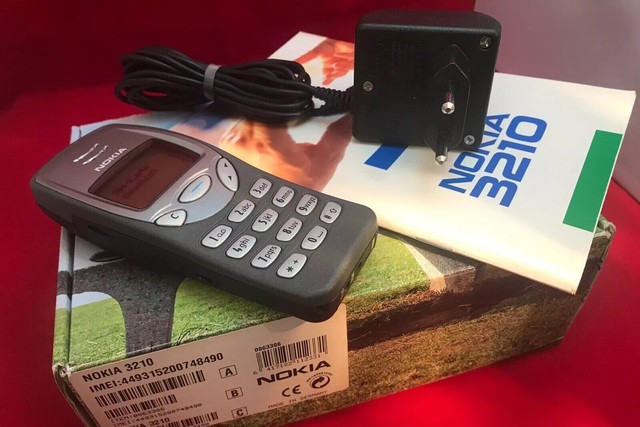
Few phones are as legendary as the Nokia 3210 and its successor, the Nokia 3310.
These devices became famous for their reliability, long battery life, and incredible durability. Many people still joke that a Nokia 3310 could survive almost anything.
At the time, features like built-in games, picture messaging, and an internal antenna felt surprisingly advanced. Their affordable price also helped make them some of the best-selling phones of their era.
And of course, who could forget spending hours playing Snake?
Siemens C65 and CX65
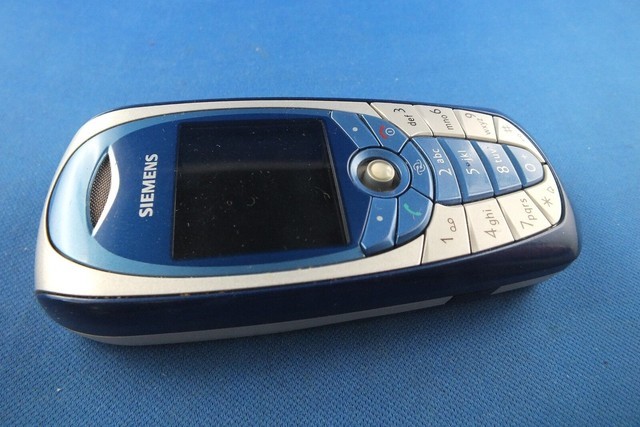
Before smartphones took over the world, Siemens was one of Europe’s most recognizable phone brands.
The C65 and CX65 became especially popular thanks to their stylish designs and solid performance. The CX65 offered features that were impressive for the time, including a color display, a built-in camera, Java support, and mobile internet access.
For many users, a Siemens phone offered a perfect balance between affordability and functionality. Even today, these models remain some of the most memorable devices the company ever produced.
Sony Ericsson K300, K500, and K700
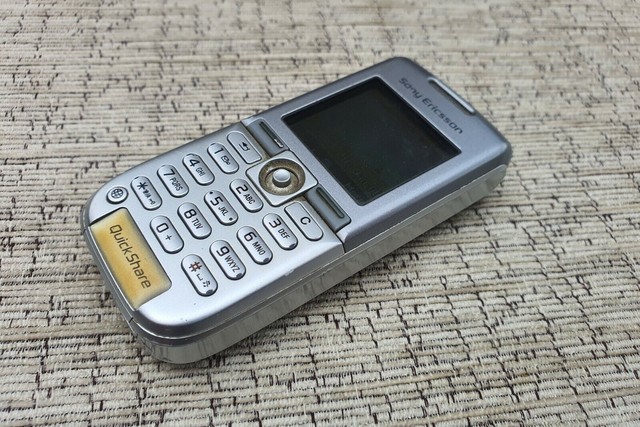
The Sony Ericsson K-series helped define what a modern mobile phone could be before smartphones arrived.
These devices combined music playback, cameras, video recording, and sleek designs in one package. The K700 quickly became a fan favorite thanks to its FM radio, user-friendly interface, and excellent build quality.
At a time when carrying both a phone and an MP3 player was common, Sony Ericsson gave users the best of both worlds.
Motorola E398
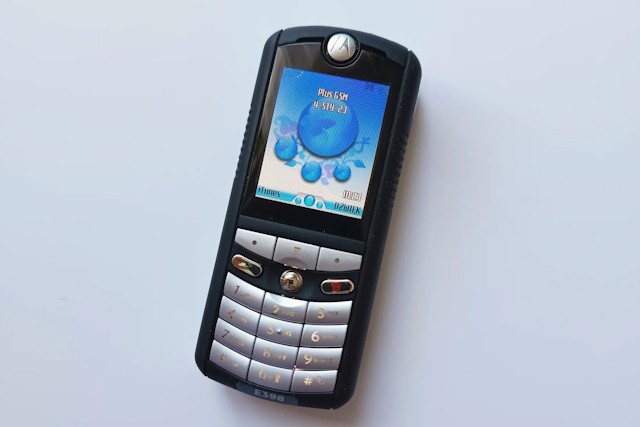
The Motorola E398 earned a reputation as one of the coolest phones of its generation.
Its standout feature was a pair of surprisingly powerful stereo speakers. For many owners, it felt like carrying a miniature boombox in their pocket.
The phone also offered expandable memory and music playback, making it a favorite among teenagers and music lovers. Long before streaming services existed, the E398 turned mobile phones into portable entertainment devices.
Samsung X600
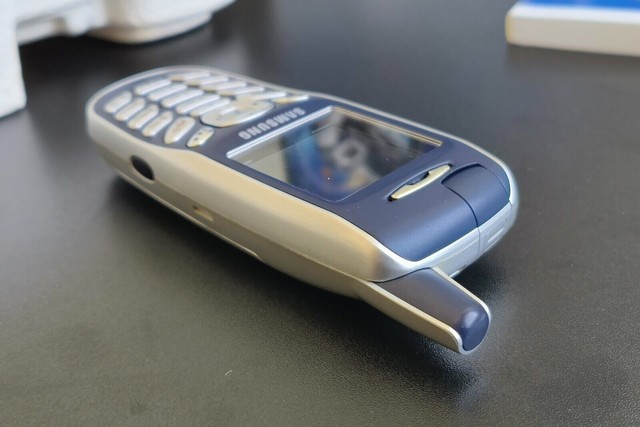
Samsung released countless memorable phones during the 2000s, but the X600 stood out for its unique design.
Its rotating camera made it easier to capture photos from different angles, something that felt remarkably innovative at the time. Looking back, it almost seems as if Samsung anticipated the future popularity of mobile photography years before selfies became a global trend.
Stylish, compact, and easy to use, the X600 became one of Samsung’s most recognizable phones of the era.
Motorola RAZR V3
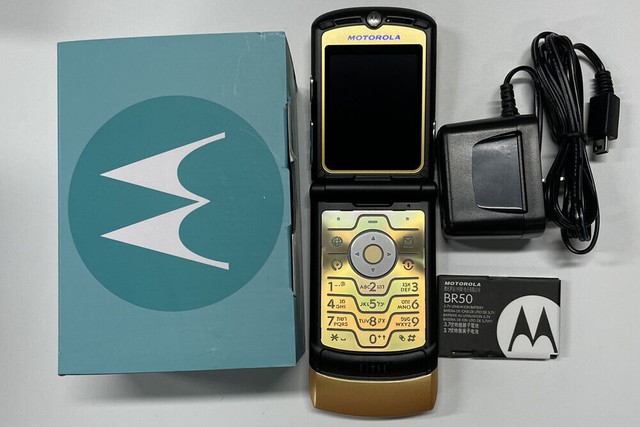
When people think about iconic flip phones, the Motorola RAZR V3 is often the first device that comes to mind.
Released in 2004, it immediately stood out thanks to its ultra-thin profile and premium metallic design. Compared to the bulky phones that dominated the market, the RAZR looked like a device from the future.
Its sleek appearance made it popular with both men and women, while its distinctive keypad became one of the most recognizable design elements in mobile phone history.
Even today, the RAZR remains one of the most influential phones ever created.
Nokia N90
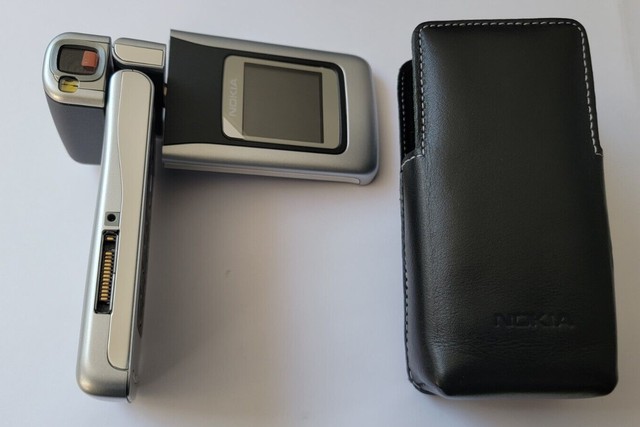
The Nokia N90 showed just how quickly mobile technology was evolving in the mid-2000s.
Its unusual swivel design allowed users to position the screen in different ways, making photography more comfortable and intuitive. Equipped with Carl Zeiss optics, autofocus, and a high-quality camera for its time, the N90 helped push mobile photography to a new level.
Powered by Symbian OS, it offered features that made it feel much closer to a modern smartphone than a traditional mobile phone.
Pantech PG-6200
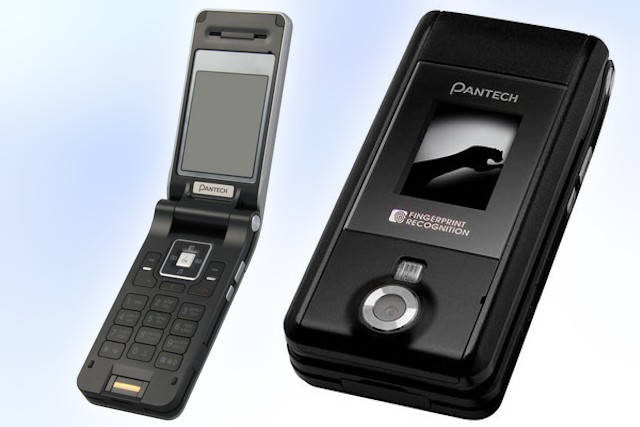
While brands like Nokia, Motorola, and Samsung dominated headlines, smaller manufacturers occasionally surprised the market with innovative ideas.
One such example was the Pantech PG-6200. Released in 2006, this stylish flip phone featured a built-in fingerprint scanner — something that was extremely rare at the time.
Designed with business users in mind, it also included a camera, Bluetooth connectivity, MP3 playback, and expandable storage. It proved that advanced security features weren’t reserved for the future.
Nokia 8800
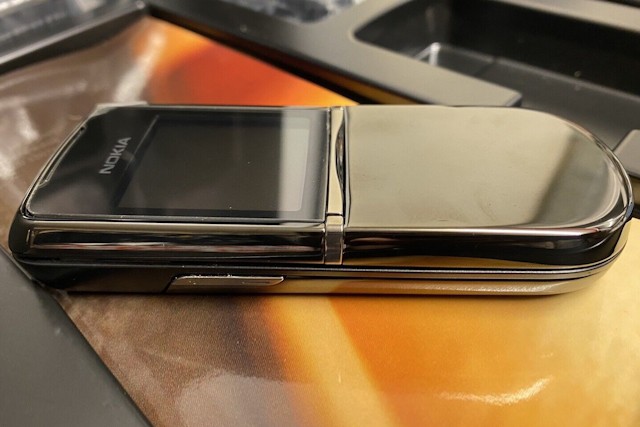
The Nokia 8800 was more than a phone — it was a status symbol.
Built from stainless steel and protected by scratch-resistant glass, it stood out for its premium materials and elegant design. Unlike many phones of its era, the 8800 focused on luxury rather than packing in every possible feature.
Owning one often meant you wanted something exclusive, sophisticated, and instantly recognizable.
Years later, the Nokia 8800 is still remembered as one of the most beautiful phones ever made.
iPhone 2G
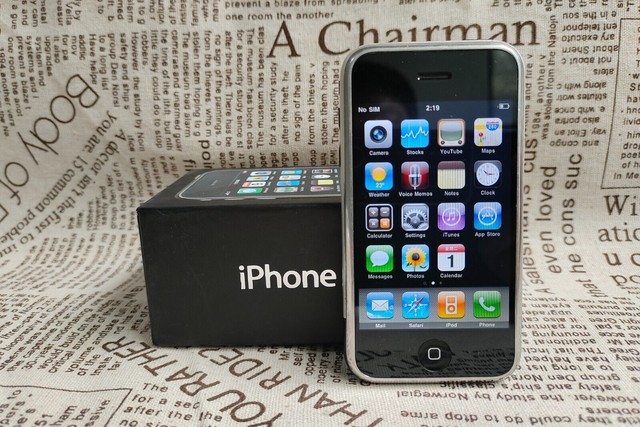
In 2007, the mobile phone industry changed forever.
The first iPhone introduced a large touchscreen interface that looked unlike anything most consumers had seen before. It combined a phone, a music player, and internet capabilities into a single device, setting the stage for the smartphone revolution.
While it lacked some features that later became standard, including 3G connectivity, the original iPhone fundamentally changed how people interacted with mobile technology.
The rest, as they say, is history.
image on top: Mingwei Lim / Unsplash