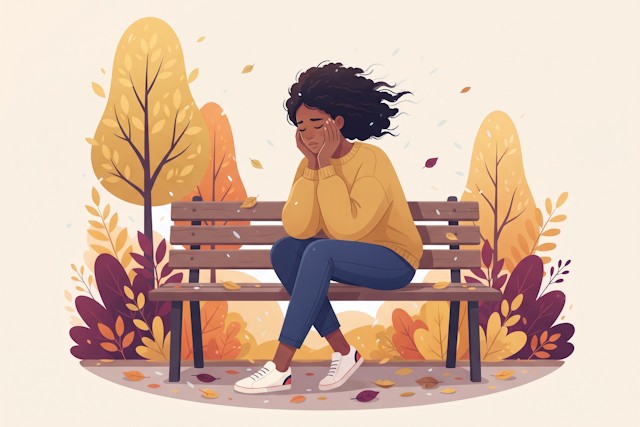
It feels like just yesterday we were picking out swimsuits and enjoying warm summer evenings. Now the alarm goes off in the dark, and outside there’s nothing but gray skies and wet pavement. Hello, fall blues!
But before you blame yourself for feeling lazy or drained, remember: there are real physical and psychological reasons why your mood can take a hit as the seasons change. We at AdmiGram.com took a closer look at what causes seasonal depression and what you can do about it.
Fall Depression: Causes and How to Fight It
Who’s to Blame? Where Do the Fall Blues Come From?
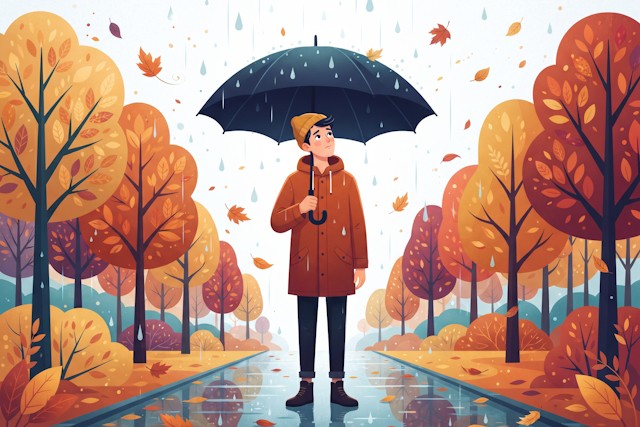
Doctors and psychologists point to several common factors that can make us feel down as fall arrives:
- Your genes and personality. Some people are naturally more prone to mood swings. If you tend to be sensitive, anxious, or put a lot of pressure on yourself, the change of seasons may affect you more strongly.
- Hormones and your metabolism. As the days get shorter, your body gets less natural light. This can affect serotonin, sleep patterns, and your overall energy levels. The result? Sleepiness, low energy, and the feeling that someone pulled the batteries out of you.
- Stress from the past. Constant criticism or unrealistic expectations during childhood can affect how we handle stress later in life, making seasonal changes harder to deal with.
- Overwork and past trauma. Physical or mental exhaustion, major stress, and difficult experiences can drain your body’s resources. Sometimes fall simply exposes the fatigue that has been building up for months.
What to Do: Reset Your Life for a More Positive Fall
Rethink Your Diet: Build a Better Mood Shield
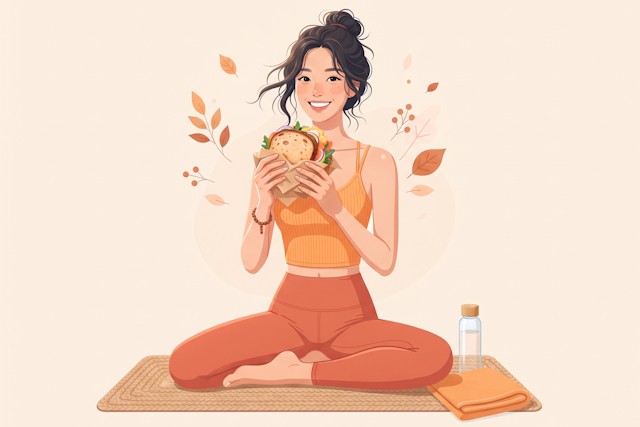
Strict dieting in the fall is probably not your best idea. Not getting enough protein and essential nutrients can leave you feeling even more tired and run-down.
Try adding foods that contain tryptophan, an amino acid your body uses to make serotonin. Good options include cheese, bananas, nuts, dates, dark chocolate, and fatty fish. Vitamin D is also important, especially when you’re getting less sunlight. Eggs, fatty fish, fortified foods, and other vitamin-D-rich options can help you get more of it.
Move Even When You Don’t Feel Like It
Exercise is one of the simplest ways to boost your mood and energy. And no, you don’t have to run a marathon in the rain.
Try yoga, stretching, a workout class, or simply take a brisk walk around the neighborhood. The goal isn’t to punish yourself—it’s to get your body moving and give your brain a natural mood boost.
Turn Sleep Into a Ritual
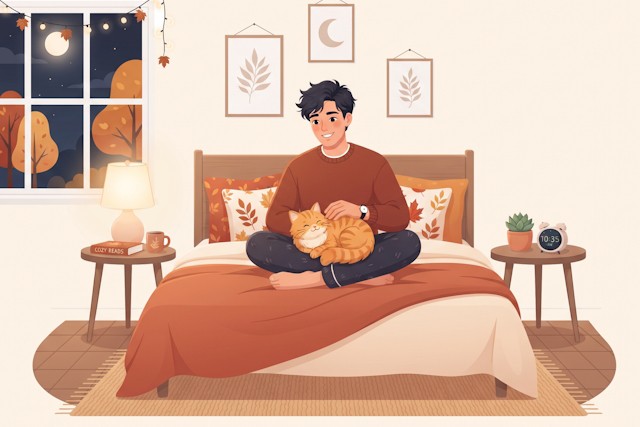
Poor sleep can create a vicious cycle: you don’t sleep well, you have no energy, and stress starts piling up.
Break the cycle by going to bed and waking up at roughly the same time every day. Keep your bedroom cool and comfortable, and make your nighttime routine something you actually look forward to.
A warm bath, a good book, soft lighting, and your favorite cozy bedding can turn bedtime into the best part of the day.
Bonus Tip
Don’t think of fall as the end of summer. Think of it as a slower, cozier season—a perfect time to read, learn something new, spend time with yourself, and take better care of your body and mind.
Your body may be asking you to slow down. That’s okay. Give yourself permission to do exactly that—but make it healthy, comfortable, and enjoyable.


