Few nutrition topics create as much confusion as gluten. Some people blame it for everything from weight gain to low energy, while others see it as nothing more than a harmless protein found in bread, pasta, and baked goods.
With social media trends, celebrity diets, and endless marketing campaigns, it’s no surprise that many people aren’t sure what to believe anymore. So what’s actually true? At AdmiGram.com, we’re separating fact from fiction and taking a closer look at some of the most common myths about gluten.
The Truth About Gluten: 10 Popular Myths Debunked
Myth #1: Modern Wheat Contains Far More Gluten Than It Used To

Many people believe today’s wheat has been engineered to contain huge amounts of gluten.
The reality is less dramatic. While celiac disease diagnoses have increased over the years, researchers have found little evidence that modern wheat contains significantly more gluten than older varieties. And despite what some people think, genetically modified wheat isn’t commercially grown in the United States.
Verdict: Mostly false.
Myth #2: Almost Everyone Is Gluten Intolerant
This is one of the most common gluten myths.
Celiac disease affects only about 1% of people. Some individuals may have non-celiac gluten sensitivity, but the vast majority of people can eat gluten without any problems.
In some cases, symptoms blamed on gluten may actually be caused by other ingredients found in certain foods.
Verdict: False.
Myth #3: Everyone Should Buy Gluten-Free Products
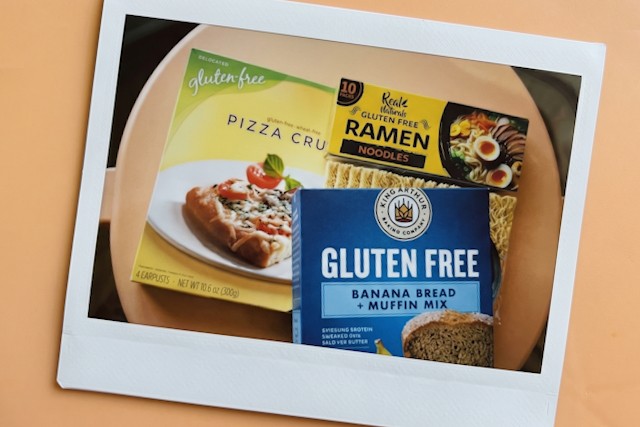
Unless you have celiac disease or a medically diagnosed sensitivity, gluten-free products probably won’t offer any special benefits.
They’re often more expensive, and many naturally gluten-free foods are already sitting in your kitchen:
- Fruits
- Vegetables
- Meat
- Fish
- Eggs
- Nuts
- Rice
- Milk
- Most cheeses
- Plain yogurt
You don’t need specialty products to avoid gluten.
Verdict: Mostly a marketing myth.
Myth #4: A Gluten-Free Diet Is Automatically Healthier
For people with celiac disease, avoiding gluten is essential.
For everyone else, going gluten-free doesn’t automatically mean eating healthier. Many foods that contain gluten, especially whole grains, provide valuable fiber, vitamins, and minerals.
Some gluten-free processed foods may actually contain more sugar, fat, and additives than their regular versions.
Verdict: It depends.
Myth #5: Cutting Out Gluten Helps You Lose Weight
Many people lose weight after going gluten-free, but gluten usually isn’t the reason.
When people eliminate gluten, they often eat fewer pastries, fast foods, and processed snacks while choosing more fruits, vegetables, and lean proteins.
The healthier diet causes the weight loss — not the absence of gluten.
Verdict: Misleading.
Myth #6: Avoiding Gluten Improves Digestion for Everyone
People with celiac disease often feel much better after removing gluten from their diets.
Some people with IBS may benefit as well.
But for most healthy individuals, there is little evidence that avoiding gluten improves digestion.
Verdict: True for some, not for most.
Myth #7: Going Gluten-Free Gives You More Energy

Many gluten-free enthusiasts claim they feel more energetic after eliminating gluten.
The problem? Research generally doesn’t support this idea for healthy people.
If energy levels improve, it’s often because people are eating fewer highly processed foods and more nutrient-rich meals.
Verdict: Mostly false.
Myth #8: Gluten Causes Cancer
This claim often appears in fear-based advertising.
For people with untreated celiac disease, continuing to consume gluten may increase the risk of certain serious health complications. But that doesn’t mean gluten is dangerous for everyone.
There is no convincing evidence that gluten itself causes cancer in healthy individuals.
Verdict: False for most people.
Myth #9: You Need Gluten-Free Soap, Shampoo, and Cosmetics

The gluten-free trend has expanded far beyond food.
Today you can buy gluten-free shampoos, makeup, soaps, and even household products.
But gluten isn’t absorbed through healthy skin. People with celiac disease react when they eat gluten — not when they touch it.
The only products that may deserve extra attention are those that could accidentally be swallowed, such as lipstick or toothpaste.
Verdict: Mostly unnecessary.
Myth #10: Completely Eliminating Gluten Is Easy
It sounds simple, but it’s often more difficult than people expect.
Tiny amounts of gluten can appear through cross-contamination during manufacturing, transportation, or food preparation. Even many gluten-free products may contain trace amounts that fall within legally accepted limits.
For people with celiac disease, staying completely gluten-free requires constant attention.
Verdict: Much harder than it sounds.