
Spiders. Heights. Darkness. Deep water. Tight spaces. We all have something that makes our heart race and our palms sweat. Some fears disappear with time, while others stay with us for years.
But why are we afraid in the first place? Why does the brain react so strongly to certain things? And where do panic and phobias come from? AdmiGram.com gathered everything you need to know about fear — and why it might not be your enemy after all.
The Psychology of Fear: Why We’re Afraid
Why Do We Feel Fear?
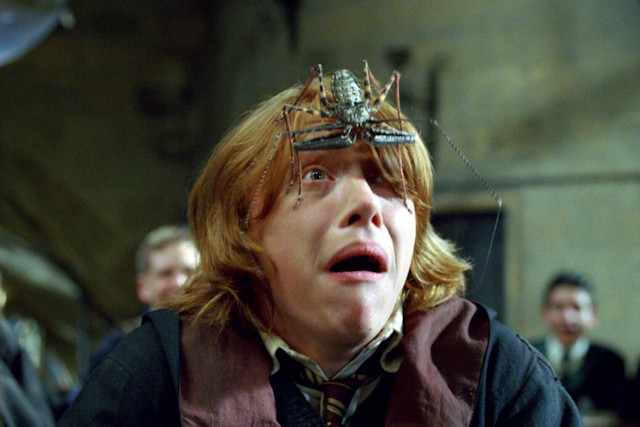
© Harry Potter and the Goblet of Fire / Warner Bros. Pictures, Heyday Films
Psychologists describe fear as a natural emotional response to danger — whether the threat is real or only perceived.
When we’re afraid, the body immediately switches into survival mode. Our heart beats faster, muscles tense up, and the brain starts searching for ways to stay safe.
Fear can bring different feelings, including:
- uncertainty
- vulnerability
- anxiety
- panic
- a strong sense of danger
Although fear often feels unpleasant, it exists for an important reason: survival.
For example, fear of pain may stop someone from doing something risky and prevent injury.
At the same time, long-lasting fear can become harmful and affect everyday life.
Types of Fear

© Pirates of the Caribbean: Dead Man’s Chest / Walt Disney Pictures, Jerry Bruckheimer Films
Psychologists usually divide fear into several forms:
- Fright — a short and sudden reaction to danger.
- Horror — a stronger emotional response that lasts longer.
- Panic — prolonged fear that may become overwhelming and difficult to control.
If panic becomes persistent, it can sometimes develop into a phobia.
Fear vs. Phobia: What’s the Difference?

© Scary Movie 3 / Brad Grey Pictures, Dimension Films
People often confuse fear and phobia, but they are not exactly the same thing.
Fear is a normal reaction.
A phobia is an intense and often irrational fear linked to a specific object or situation.
For example:
- fear of spiders — arachnophobia
- fear of enclosed spaces — claustrophobia
- fear of open spaces — agoraphobia
Phobias usually don’t appear overnight.
They often develop after unpleasant experiences, emotional stress, or repeated negative associations.
Over time, the brain starts marking certain things as dangerous — even when they aren’t.
Why Do Phobias Grow Stronger?
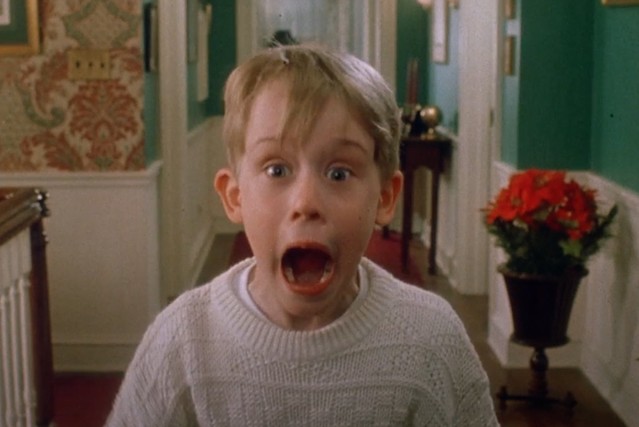
© Home Alone / Hughes Entertainment, 20th Century Fox
Phobias tend to expand.
Someone who fears spiders may eventually become uncomfortable around insects, fuzzy objects, or even shapes that remind them of spiders.
Because of this, people often begin avoiding situations connected to their fear.
The problem is that avoidance can strengthen the phobia instead of reducing it.
Can Fear Disappear?
The first step is recognizing it.
Many psychologists believe that understanding your fear is already part of overcoming it.
Fear itself is not always the enemy.
In many situations, it protects us.
But when fear begins controlling everyday life, it may be time to face it gradually and seek support if needed.
Sometimes understanding what scares us is the very thing that makes fear smaller.
Here are some phobias for your consideration

© Ace Ventura: Pet Detective / Morgan Creek Productions, Warner Bros.
Ablutophobia – fear of taking a bath.
Achluophobia – fear of darkness.
Acrophobia – fear of heights.
Agoraphobia – fear of open spaces or crowds.
Ailurophobia – fear of cats.
Anthrophobia – fear of flowers (vegetation).
Anthropophobia – fear of people or society.
Arachnophobia – fear of spiders.
Autophobia – fear of being alone.
Bathmophobia – fear of stairs and steep slopes.
Botanophobia – fear of plants.
Chionophobia – fear of snow.
Chromophobia – fear of colors.
Claustrophobia – fear of confined spaces.
Cynophobia – fear of dogs.
Dentophobia – fear of dentists.
Entomophobia – fear of insects.
Entomophobia – fear of insects.
Ephebiphobia – fear of teenagers.
Gamophobia – fear of marriage.
Glossophobia – fear of public speaking.
Gynophobia – fear of women.
Hemophobia – fear of blood.
Hexakosioihexekontahexaphobia – fear of the number “666.”
Hydrophobia – fear of water.
Iatrophobia – fear of doctors.
Lilapsophobia – fear of tornadoes and hurricanes.
Locaiophobia – fear of childbirth.
Micophobia – fear of small things.
Mysophobia – fear of dirt and germs.
Necrophobia – fear of death and things associated with death.
Noctiphobia – fear of the night.
Nomophobia – fear of not receiving phone calls.
Obesophobia – fear of gaining weight.
Philophobia – fear of love.
Phobophobia – fear of phobias.
Pteromerhanophobia – fear of flying.
Scolionophobia – fear of school.
Socialphobia – fear of social evaluation.
Somniphobia – fear of falling asleep.
Tachophobia – fear of speed.
Tonitrophobia – fear of thunder.
Vermiphobia – fear of germs.
Xenophobia – fear of strangers or foreigners.
Zoophobia – fear of animals.
image on top: Monsters, Inc. / Walt Disney Pictures, Pixar Animation Studios


