Some places on Earth look so unreal that they seem to belong on another planet. Surprisingly, many travelers have never even heard of them.
From giant craters and glowing caves to mysterious mountains and stone forests, these incredible destinations prove that our planet is far more extraordinary than we often imagine.
AdmiGram.com has gathered some of the most fascinating places on Earth that look like scenes from a science-fiction movie.
The Most Extraordinary Places on Earth
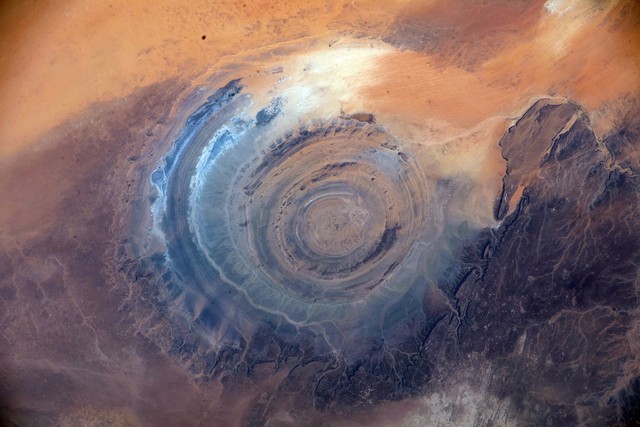
Eye of the Sahara (Mauritania)
© NASA Johnson / Flickr
Known as the “Eye of the Sahara,” the Richat Structure is one of the most mysterious formations on Earth. Located in the Sahara Desert, this giant circular landmark stretches about 28 miles (45 km) across and is so large that it can be seen from space.
For many years, scientists believed it was created by an asteroid impact. Today, most experts think it is a heavily eroded geological dome, although its unusual appearance still fascinates visitors.
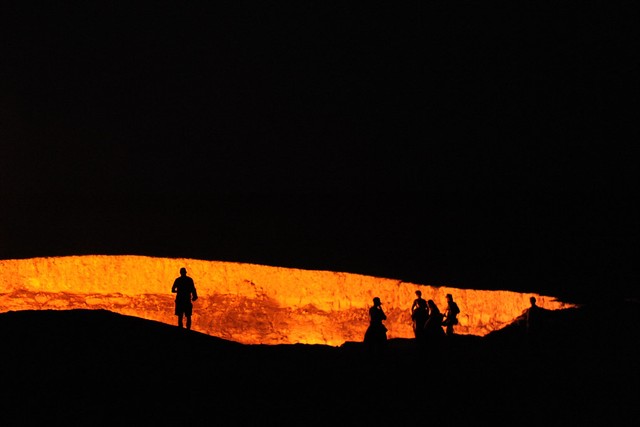
Darvaza Gas Crater (Turkmenistan)
© Tormod Sandtorv / Flickr
Nicknamed the “Gateway to Hell,” this fiery crater has been burning continuously for decades.
The crater formed when Soviet geologists accidentally exposed a large underground gas pocket. To prevent dangerous gases from spreading, they set it on fire, expecting the flames to die out within weeks. Instead, the fire is still burning today.
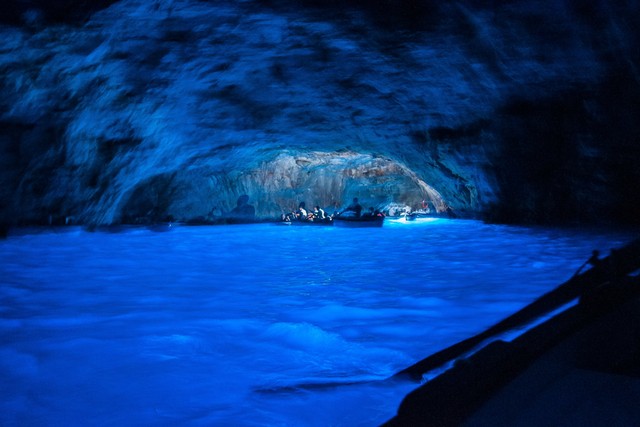
Blue Grotto (Italy)
© Chris Bertram / Flickr
Located on the island of Capri, the Blue Grotto is one of the most beautiful sea caves in the world.
Sunlight enters through an underwater opening, creating a magical blue glow that lights up the entire cave. The sight is so stunning that it has become one of Capri’s most popular attractions.
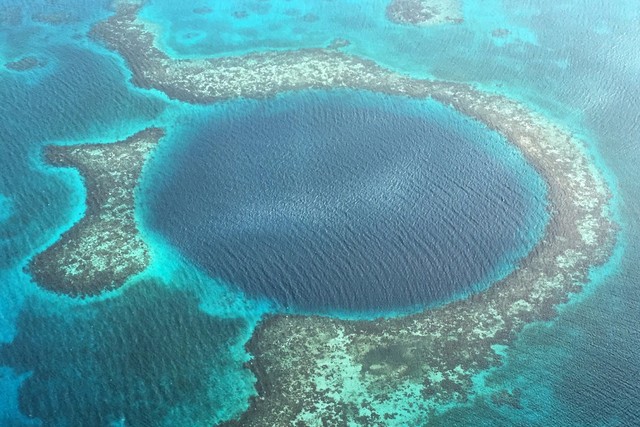
Great Blue Hole (Belize)
© Jeremy Shesharam/ Flickr
Off the coast of Belize lies a giant underwater sinkhole known as the Great Blue Hole.
Surrounded by coral reefs and marine life, this natural wonder attracts divers from around the world. Its perfectly circular shape and deep blue waters make it one of the most recognizable diving sites on the planet.
Antelope Canyon (Arizona, USA)
© Leon Liu / Unsplash
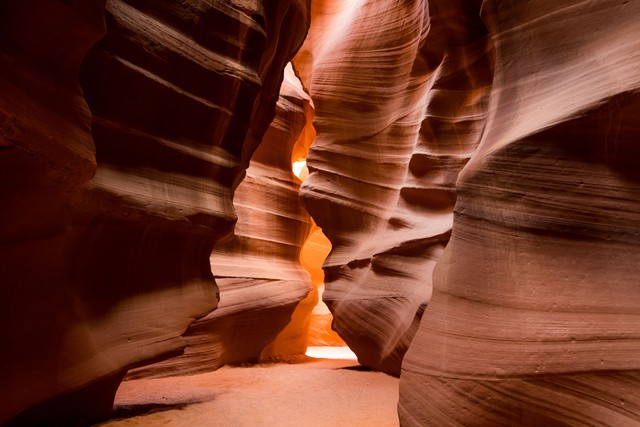
Antelope Canyon looks like a work of art created by nature.
Over thousands of years, flash floods carved smooth curves and narrow passageways into the sandstone. When sunlight shines through the canyon, the walls glow with shades of orange, red, and gold.
Jeita Grotto (Lebanon)
© Kharawala D’Silva/ Flickr
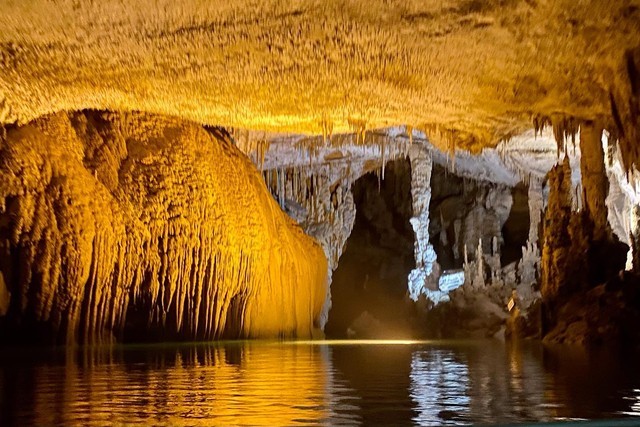
Just outside Beirut lies Jeita Grotto, a spectacular network of limestone caves filled with enormous stalactites and underground chambers.
One of its most impressive features is a giant stalactite measuring more than 26 feet (8 m) long, making it one of the largest known stalactites in the world.
Mount Roraima (Venezuela)
© Sharosh Ungaro/ Flickr
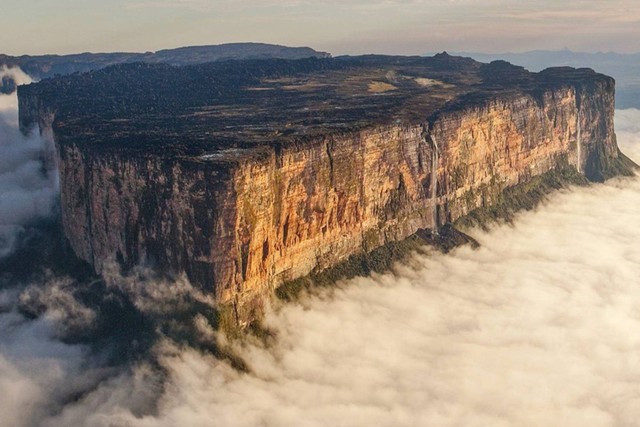
Rising above the clouds, Mount Roraima looks like something from a fantasy novel.
This flat-topped mountain sits where Venezuela, Brazil, and Guyana meet. Its towering cliffs, frequent mist, and isolated ecosystem have inspired explorers and writers for generations.
Diamond Head (Hawaii, USA)
© Tom Gainor/ Unsplash
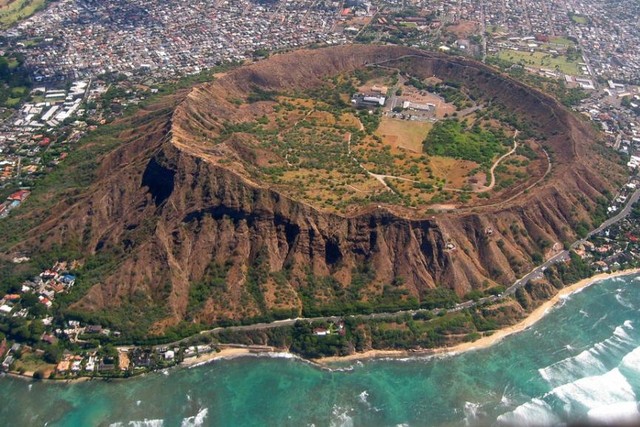
One of Hawaii’s most famous landmarks, Diamond Head is a massive volcanic crater located on the island of Oahu.
Formed around 300,000 years ago during a single volcanic eruption, this extinct crater rises above the coastline and offers breathtaking views of the Pacific Ocean and Honolulu. Early British sailors mistakenly believed the sparkling crystals found on its slopes were diamonds, giving the crater its famous name.
Today, Diamond Head is one of Hawaii’s most visited natural attractions, drawing hikers from around the world.
Valley of the Moon (Argentina)
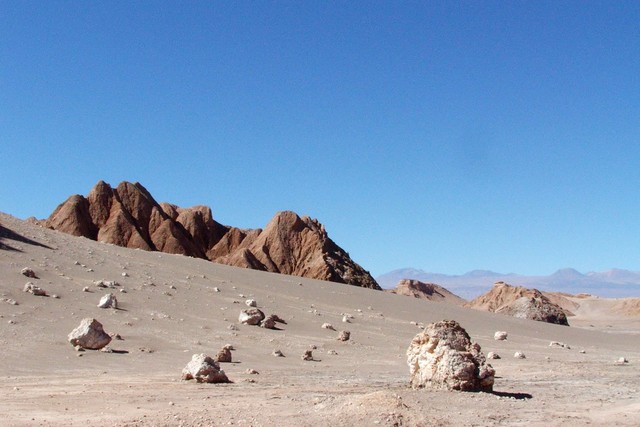
© David Boardman / Flickr
The Valley of the Moon, officially known as Ischigualasto Provincial Park, is famous for its strange rock formations and ancient fossils.
Its barren landscape closely resembles the surface of the Moon, while dinosaur remains discovered here date back more than 230 million years.
Zhangjiajie Stone Pillars (China)

© Hodji So / Flickr
Hidden within Zhangjiajie National Forest Park in China’s Hunan Province, thousands of towering sandstone pillars create one of the most surreal landscapes on Earth.
Some of these natural rock columns rise more than 650 feet (200 meters) above the forest floor, appearing to float through the mist that often surrounds them. Formed over millions of years by erosion, the pillars inspired the floating mountains seen in the movie Avatar.
With its dramatic cliffs, lush vegetation, and otherworldly scenery, Zhangjiajie feels more like an alien planet than a place on Earth.
image on top: Roderick Eime / Flickr