Reading is one of the most valuable skills a child can learn. It helps kids explore the world, build confidence, succeed in school, and develop a lifelong love of learning.
While children will eventually learn to read in school, many parents choose to introduce reading at home first. And you don’t need fancy learning programs or special training to make a real difference.
At AdmiGram.com, we’ve gathered 10 simple tips that can make learning to read easier and more enjoyable for both parents and kids.
Secrets of Teaching Reading: Your Child Is Ready for Harvard!
1. Introduce Letters Through Words

© Josh Applegate / Unsplash
When your child starts noticing letters, don’t show them in isolation. Point them out in familiar words like their name, “Mom,” “Dad,” or favorite foods.
This helps children understand that letters work together to create words and meaning.
2. Don’t Force It
Not every child becomes interested in reading at the same age. If your preschooler isn’t excited about letters yet, that’s okay.
Keep lessons short and fun. Five minutes of positive practice is far more effective than a long session that feels like a chore.
3. Move From Letter Sounds to Blends
Once your child recognizes letters, begin showing how their sounds blend together.
Instead of focusing on letter names, practice their phonetic sounds.
For example, help them hear how the sounds /m/ and /ɒ/ blend together to make “mo.”
Saying or singing the sounds slowly makes blending easier to understand.
4. Start Small
© Susan Holt Simpson / Unsplash
Avoid introducing too much information at once.
Focus on just a few letters or simple sound combinations before adding new ones. Small victories help build confidence and keep kids motivated.
5. Use Learning Tools
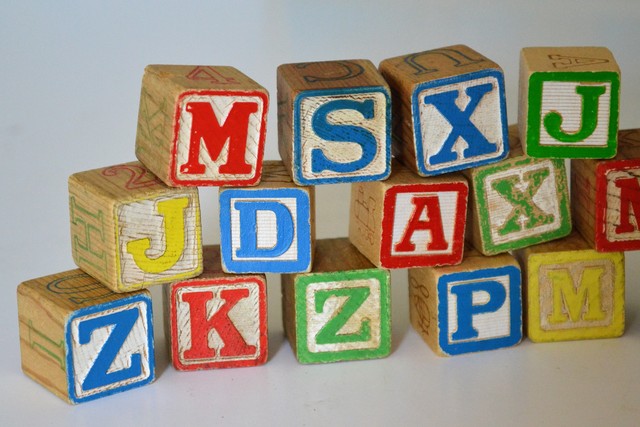
Letter magnets, flashcards, alphabet puzzles, and reading cubes can make learning more engaging.
Many children learn faster when they can see, touch, and play with letters while practicing.
6. Make Sure Reading Has Meaning
Once your child begins sounding out words, help them connect those words to real-life objects and ideas.
For example, after reading the word “Mommy,” ask them who Mommy is or point to a picture. Understanding is just as important as decoding words.
7. Practice Regularly
© Element5 Digital / Unsplash
Consistency matters more than long lessons.
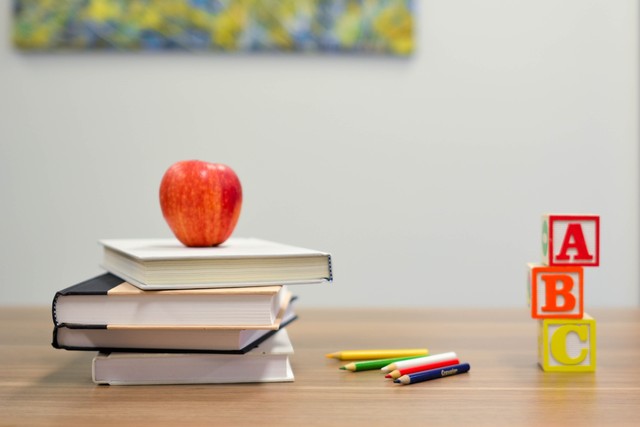
A short 10- to 15-minute reading session each day can help children make steady progress without becoming overwhelmed.
8. Don’t Overload Your Child
Choose age-appropriate books and learning materials.
It’s perfectly fine to spend time reviewing the same words or sounds. Repetition helps young readers gain confidence and remember what they’ve learned.
9. Celebrate Every Success
Praise your child for their effort and progress, even when they’re still learning.
A simple “Great job!” or “I’m proud of you!” can boost motivation and make reading feel rewarding.
10. Expose Them to Different Fonts and Formats

© Paul Hanaoka / Unsplash
Children can become comfortable with one style of lettering and struggle when they see a different one.
Try handwritten notes, magnetic letters, storybooks, signs, and labels around the house. The more variety they see, the more confident they’ll become.
One Final Tip for Parents
Teaching a child to read takes patience.
If you start feeling frustrated, take a short break. Children learn best when they feel relaxed, supported, and encouraged.
Remember: if your child isn’t understanding something yet, it doesn’t mean they’re incapable of learning it. They may simply need more time, more practice, or a different approach.
Learning to read is a journey made up of small steps. Just as children learn to walk one step at a time, they learn to read one word at a time. With patience, encouragement, and consistency, they’ll get there.
image on top: Stephen Andrews / Unsplash