
Winter should be cozy — not a constant battle against chilly rooms and high heating bills. The good news is that you don’t always need an expensive renovation to make your home feel warmer. A few simple upgrades can help keep the heat inside where it belongs.
Home insulation experts shared their best tips with AdmiGram.com. Here’s how to stop heat from escaping and make your home much more comfortable during the coldest months of the year.
Insulating Your Home: Eliminating the Cold
Find Out Where Heat Is Escaping

Before spending money on insulation, figure out where the problem actually is.
A professional home inspection with a thermal camera can reveal cold spots, hidden drafts, poorly insulated walls, and heating system issues. While the inspection costs money, it can save you from paying for repairs you don’t really need — like replacing perfectly good windows.
Knowing exactly where your home loses heat makes every improvement much more effective.
Make Your Heating System Work Smarter

© Alex Perz / Unsplash
Sometimes small changes can make a big difference.
One inexpensive trick is installing reflective insulation panels behind your radiators. Instead of allowing heat to disappear into exterior walls, these panels reflect it back into the room.
If your home still feels cold, your radiators may simply be too small for the space. Upgrading to larger radiators — or adding additional sections — can dramatically improve heating efficiency.
Stop Heat From Escaping Through Your Windows

© Merve Selcuk Simsek / Unsplash
Windows are responsible for a surprising amount of heat loss. In many homes, they account for up to 25% of the warm air that escapes.
Start with the easy fixes:
- Replace worn weatherstripping.
- Seal small air leaks around the frame.
- Repair damaged glass if necessary.
If your windows are old, upgrading to modern energy-efficient windows with Low-E (low-emissivity) glass can significantly improve insulation while lowering your heating bills.
Just as important as the window itself is proper installation. Even the highest-quality window won’t perform well if it’s installed incorrectly.
Don’t Ignore the Balcony or Sunroom

If your home has a balcony, enclosed porch, or sunroom, it could be allowing cold air to spread into the rest of the house.
Enclosing and insulating these spaces helps create an extra buffer between your living area and the outdoors.
If you plan to use the space year-round as a home office or reading room, consider adding a quiet electric space heater designed for indoor use.
Seal Gaps Around Walls, Doors, and Windows

© Toa Heftiba / Unsplash
Tiny cracks can let in a surprising amount of cold air.
Walk around your home and check for:
- gaps around windows
- cracks near door frames
- openings around baseboards
- spaces where pipes or cables enter the house
Small cracks can usually be sealed with caulk, while larger openings may require expanding spray foam.
Stopping drafts is one of the cheapest ways to make your home feel warmer.
Add Extra Insulation to Cold Walls
© Erik Mclean / Unsplash
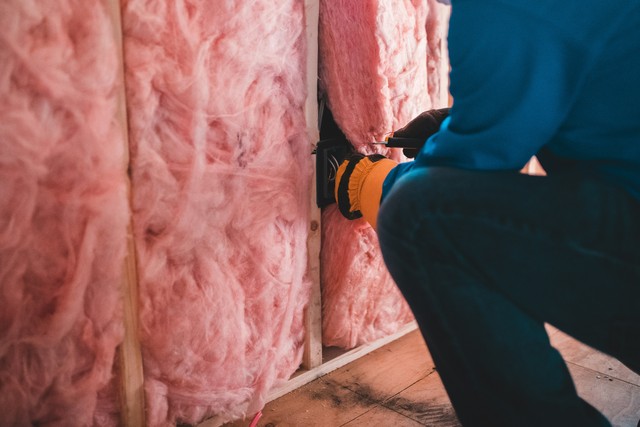
If one wall always feels icy during winter, it may not have enough insulation.
This is especially common in corner rooms or apartments located on the top or ground floor.
Depending on your home, adding insulation inside the wall or installing insulated wall panels can noticeably improve comfort while reducing heating costs.
Think Long-Term
© Tracy Adams / Unsplash
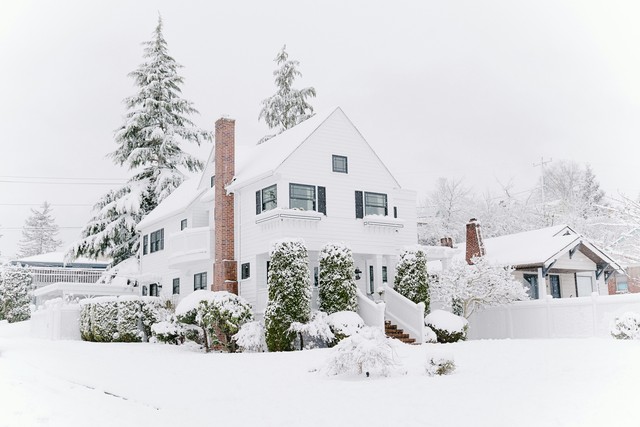
Quick fixes can certainly help, but if your home consistently loses heat, investing in better insulation will pay off over time.
Improving wall insulation, replacing outdated windows, sealing air leaks, and upgrading your heating system all work together to keep your home warmer while reducing energy bills year after year.
Stay Warm Without Wasting Energy
Keeping your home comfortable during winter doesn’t always require major renovations. In many cases, a combination of small improvements — sealing drafts, improving insulation, and making your heating system more efficient — can noticeably increase indoor comfort while lowering your monthly energy costs.
A warmer home isn’t just more comfortable — it can also save you money all winter long.
image on top: Nachelle Nocom / Unsplash


