
Every day, we scroll through dozens of headlines, social media posts, videos, and breaking news alerts.
Most of us like to think we can easily tell what’s true and what’s fake. Unfortunately, misinformation is often designed to look convincing. Sometimes even smart, careful people get fooled.
That’s why it’s important to know how fake news works — and how to protect yourself from it. It’s also worth sharing these tips with kids, teenagers, and older family members, who are often the easiest targets.
Here are a few simple ways from AdmiGram.com to separate facts from fiction.
How to Protect Yourself From Fake News
What Exactly Is Fake News?

© Levi Stute / Unsplash
Fake news is false or misleading information presented as real news.
Sometimes it’s created to make money through clicks and views. Other times it’s designed to influence opinions, spread fear, or manipulate public perception.
Fake news isn’t a new invention. Sensational stories have existed for centuries. The difference today is speed. Thanks to the internet and social media, false information can spread around the world in minutes.
The result? We waste time, become confused, and sometimes end up believing things that simply aren’t true.
Real News Usually Focuses on Facts

© Kenny Eliason / Unsplash
Good journalism is built on facts.
Reliable news stories explain:
- What happened
- When it happened
- Where it happened
- Who was involved
- Why it matters
The goal is to inform you — not to provoke an emotional reaction.
If a headline seems designed to make you angry, scared, shocked, or outraged before you’ve even read the article, that’s often a warning sign.
The more sensational the story feels, the more carefully you should examine it.
Use Your Critical Thinking Skills
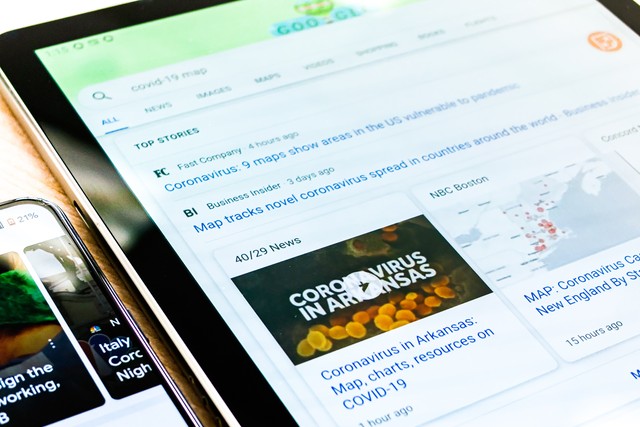
© Obi – @pixel8propix / Unsplash
One of the best defenses against fake news is simple skepticism.
When you see a surprising claim, ask yourself:
- Does this make sense?
- Is there evidence?
- Can other trusted sources confirm it?
- Who benefits if people believe this?
Reliable news organizations usually provide sources, data, quotes, documents, or eyewitness accounts that support their claims.
If something feels suspicious, take a few minutes to verify it before sharing it with others.
Be Selective About Where You Get Your News

© Ariana Tafur / Unsplash
Not all information sources are created equal.
Many websites compete for clicks and attention, which means some prioritize drama over accuracy.
Instead of getting news from random social media posts or questionable websites, stick to a few trusted sources with a reputation for accuracy.
The fewer unreliable sources you follow, the less fake news you’ll encounter.
Learn to Recognize Information Junk Food

© Windows / Unsplash
Just as junk food fills your stomach without providing much nutrition, some content fills your time without providing useful information.
Helpful information usually:
- Answers questions
- Provides facts
- Explains events clearly
- Helps you understand a topic better
Information junk food does the opposite.
It often relies on endless speculation, emotional arguments, shocking claims, and attention-grabbing headlines while offering very little substance.
If a piece of content leaves you feeling emotional but not informed, that’s a clue.
Don’t Fall for Clickbait

You’ve probably seen headlines like:
- “You Won’t Believe What Happened Next!”
- “This One Trick Changed Everything!”
- “Doctors Hate This Simple Secret!”
These headlines are designed to trigger curiosity and get clicks.
This tactic is known as clickbait.
The goal isn’t necessarily to inform you. The goal is to keep you scrolling, clicking, and watching.
Before opening a sensational article, ask yourself whether the headline is offering real information — or simply trying to get your attention.
image on top: Fran Jacquier / Unsplash


