When most people think of Ancient Egypt, they picture pyramids, pharaohs, and cats. But this legendary civilization was far more advanced than many people realize.
Long before Rome became a great empire, the Egyptians had built an organized government, sophisticated farming systems, and remarkable engineering and mathematical knowledge.
Even today, historians continue to uncover surprising discoveries about this incredible civilization.
The team at AdmiGram.com dug deep into historical sources to bring you 10 fascinating facts about Ancient Egypt that you probably haven’t heard before.
10 Amazing Ancient Egypt Facts You Never Knew
Women Had Surprisingly Strong Rights
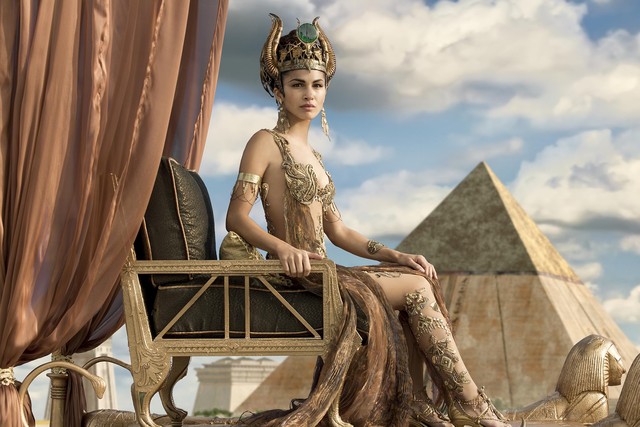
© Gods of Egypt / Summit Entertainment
Compared to many other ancient civilizations, Egyptian women enjoyed remarkable legal rights.
They could own property, buy and sell land, sign contracts, inherit wealth, file lawsuits, divorce their husbands, and remarry if they wished. Married couples often signed agreements listing the bride’s property, which remained legally hers if the marriage ended.
Although men usually held most public offices, women who worked could receive pay similar to men performing the same jobs.
They Used Mold to Treat Infections
Thousands of years before modern antibiotics were discovered, Egyptian healers noticed that moldy bread could help infected wounds heal.
Around 4,000 years ago, they placed mold-covered bread on cuts and sores. While they didn’t know about bacteria, some molds naturally produce substances similar to penicillin, making this one of history’s earliest forms of antibacterial treatment.
Their Government Was Surprisingly Advanced
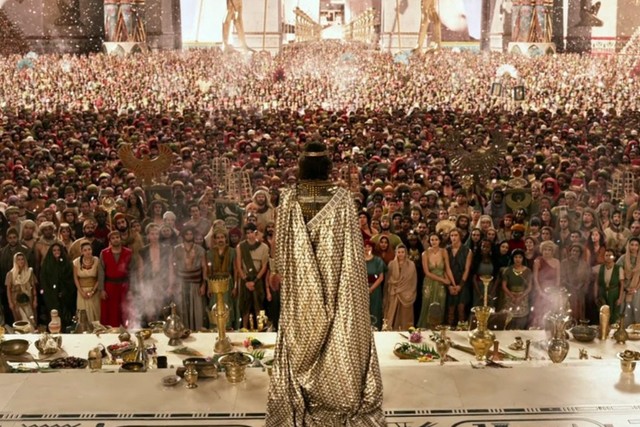
© Gods of Egypt / Summit Entertainment
Ancient Egypt had one of the most organized governments of the ancient world.
The country was divided into provinces called nomes, each governed by an official known as a nomarch. Detailed records were kept on papyrus, allowing officials to track taxes, harvests, land ownership, and population.
The government collected grain taxes from wealthy landowners while also distributing food during difficult times, creating one of history’s earliest large administrative systems.
They Had Something Like a Police Force
Egypt didn’t have police departments like we do today, but it had soldiers who performed many of the same duties.
These forces protected cities, guarded temples, investigated crimes, kept public order, and collected taxes for the pharaoh.
Board Games Were One of Their Favorite Hobbies
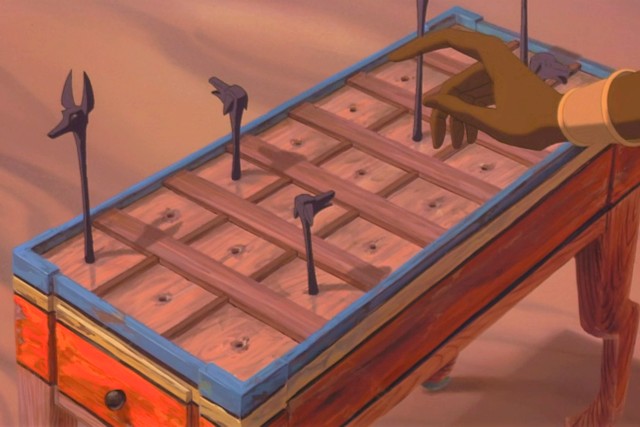
© The Prince of Egypt / DreamWorks Pictures
After work, many Egyptians relaxed by playing board games.
Popular games included Senet, Mehen, and Dogs and Jackals. Senet, first played around 3500 BC, became especially famous. Players moved pieces across a board of 30 squares using sticks or dice-like objects.
The exact rules remain unknown, but archaeologists have discovered Senet boards in royal tombs, including that of Tutankhamun, and paintings even show Queen Nefertari enjoying the game.
Young Children Usually Didn’t Wear Clothes
Because Egypt’s climate was hot throughout most of the year, young children typically wore no clothing at all until they reached adolescence.
Adults, however, usually wore lightweight linen garments such as kilts, skirts, or dresses that helped them stay cool in the desert heat.
Workers Organized One of History’s First Strikes
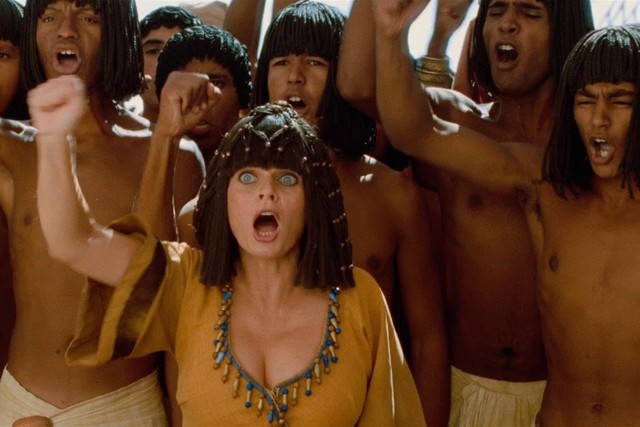
© Astérix & Obélix: Mission Cléopâtre / CNC
Believe it or not, one of the earliest recorded labor strikes happened in Ancient Egypt.
Around the 12th century BC, during the reign of Pharaoh Ramesses III, workers building the royal tombs at Deir el-Medina stopped working after their grain wages weren’t delivered.
Instead of returning to work, they staged a peaceful sit-in outside a nearby temple until officials met their demands. Eventually, they received their overdue food rations.
They Used Three Different Calendars
Ancient Egyptians didn’t rely on just one calendar.
They used:
- a 365-day civil calendar for government and farming,
- an astronomical calendar based largely on the rising of the star Sirius, and
- a lunar calendar for religious festivals and ceremonies.
This system helped organize agriculture, religion, and daily life with remarkable accuracy.
Cleopatra Wasn’t Ethnically Egyptian
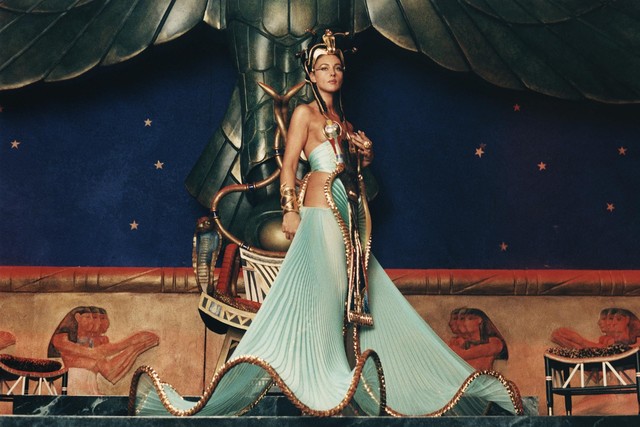
© Astérix & Obélix: Mission Cléopâtre / CNC
One of history’s most famous queens wasn’t actually Egyptian by ancestry.
Cleopatra VII belonged to the Greek-speaking Ptolemaic dynasty, founded by Ptolemy I, one of Alexander the Great’s generals after his death.
What made Cleopatra unusual was that she became one of the very few rulers in her family who learned the Egyptian language, helping her connect with the people she ruled.
Makeup Was About More Than Beauty
Ancient Egyptians believed cosmetics offered both beauty and protection.
Men and women lined their eyes with black kohl, made from minerals such as galena, while green eye makeup often came from crushed malachite. They believed these cosmetics protected them from the evil eye and honored gods like Horus and Ra.
Cosmetics were stored in beautifully crafted containers made from wood, stone, or ivory, many of which still survive today.
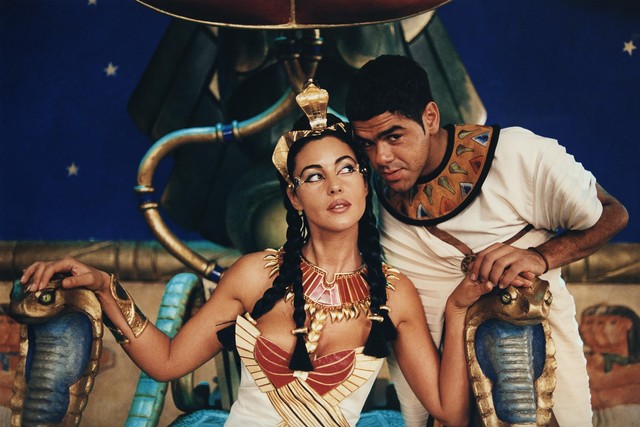
image on top: Astérix & Obélix: Mission Cléopâtre / CNC