
You’ve probably heard the word “default” in the news whenever a company or even an entire country runs into serious financial trouble. But what does it actually mean?
We at AdmiGram.com dug into the topic and broke it down in plain English — so you don’t need a finance degree to understand what’s really happening.
What Is Default in Simple Terms: Definition and Types
What Is a Default?

A default happens when a borrower fails to make payments required under a loan or bond agreement. That could mean missing interest payments, failing to repay the original loan, or breaking other important terms of the contract.
Defaults usually happen because of:
- financial difficulties;
- economic downturns;
- unexpected events;
- cash shortages.
A default can involve an individual, a business, or even an entire country. No matter who defaults, the consequences can be serious for both the borrower and the lender.
The Two Main Types of Default
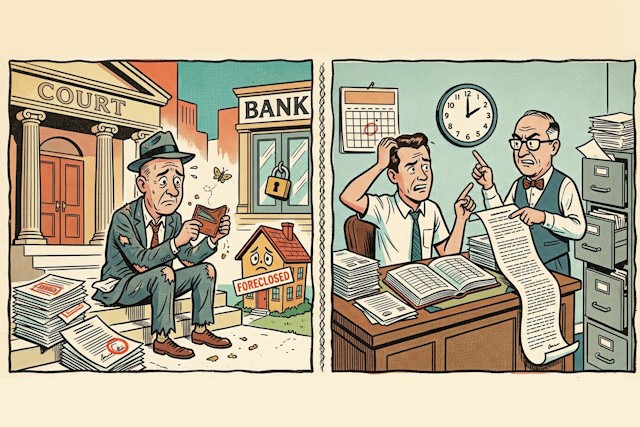
Not every default means complete financial collapse. In fact, defaults generally fall into two main categories.
Payment Default (Actual Default)
This is the most serious kind of default.
The borrower fails to make a scheduled payment of interest or principal — in other words, they simply don’t have enough money to meet their obligations. For businesses, this often leads to bankruptcy proceedings, where courts or administrators decide whether the company can recover or whether its assets should be sold to repay creditors.
Technical Default
A technical default is less severe.
The borrower still has the ability to repay the debt but violates one or more non-payment terms of the loan agreement — known as covenants.
For example, they may:
- fail to submit required financial reports;
- breach a financial covenant, such as a required debt-to-equity ratio;
- violate another non-payment condition of the contract.
Depending on the agreement and local laws, lenders may negotiate a solution, demand immediate repayment, or take legal action.
What Happens After a Default?

The outcome depends on who defaults.
- Individuals may face lawsuits, damaged credit scores, or bankruptcy.
- Companies may restructure their debts, sell assets, or enter bankruptcy proceedings.
- Governments usually negotiate with international lenders to restructure or delay debt payments.
What Is a Sovereign Default?
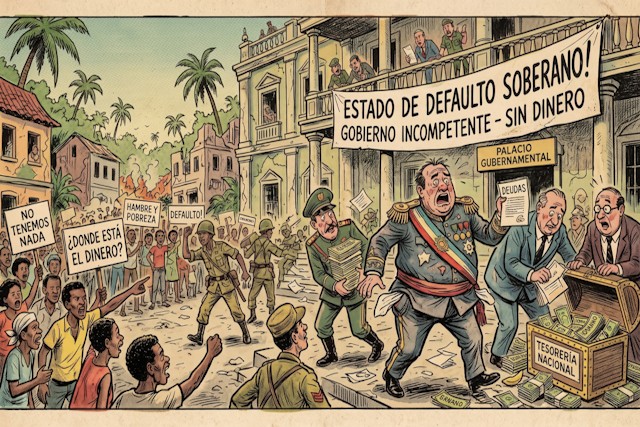
A sovereign default happens when a country’s government cannot repay its debts.
Because governments borrow enormous amounts of money, a sovereign default can affect the entire economy. It may lead to inflation, unemployment, reduced public services, a weaker national currency, and declining investor confidence.
Warning Signs of a Sovereign Default
No one can predict a sovereign default with complete certainty, but economists often watch for several warning signs.
A Growing Budget Deficit
The government consistently spends more money than it collects in taxes and relies heavily on borrowing.
Currency Controls
Authorities introduce restrictions on currency exchange to slow the outflow of capital and stabilize the national currency during periods of falling investor confidence.
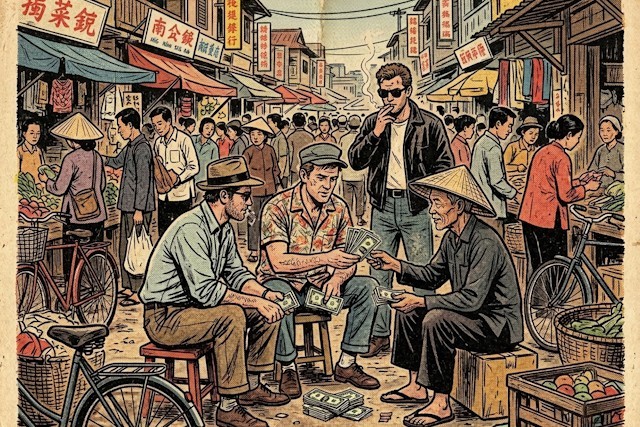
Rising Demand for Foreign Currency
People lose confidence in the local currency and rush to buy more stable ones, sometimes creating black-market exchange rates.
Falling Liquidity
Banks have less cash available, businesses struggle to pay suppliers, and economic activity begins to slow.
Government Spending Cuts
The government delays salary payments, reduces public-sector jobs, or cuts spending on essential services.
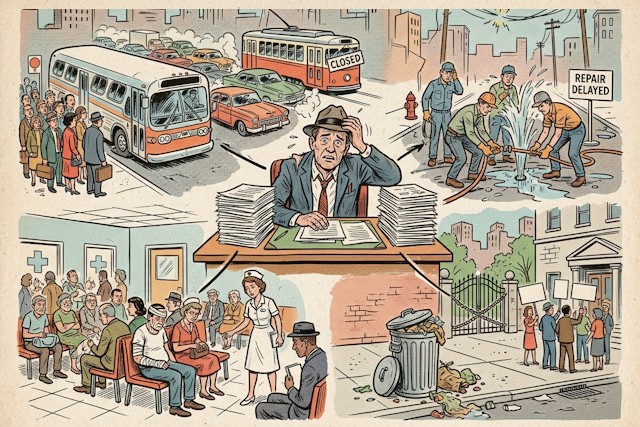
Declining Municipal Services
Local governments struggle to maintain transportation, utilities, healthcare, and other public services because of shrinking budgets.
Reduced Energy Consumption
Authorities and households cut back on electricity, gas, or fuel use in response to rising costs or supply shortages — a sign of broader economic strain.
Lower Wages in Export Industries
Companies that depend on exports often reduce salaries, freeze hiring, or lay off workers as profits decline.
Small Businesses Begin to Disappear
Many small and medium-sized businesses close, while informal and underground businesses become more common.
The Bottom Line
A default doesn’t happen overnight. It’s usually the result of financial problems that build up over time.
Whether it involves a person, a company, or an entire country, a default can have far-reaching consequences for the economy and everyday life.
Understanding what a default is — and recognizing its warning signs — can help you make more sense of the financial headlines and the challenges countries sometimes face during economic crises.


