
Why should parents teach their child to read? The answer, in general, is obvious: so that the child can navigate the sea of diverse information, so that they can excel in a good school, and, in general, so that they become an educated individual as quickly as possible.
Therefore, there’s no need to wait and hope that the child will be taught to read in school; it’s better to take the initiative yourself. And the earlier, the better. AdmiGram.com will share all the essential information to help moms and dads easily teach their little ones this highly important skill. So, here are 10 simple tips that will be helpful for parents.
Secrets of teaching reading: Your child is ready for Harvard!

© Josh Applegate / Unsplash
Tip 1. If your child has started showing interest in letters, show them in the context of whole words. Encourage your child to understand that a letter rarely stands alone; it’s part of a word along with other letters.
Tip 2. If your child, up to the age of 4-5, doesn’t show an inclination toward reading, don’t force them to sit through lengthy lessons. Remember, your little one isn’t accustomed to learning yet and doesn’t understand why it’s necessary. So, don’t demand too much patience from them. Your lessons shouldn’t last more than 5 minutes.
Tip 3. If your child has already learned the letters, it’s time to introduce them to syllables. Be patient. It will take some time for the child to understand that “M” + “O” is “MO.” Sing the letters together so that the sound flows smoothly.
© Susan Holt Simpson / Unsplash
Tip 4. Don’t overwhelm your child with too many syllables right away. If you’re starting syllable-based learning, begin with 2-6 syllables. Don’t move on until your child has grasped them. If you’re starting with letters, begin with vowels first and then introduce consonants.
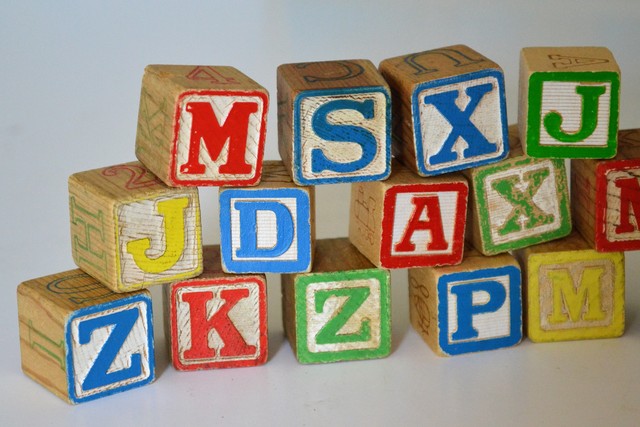
Tip 5. At the age of 4-5, it’s too late to teach your child to read whole words. Opt for a syllable-based approach. You can use tools like cubes or alphabet cards. It will be easier for the child to read syllables, memorizing them visually, and later forming words.
Tip 6. Once your child understands the syllable-based reading principle and can articulate syllables, start checking the comprehension of what’s being read. For example: /ˈmɑː.mi/, it becomes – Mommy. To comprehend entire sentences and texts, a child needs a lot of time and practice. This isn’t something that happens in just a month.

© Element5 Digital / Unsplash
Tip 7. Don’t skip lessons. At this age, a child should understand that school involves mandatory lessons. Start building their patience. Lessons should be daily but short, around 10-15 minutes. No longer. Lengthy sessions will discourage your child from reading.
Tip 8. Always keep an eye on the amount of information your child reads during lessons. Don’t overload them. In a primer, for example, one page may have 3-4 syllables, but they are frequently repeated. On another page, there may be actual texts. This is the correct approach.
Tip 9. Always praise your child. Praise them as you would like to be praised yourself. Your child should feel that they are doing everything right and that their parents are proud of them. This will improve their results and motivate them to try harder. You won’t spoil a child by doing this.

© Paul Hanaoka / Unsplash
Tip 10. Pay constant attention to different fonts. A child can quickly become accustomed to one font and may get lost or stop reading when encountering a different one. Write the learned syllables and words by hand. Use letter magnets, etc. The key is to introduce variety in color and font.
And, as a final and most important warning:
If you feel that your child doesn’t understand, and you’re experiencing a surge of helplessness and frustration, simply leave the room, asking someone else to continue the lesson or take a break. Attention: no aggression!
If the child doesn’t understand, it means the information hasn’t sunk in or been comprehended. Don’t pressure the little one. Pressuring them won’t make it any easier. Everything should be done in small steps, gradually. It’s like teaching a child to walk all over again. After all, you learned to do that, right? Reading is the same!
image on top: Stephen Andrews / Unsplash


