What sport is best for your child? And how do you choose the right team, club, or program?
These are questions millions of parents ask every year. After all, sports aren’t just about burning off energy — they help children grow stronger, build confidence, make friends, and develop healthy habits that can last a lifetime.
Choosing the right sport is a big decision because it affects your child’s physical health, emotional well-being, and even family life. Pediatricians, youth coaches, and child development experts agree on one thing: the best approach is to take your time and make an informed choice.
Instead of relying on guesswork, AdmiGram.com put together this practical checklist to help parents find the best fit.
How to Choose the Best Sport for Your Child
Start With Your Child’s Health

Before signing your child up for any sport, schedule a checkup with your pediatrician.
A physical exam can identify conditions that may require special attention, such as asthma, heart issues, joint problems, vision concerns, or coordination difficulties.
If your child already plays sports regularly, experts recommend an annual sports physical to make sure they’re staying healthy as they grow.
Remember — having a medical condition doesn’t always mean your child can’t play sports. Many organizations now offer adaptive programs or activities designed for children with different abilities.
Ask Yourself — and Your Child — Why You Want to Play Sports

Many parents have good intentions, but not all motivations lead to happy experiences.
Common reasons include:
- “I just want them off their screens.”
- “They need to toughen up.”
- “I want them to become great at soccer because I loved playing.”
The problem is that when parents choose a sport for their own reasons, children often lose motivation.
Instead, ask your child what sounds fun.
Talk together about realistic goals, such as:
- Staying healthy and active
- Learning teamwork
- Building confidence
- Developing discipline
- Making new friends
- Simply enjoying movement
- Competing at a higher level later if they truly want to
Remember, joining a sport means giving up some free time. It should be your child’s journey — not an attempt to fulfill a parent’s childhood dreams.
Choose the Right Program
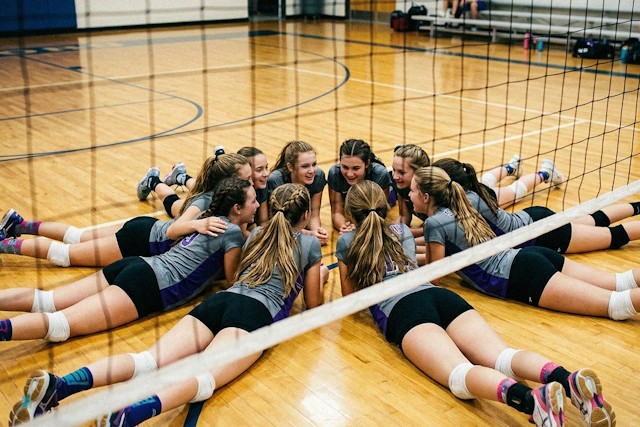
Not every youth sports program has the same goals.
Generally, you’ll find two types:
Competitive Programs
These focus on winning, advanced training, tournaments, and high-level competition. They’re often a great fit for children who are highly motivated and genuinely enjoy competing.
Recreational Programs
Rec leagues, community programs, and developmental clubs focus on skill-building, fitness, teamwork, and having fun. For most children, this is the best place to start.
When comparing programs:
- Talk to other parents.
- Attend a trial class or introductory session if possible.
- Watch how coaches interact with kids.
- Look for positive encouragement, good safety practices, and age-appropriate training.
- Make sure practices leave kids excited — not exhausted.
In the U.S., families often choose between school sports, YMCA programs, parks and recreation leagues, private clubs, and travel teams. Pick the environment that best matches your child’s personality and goals.
Check In Regularly
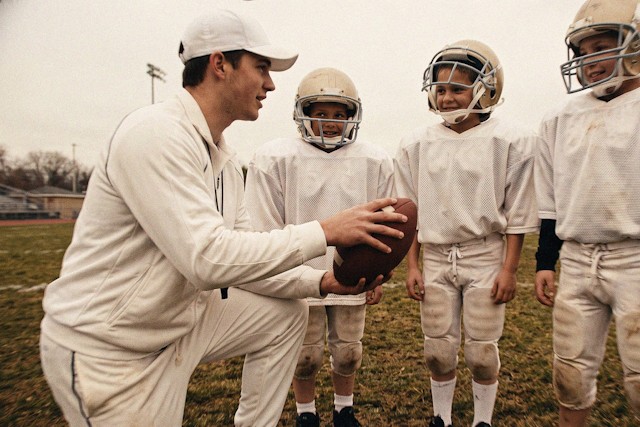
After the first few practices, ask your child how they feel.
Questions like these can tell you a lot:
- Do you enjoy practice?
- Do you like your coach?
- Have you made friends?
- What do you enjoy most?
- Is there anything you don’t like?
After three to six months, you should start noticing positive changes.
Many children become:
- Stronger and more energetic
- Better at focusing in school
- More confident
- Better at handling wins and losses
- More excited about staying active
If your child dreads every practice and isn’t benefiting physically or emotionally, don’t be afraid to try another sport. Finding the right fit sometimes takes time.
Keep These Expert Tips in Mind
Don’t Specialize Too Early
Many pediatric sports experts recommend letting younger children play multiple sports instead of focusing on just one. Playing different sports helps develop overall athletic skills while reducing the risk of overuse injuries and burnout.
Mental Health Matters Too
A great coach teaches much more than athletic skills.
Children should also learn:
- Resilience
- Teamwork
- Respect
- Confidence
- Good sportsmanship
- How to handle both success and disappointment
Those lessons often last much longer than any trophy.
Small Town? No Problem.
Your child doesn’t need to live in a big city to enjoy sports.
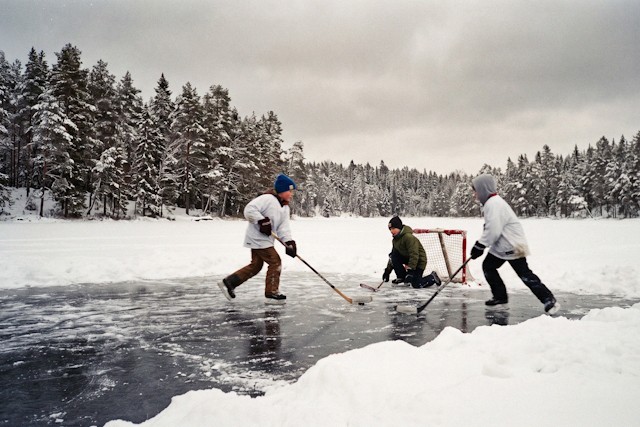
Outdoor activities like biking, running, soccer, hiking, and swimming provide excellent exercise during warmer months. In winter, skating, skiing, climbing gyms, indoor recreation centers, or even family workouts at home can help kids stay active.
The most important thing is consistency — not expensive equipment or elite programs.
The Bottom Line
Many successful athletes didn’t begin as the fastest, strongest, or most naturally gifted kids.
More often, they had supportive parents, encouraging coaches, and a healthy environment that allowed them to grow at their own pace.
When choosing a sport, listen to your child, stay flexible, and remember the real goal isn’t winning medals — it’s raising a healthy, confident, and happy young person.
That’s a victory every parent can celebrate.