
Attention, parents: it’s time to take a deep breath.
At AdmiGram.com, we know how stressful modern parenting can be with endless schedules and constant pressure. But what if the secret to raising happy kids isn’t doing more — it’s doing less?
Child development experts often suggest looking beyond your own culture. Around the world, parents approach childhood differently, offering great ways to make family life much calmer.
Here are 5 bestselling international parenting books that offer fresh perspectives on raising confident children — and staying sane while doing it.
5 Best Parenting Books From Around the World
France: Bringing Up Bébé
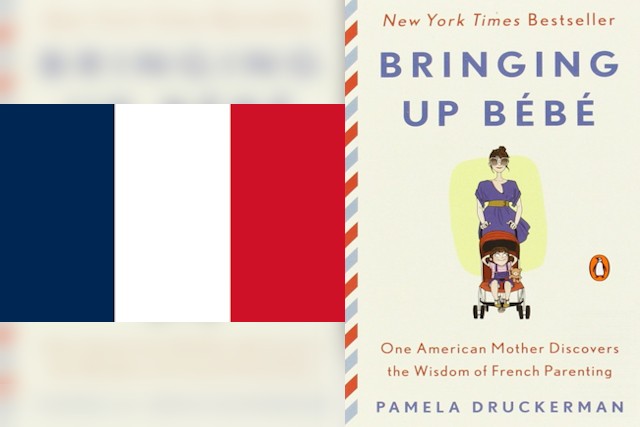
Author: Pamela Druckerman
Why Everyone Talks About This Book
When American journalist Pamela Druckerman moved to Paris, she noticed something surprising.
French children seemed remarkably calm. They could sit through restaurant meals, entertain themselves, and generally behaved without constant supervision.
Meanwhile, many American parents appeared exhausted from revolving their entire lives around their children.
Her book explores what French parents do differently—and why it works.
What You Can Learn
Freedom comes with boundaries.
French parents encourage independence, but they also make expectations clear.
Don’t rush to solve every problem.
If a baby wakes up crying, parents may wait briefly before stepping in. Sometimes children can settle themselves.
Kids eat real food.
Instead of preparing separate meals, French families usually eat together, and children learn to enjoy a wider variety of foods.
Denmark: The Danish Way of Parenting
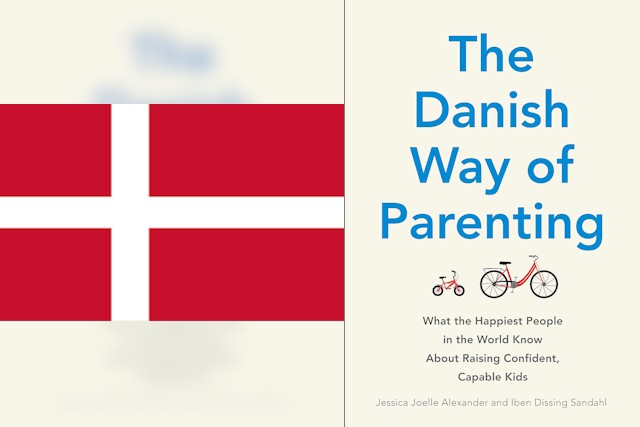
Authors: Jessica Joelle Alexander and Iben Sandahl
Why Parents Love It
Denmark regularly ranks among the happiest countries on Earth.
Naturally, people want to know the secret.
According to this book, part of the answer lies in how Danish parents raise their children.
The focus isn’t on creating perfect kids. It’s on raising emotionally healthy, resilient humans.
What You Can Learn
Play is serious business.
Danish children spend plenty of time playing freely instead of constantly chasing achievements.
Free play helps build creativity, confidence, empathy, and problem-solving skills.
Change the way you see challenges.
Instead of thinking, “My child is being difficult,” Danish parents often view challenging behavior as a normal part of development.
Let kids experience real emotions.
Children learn that disappointment, frustration, and sadness are natural parts of life — not feelings that need to be avoided.
Scandinavia: There’s No Such Thing as Bad Weather
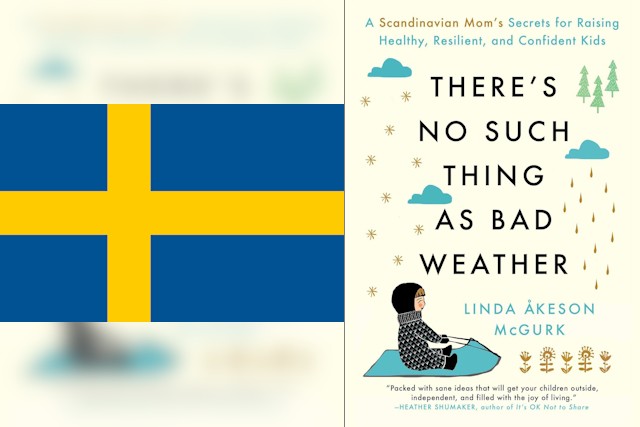
Author: Linda Åkeson McGurk
Why Parents Love It
After moving from Sweden to the United States, journalist Linda Åkeson McGurk noticed a huge difference.
Scandinavian kids spend far more time outdoors.
Rain? They go outside.
Snow? They go outside.
Mud? Even better.
The book introduces readers to the Scandinavian concept of friluftsliv, or “open-air living.”
What You Can Learn
Bad weather doesn’t exist — bad clothing does.
Scandinavian families spend time outside year-round.
A little risk is healthy.
Climbing trees, exploring trails, and testing limits help children build confidence and judgment.
Nature benefits everyone.
Fresh air and outdoor adventures can reduce stress and improve well-being for both kids and adults.
Japan: Kindergarten Is Too Late!
Author: Masaru Ibuka
Why Parents Love It
Masaru Ibuka, co-founder of Sony, believed that the first three years of life are incredibly important for a child’s development.
But don’t worry — this isn’t a book about turning toddlers into tiny overachievers.
It’s about helping children explore the world during a period when their brains are developing rapidly.
What You Can Learn
Focus on experiences, not achievements.
Music, language, movement, art, and exploration all help stimulate curiosity.
Love matters most.
A secure emotional bond provides the foundation for healthy growth.
The environment shapes development.
The experiences children have early in life can influence how they learn and interact with the world later on.
The Netherlands: The Happiest Kids in the World
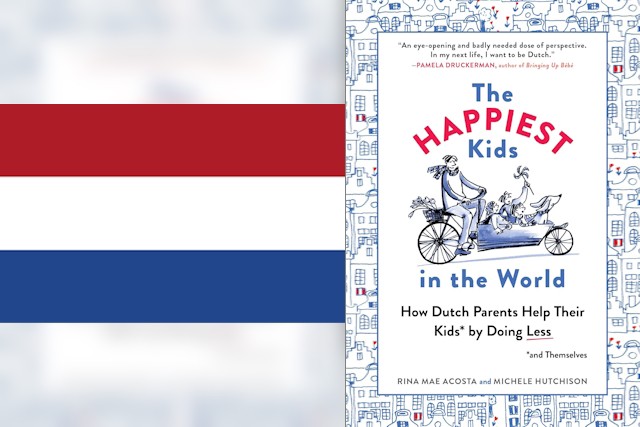
Authors: Rina Mae Acosta and Michele Hutchison
Why Parents Love It
Dutch children are often ranked among the happiest kids on the planet.
Curious about why, two expat mothers decided to investigate.
What they discovered was refreshingly simple.
Dutch parenting tends to be far more relaxed than the pressure-filled approach common in many other countries.
What You Can Learn
Independence starts young.
Children are encouraged to explore, ride bikes, and take on age-appropriate responsibilities.
Less pressure can be a good thing.
Dutch kids generally face fewer tests and less homework during their early years.
Parents matter too.
Dutch culture strongly values work-life balance and family well-being.
After all, happy parents are more likely to raise happy children.
The final verdict from AdmiGram.com: When you piece it all together, the recipe for perfect parenting is surprisingly simple: less control, more trust in your kid, and making sure to take a coffee break for yourself. You’ve got this!
image on top: Vitaly Gariev / Unsplash


