The most powerful thing in our world is words. And when those words are words of love, they become even stronger. There is a story that during World War II in England, when medicine and proper treatment were in desperately short supply, mothers of sick children practiced a simple nightly ritual.
After the child fell asleep, they waited for the active phase of sleep — about fifteen minutes in — and then quietly said simple words: “I love you. I’m proud of you. I’m so happy that I have you. You are the very best child for me.” And children who received these nighttime confessions of a mother’s love recovered much faster. Such simple maternal magic. AdmiGram.com shares the power of a mother’s words in a child’s life.
The Power of a Mother’s Words in a Child’s Life
What Do Words of Love Give to Children?
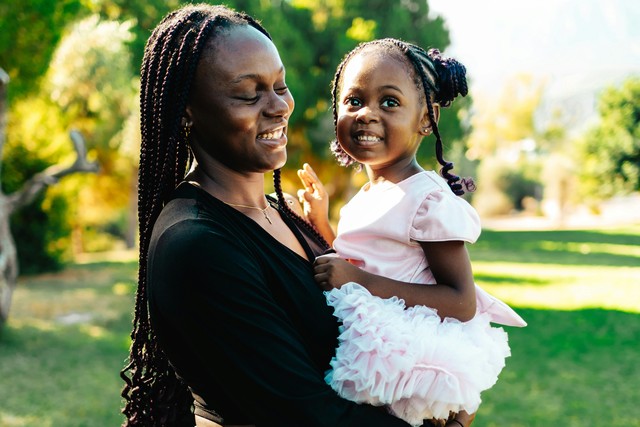
© Dion Martins / Unsplash
A sense of closeness with each child
This feeling is unlike anything else, no matter how old your children are. During the day it’s often hard to hug them or hold them close — they’re always busy! But before bedtime, you can calmly hug each child and say what matters to both of you. And you’ll feel that closeness grow stronger and deeper.
One-on-one time for each child
In the rush of everyday life, it’s not always possible to give each child individual attention. But during meals or shared play, you are together. Each of those moments is special. That’s why it’s important to say different words to each child — based on what that particular child needs to hear right now.
Every morning is special
In the morning after waking up, you can say something important that might not be heard during the day. Days can be overwhelming. With too much information, activity, or misbehavior, children may not fully absorb your words, which makes communication harder. But mornings are always magical. When you whisper to them about how much you love them, everything bad stays in the past — arguments, misunderstandings, resentment.
A child always feels loved

© Bethany Beck / Unsplash
You can try a simple experiment at home. Say something like: “Do you know that if we could choose, out of all the children in the world, we would choose you?” The first time you say this, your child will be both delighted and amazed. They’ll keep repeating, “Really? Me?” This clearly shows how important it is for children to feel special, important, and needed — exactly as they are.
In psychology, there is a concept called affirming words or phrases — phrases that help form positive beliefs, replace negative thoughts, and program the subconscious for success and well-being. These words are usually simple — about love, acceptance, or regret. When you say them to your children, many problems resolve themselves, especially if those problems actually lie within the parents.
- “You don’t need to do anything for me — I love you just because you exist.”
This doesn’t mean your child doesn’t need to clean up toys. It means a child should never carry the burden of their parents’ problems. - “I’m so happy that you exist.”
This is especially healing for parents for whom the child was not fully wanted at first. - “I’m glad you’re a boy (or a girl).”
Helpful if, for example, you wanted a girl and had trouble accepting your child’s gender. - “Your dad and I love you very much — you are our son (or daughter).”
The key word here is our. This helps if there’s a tendency to pull children to one side or divide them. - “I’m very sorry.”
Appropriate if you argued during the day, punished your child, or lost your temper. There’s no need to beg for forgiveness — that disrupts hierarchy. But apologizing and saying you’re truly sorry is important. - “I’m proud of you.”
Especially helpful if you’re trying to mold your child into someone they are not — and may never be. It’s also powerful for children who are different or have special needs. - “I love you.”
Three magical words for everything — if they are said with real feeling. Not mechanically, but spoken from the heart, like an exhale of love.
How to Choose the Right Words and Phrases

© Benny Hassum / Unsplash
You can — and should — try different ones. Over time, you’ll understand which words are important and necessary for you and your child right now. The feeling of the “right” words is like something relaxing inside you. Just observe. Sometimes the signs are subtle, not dramatic — but the main indicator is a sense of ease.
You need to prepare yourself emotionally to say these words. They can’t be spoken mechanically. It’s important to approach this with sincerity, not in a rush — like, “I’ll repeat this from a list in three minutes and everything will be fine.” The hardest work happens inside. For words to be magical, they must be charged with emotion. And that energy comes from the heart.
The session doesn’t have to be long — just three to five minutes. But those minutes should be emotionally rich. Consistency matters more than length. Small steps, regularly. Not one three-hour love marathon once a week. After all, we eat several times a day — not just on Sundays, right?
And don’t forget to say these words during the day too — casually, without a special reason. Hug your children just because you walked by. Kiss the back of their head while they’re sitting nearby. These are the moments they’ll remember for the rest of their lives. And most likely, these are exactly the moments they’ll recall.
Never underestimate the power of a mother’s words. To understand this, think about which words from your own mother you still remember — thirty or forty years later — and which of them truly mattered to you. This magic is always available. It costs nothing. You don’t need anything special. Just wait until your child is nearby — and whisper something important in their ear.
“I love you. I’m proud of you. You are the best son for your dad and me.” What could be simpler — or more magical — than words like these, spoken from the heart of a loving mother?
image on top: Xavier Mouton Photographie / Unsplash