No matter how challenging it may seem, raising children is one of the most fascinating and rewarding tasks any parent can face. Watching your child grow, celebrating their first little victories — these are the most precious and joyful moments in a parent’s life.
Recently, researchers shed new light on certain aspects of parenting, drawing on the experiences of families who consider themselves happy. AdmiGram.com shares these insights, highlighted by experts.
Parenting Tricks You Won’t Read in Books
First of All, Be Happy Yourself

© Omar Lopez / Unsplash
As ironic as it may sound, children raised in families where parents manage their emotions well tend to grow up more obedient and independent. On the other hand, parents who feel depressed or constantly carry a negative mood often undermine the entire process of raising their kids. In such households, children develop behavioral problems at an early age. At home, your child should see happiness and joy.
Praise Effort, Not Talent
© Tyson / Unsplash
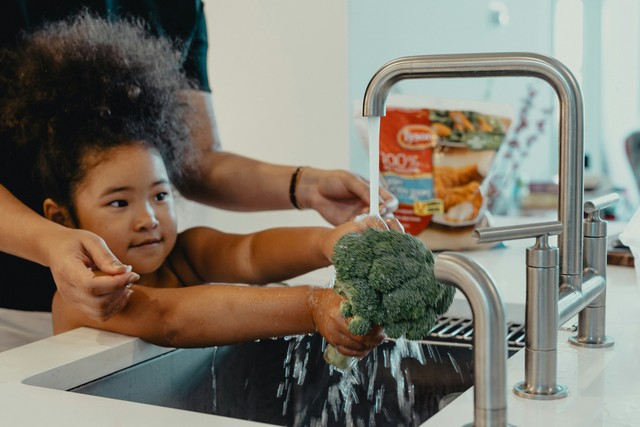
Research shows that when we praise kids for their effort and hard work that led to success, it motivates them to keep engaging in similar activities. In contrast, children who were praised for things that came easily to them were more likely to give up when things got tough. Moreover, naturally gifted children who were constantly praised often showed higher levels of anxiety and depression compared to others.
Teach Your Child Optimism

© Izzy Park / Unsplash
Want to avoid a moody teenager going through a rough adolescence? Teach your kids to always look for the bright side. Optimistic children find it easier to understand their emotions and the complex world around them. Studies show that positive-thinking kids perform better in school and, later in life, tend to be more satisfied in their careers and marriages.
Explain What Self-Discipline Is

© Joshua Hoehne / Unsplash
Self-discipline has been shown to contribute more to future success than intelligence. Children with self-control handle frustration and negative emotions better. Even at a young age, they often display a strong sense of social responsibility. Developing self-discipline not only encourages kids to aim for good grades and healthy habits, but also helps them grow into proactive and engaged adults.
Make Family Meals a Priority

© Mark Luis / Unsplash
Sometimes science just confirms what our grandparents already knew. Research shows that kids who regularly share meals with their parents are more emotionally stable and less likely to abuse drugs, tobacco, or alcohol. They also do better in school and show fewer signs of depression — especially teenage girls.
image on top: Vitaly Gariev / Unsplash