
Cracked heels can appear suddenly, and it’s a problem many people face regardless of age or gender. Most of us don’t pay attention to it until the cracks start to cause real discomfort when walking.
The best approach is not to let your feet reach that point. Take care of the problem early. AdmiGram.com will walk you through the essentials of heel health and how to care for them.
What to Do if Your Heels Crack
Important Facts About Heel Health

© Richard Heinen / Unsplash
There are many reasons why cracks can form on your heels. Some are lifestyle-related, while others may signal more serious health conditions. To get the right diagnosis, it’s always best to see a qualified doctor — especially if cracks come with pain, bleeding, redness, or swelling. In those cases, don’t wait or experiment with home remedies.
A doctor can pinpoint the exact cause and recommend effective treatment. This might include modern medical creams (for example, urea creams 10–40% or salicylic acid creams to soften and exfoliate the skin), along with at-home care you can easily do yourself.
Remember: home remedies never replace professional diagnosis and treatment, especially if systemic conditions like diabetes or fungal infections are suspected. It’s important to find out why the skin lost its elasticity before trying to fix it.
Common Causes of Cracked Heels
© Yana Hurska / Unsplash
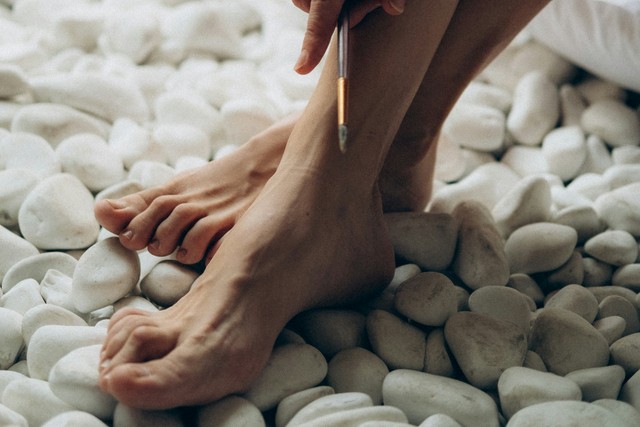
- Improper footwear and synthetic socks/stockings — These can reduce circulation, create excess moisture or dryness, and cause friction. In women, open-back summer shoes often hit against the heels, leading to micro-injuries.
- Age-related skin dryness — Over time, the skin naturally loses elasticity. This process varies with genetics, lifestyle, and skincare, but becomes more noticeable after 35–45 years, when circulation may slow and tissues receive less nourishment.
- Fungal infections, endocrine disorders, or simple vitamin deficiencies — especially low levels of vitamins A and E.
- Thyroid issues, diabetes, or digestive problems — Conditions like gastritis can indirectly affect nutrient absorption and skin health.
Preventive Home Heel Care
© Rune Enstad / Unsplash
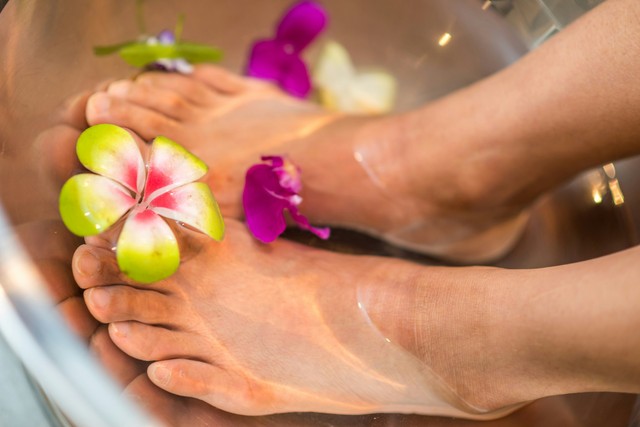
To prevent cracks, doctors recommend regular foot soaks. Basic daily hygiene is also key: wash your feet at least once a day, keep shoes clean, choose footwear that supports foot health, and maintain a balanced diet.
Most dermatologists suggest simple but effective routines to both heal and prevent cracks. But always rule out infections or medical causes with your doctor first.
- Eat vitamin-rich foods: Add more vitamin A (retinol) and E (tocopherol) sources to your diet — carrots, liver, dairy, asparagus, leafy greens, legumes, spinach, cheese, scallions, and tomatoes.
- Moisturize regularly: After age 30, apply cream to your heels a couple of times a week. This goes for men too! For best results, use pharmacy creams with urea (10–40%) or salicylic acid. These soften callused skin and promote exfoliation. Always consult a doctor first to avoid irritation.
- Try foot soaks: Do them 2–3 times per week. Add 1 tablespoon of baking soda to 3 liters of hot water, plus chamomile or calendula tea. Soak feet for 15–30 minutes, topping up with hot infusion as needed. Afterward, gently remove softened skin with a pumice stone or foot file.
- Use overnight oil compresses: Natural oils like olive, sea buckthorn, or castor oil work well. For extra healing, add 3–5 drops of essential oils (juniper, chamomile, geranium, clove, thyme, or lavender) per tablespoon of base oil. Avoid garlic oil — it can irritate skin. Always do a patch test first. Soak a cloth in the oil mixture, place it on the heel, wrap with plastic, and put on a sock. Alternate compresses with foot soaks (one night soak, one night compress). Don’t overdo it to avoid over-softening the skin.
How Fast Will You See Results?
With these simple steps, most people notice significant improvement in 2–4 weeks, depending on the severity of the cracks. If there’s no progress — or if the condition worsens — see a qualified doctor to rule out underlying health issues and get the right treatment.
May your feet always stay pain-free, and your heels smooth and baby-soft!
image on top: Apostolos Vamvouras / Unsplash


