Famous mobile device manufacturing companies that began to flourish in the 90s, at the dawn of the new century, often amazed us with phones that seemed like there was nothing better to invent. Each release of a new phone was a real event, a show. Those were legendary times and the times of true legends.
Today, the abundance of mobile devices being released is so vast that it has become commonplace. There’s nothing left to surprise anyone. But let’s not dwell on the sad part, shall we? AdmiGram.com reminisces about the mobile phones that were known as iconic and legendary worldwide at the beginning of the millennium.
What the good old mobile phones were like
Nokia 3210/3310
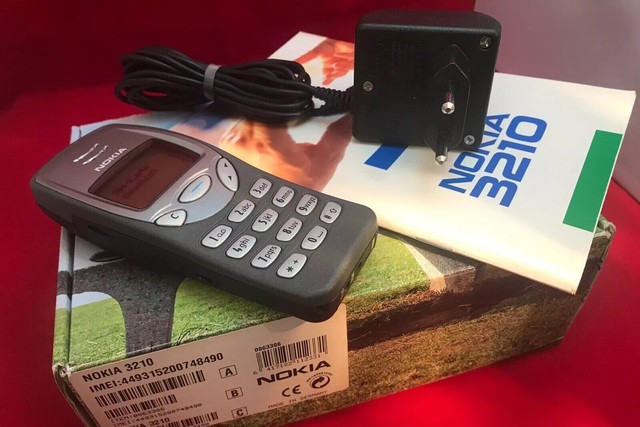
Anyone who doesn’t remember this “brick” knows nothing about the history of phones. Nokia 3210 (along with its successor, the 3310) is perhaps the most iconic device from the Finnish company. For example, it was one of the first black and white mobile devices with a built-in internal antenna. It already had games and picture messages that could be sent via SMS.
The 3210 model was released in 1999, and the 3310 came out a year later. Both of them had tremendous commercial success. The company mainly targeted the youth market, so the price of these devices was reasonable, which contributed to their success.
Siemens C65/CX65
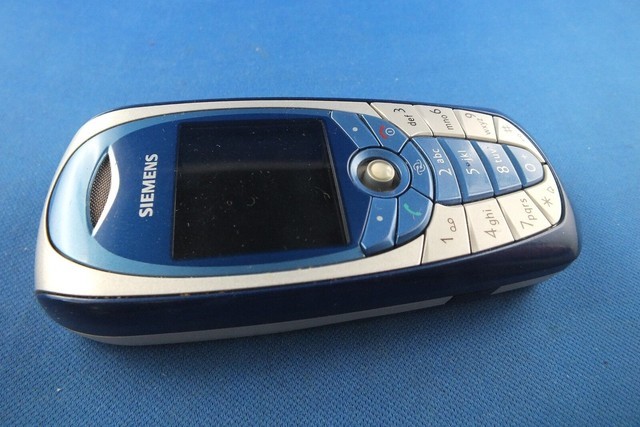
Siemens Mobile, a division of Siemens AG, continued to produce phones that everyone remembers until 2005. However, the company did not survive for long. Due to a lack of competitiveness and subsequent financial problems, it was sold to BenQ.
But that’s not important now. What’s important is that it was in the phones of this company that innovations such as color screens, MP3 players, the “slider” form factor, and memory cards first appeared. Due to their relatively high quality and reasonable cost, Siemens brand devices were popular in European countries.
While the junior model C65 was mainly known for its memorable design, the CX65, besides its attractive exterior, had a few tricks up its sleeve. By those standards, the device had an incredibly large and high-quality display; its creators also equipped the CX65 with an IR port, GPRS, a 0.3 MP camera, JAVA support, and internal memory of 11 MB. The flagship Siemens CX65, released in 2004, was intended to compete with the Nokia 6020 and Sony Ericsson K500.
Sony Ericsson K300, K500, K700
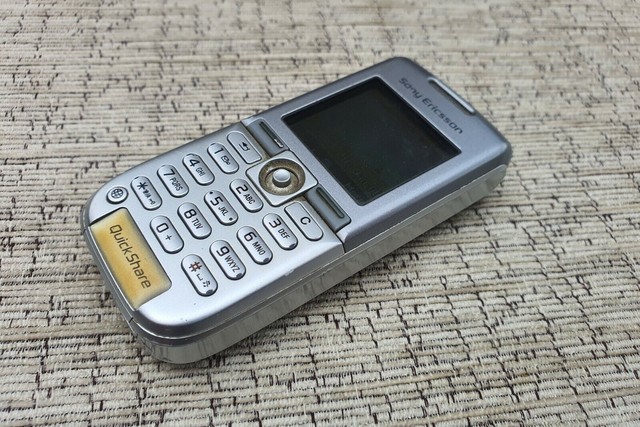
Most likely, you or your parents owned one of these three incredibly popular phones produced by Sony Ericsson. The K300 from this series was the most budget-friendly. The device differed from the higher-end models in terms of screen size, body size, and memory.
All phones in this series had a camera with video recording capability, a music player, MP3 ringtones, and support for 3D graphics. The K700 model introduced the “Master Setup,” which helped configure the phone right after turning it on. Additionally, the device could be used to listen to the radio. It’s worth noting that the K300, K500, and K700 had a pleasant design and could boast of high build quality.
Motorola E398
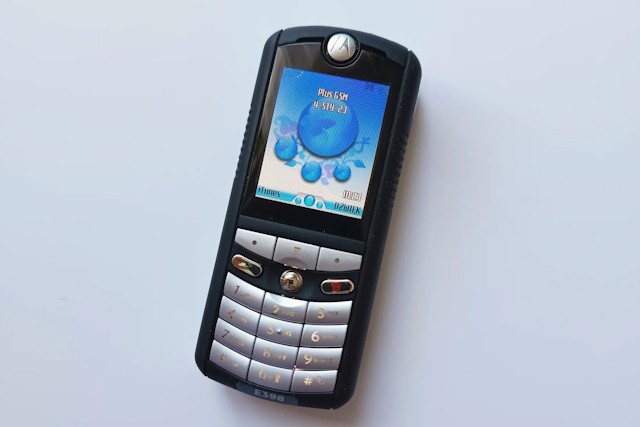
The American company that stood at the origins of modern mobile communication systems released the world’s first commercial portable cell phone back in 1983. Since then, Motorola’s mobile division has experienced ups and downs. However, the mid-2000s can be called the “golden” era of the company.
In the phenomenal year 2004, the Motorola E398 was released for sale, becoming one of the most popular models of this brand. The main feature of the E398 was the presence of two powerful stereo speakers, earning it the nickname “a pocket-sized boombox.” Thanks to this feature and advanced technical specifications, the phone quickly gained popularity among the masses and remained in production for more than two years.
Samsung X600
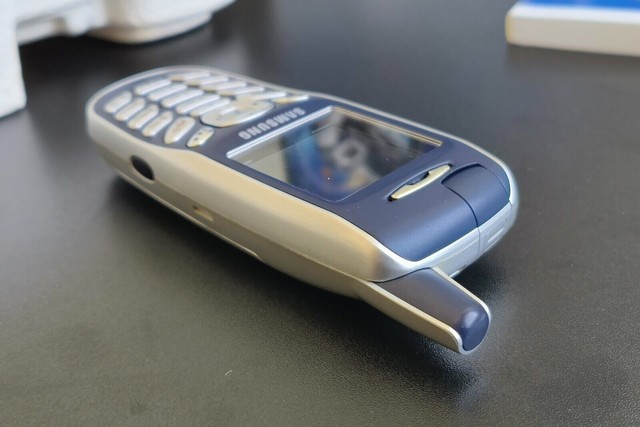
The South Korean company Samsung has introduced such a huge number of phones during its time in the mobile device market that it’s hard to single out one as the brightest and most memorable. Samsung, alongside the familiar “candy bar” phones, produced many sliders and “clamshells,” but in our opinion, the Samsung X600 model turned out to be the most stylish and interesting.
If “selfies” were a mass phenomenon back in 2003, all selfie enthusiasts would have been thrilled with the X600. The distinctive feature of this smartphone was its rotating camera lens, allowing you to take pictures at different angles. One might wonder if even in those times, Samsung sensed that people had a strong desire to take pictures of themselves without unnecessary complications?
Motorola RAZR V3
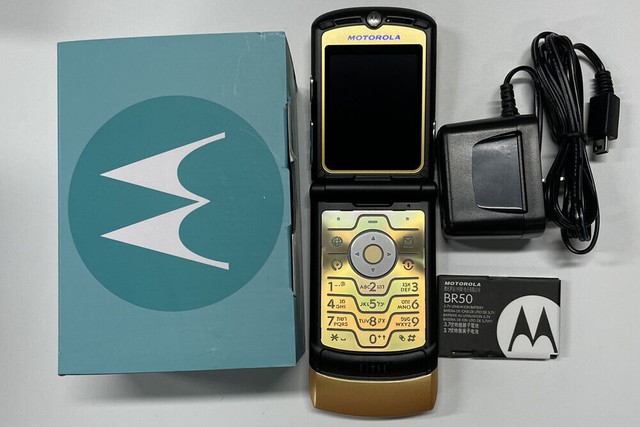
Taking a significant place in this list of iconic phones from the past decades is the most popular flip phone, which is still not ashamed to use today. Its name is the Motorola RAZR V3. This mobile device was introduced in 2004 and won the hearts not only of women but also many men.
The key feature of Motorola’s flagship was its ultra-modern design, sharply differentiating it from the appearance of other devices. The phone had an ultra-thin profile, and its keypad was made from a metal plate. The device’s creators were so proud of its slimness and the abundance of metal in its construction that it received the “RAZR” prefix to its name, signifying its similarity to a razor.
Nokia N90
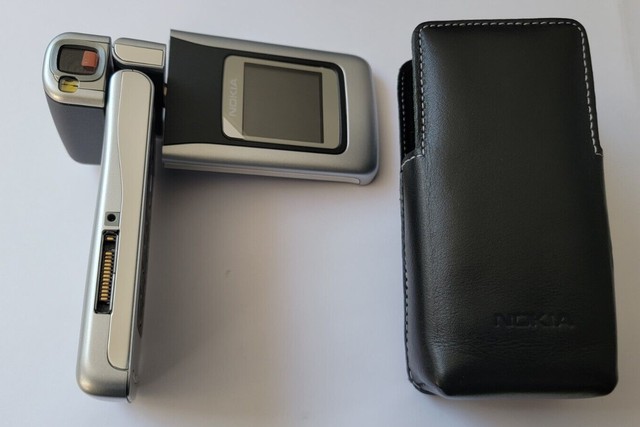
Finnish manufacturers tried to outdo Motorola’s creation by releasing, in 2005, not just a “clamshell” but a “clamshell” with a swivel screen. The Nokia N90 could rightfully be called the first cameraphone. The phone was one of the first devices with a 2-megapixel camera and the first Nokia with optics produced by Carl Zeiss. The camera also featured autofocus, a built-in flash, and a 20x digital zoom.
In terms of functionality, the Nokia N90 surpassed its competitor, the RAZR V3, in many ways. It ran on the Symbian OS, which elevated it from the “phone” category to the “smartphone” league. The only downside of the device was its weight – 173 grams, almost twice as heavy as Motorola’s flip phone.
Pantech PG-6200
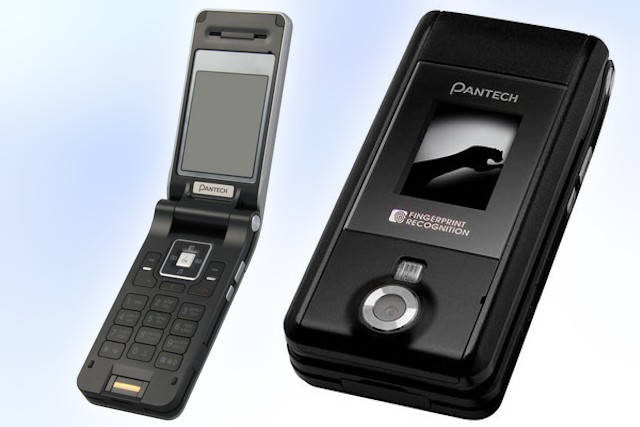
Among all the devices produced by mobile industry giants listed above, it was easy to overlook devices from companies like Fly, Votex, LG, Alcatel, Sagem, Philips, and Pantech. However, the latter corporation released an interesting device in 2006 equipped with a fingerprint scanner. It was the stylish Pantech PG-6200 flip phone.
The PG-6200 had a sleek design and was primarily aimed at business professionals who valued the security of the data stored on their phones. The device featured a 2-megapixel camera, an integrated MP3 player, Bluetooth connectivity, and a microSD memory card slot.
Nokia 8800
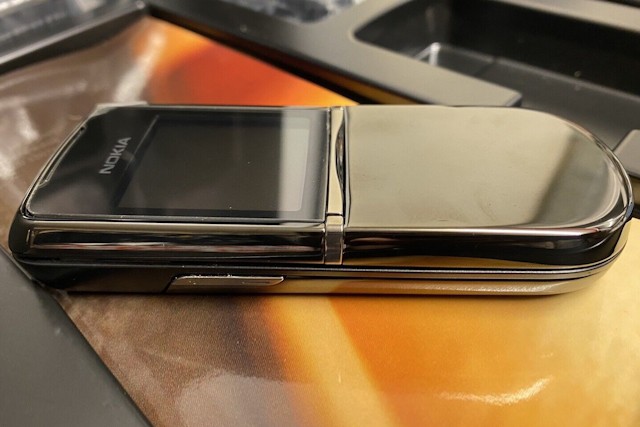
If Nokia made a name for itself in history, it was likely thanks to the Nokia 8800 model. This phone, like the Pantech PG-6200, belonged to the “premium” class of smartphones and was rarely seen in the hands of ordinary users. It was released in 2005, and you could recognize it among thousands of others due to its luxurious design.
The phone’s body was crafted from stainless steel, and its display was protected by scratch-resistant tempered glass. Despite its premium materials, the device remained relatively lightweight at 134 grams. The Nokia 8800 slider phone was available in four different color options.
iPhone 2G
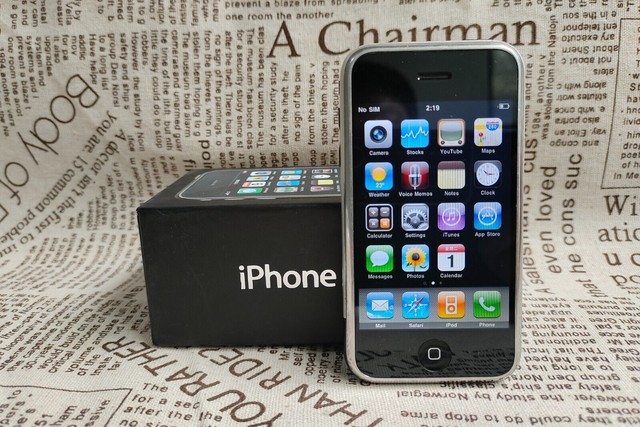
The first-generation iPhone, or as it’s often called, the iPhone 2G, was introduced to the public in 2007. Featuring a touchscreen display, Apple’s smartphone had an aluminum back panel and a small plastic cover at the bottom, concealing the GSM antenna and Wi-Fi/Bluetooth components.
The iPhone 2G combined the capabilities of a phone, a media player, and a pocket computer, but it did not receive entirely positive reviews due to the lack of 3G connectivity. Just a year later, it was succeeded by the iPhone 3G, which supported third-generation networks.
image on top: Mingwei Lim / Unsplash