We’ve grown up believing that fairy tales always end with “happily ever after,” where good triumphs over evil and heroes find love and peace. Thanks to Disney and modern adaptations, we expect cheerful conclusions where no one suffers for too long and villains always get what they deserve.
However, the original versions of our favorite stories were often harsh life lessons, reflecting the brutal realities of the world. At AdmiGram.com, we’ve picked 10 famous fairy tales with shocking differences between their original and adapted versions. Prepare to be surprised — and maybe rethink what you thought you knew about life.
The Dark Origins of Beloved Stories
The Little Mermaid
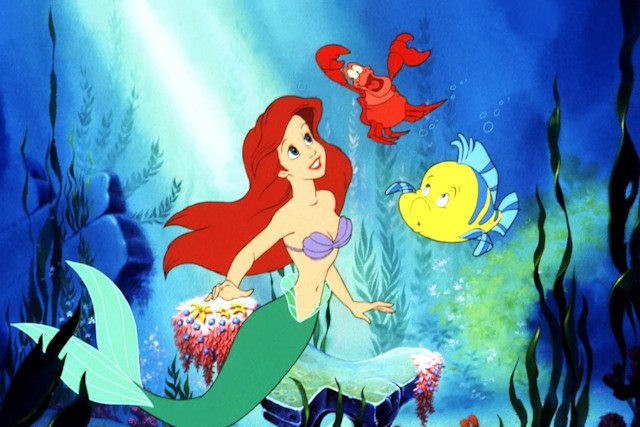
© The Little Mermaid / Walt Disney Pictures
Modern Adaptation (Disney, 1989): Ariel defeats Ursula, gets her voice back, marries Eric, and lives happily ever after on land.
Original (Hans Christian Andersen): The Little Mermaid doesn’t win the prince — he marries someone else. Her sacrifice (losing her voice and enduring excruciating pain when she walks) is in vain, and she dissolves into sea foam. Though she’s given a chance to save her soul, the ending is ultimately tragic.
Disney offers hope, but Andersen teaches resilience in the face of loss. His version reminds us that not all sacrifices pay off, and life isn’t always fair.
Cinderella
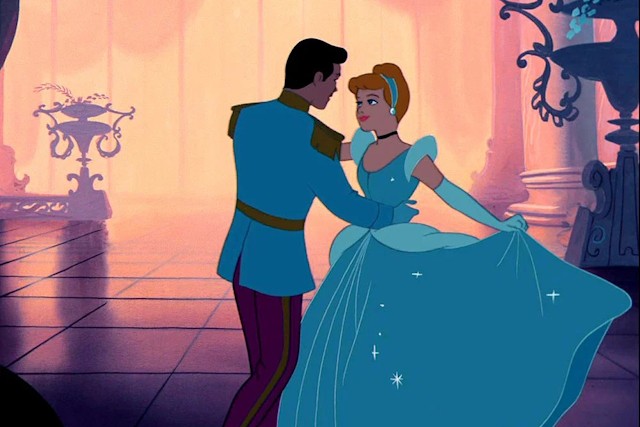
© Cinderella / Walt Disney Productions
Modern Adaptation (Disney, 1950): No real tragedy — Cinderella’s stepsisters simply fail to fit into the glass slipper, and she marries the prince in a happy, romantic ending.
Original (Grimm Brothers): In the original tale, Cinderella’s stepsisters are so desperate for wealth that they cut off parts of their feet (heels and toes) to fit into the slipper. Doves notice the deception and peck out their eyes as punishment. Cinderella feels no pity for them and leaves them to suffer in poverty while she ascends to royalty.
Disney sells a dream, but reality demands resilience. The original “Cinderella” is shockingly brutal but teaches that life doesn’t always offer magic — you have to rely on yourself and face the harsh consequences of others’ mistakes.
Pinocchio
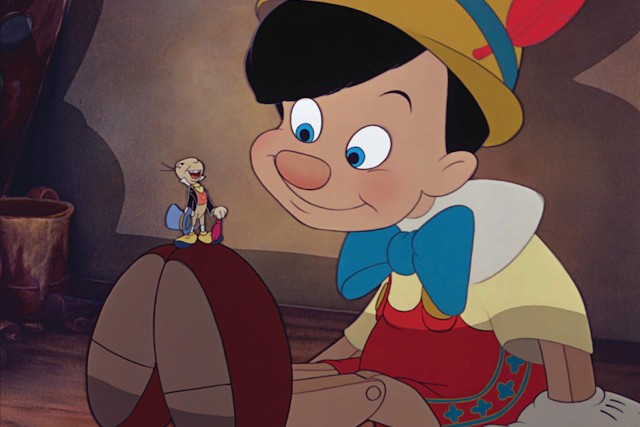
© Pinocchio / Walt Disney Productions
Modern Adaptation (Disney, 1940): Disney turned Pinocchio into a heartwarming family story about dreams, redemption, and kindness. The focus is on hope and magic rather than harsh punishment.
Original (Carlo Collodi): Pinocchio is selfish, rude, and irresponsible. He runs away from home, knowing his “father” might die because of it. He also kills the Talking Cricket because he doesn’t want to hear any lectures. Only after suffering, loss, and pain does Pinocchio begin to change and earn his humanity.
Disney gives us optimism, but Collodi teaches that transformation requires struggle. His version condemns selfishness — mistakes come at a cost, and true growth is painful.
Little Red Riding Hood
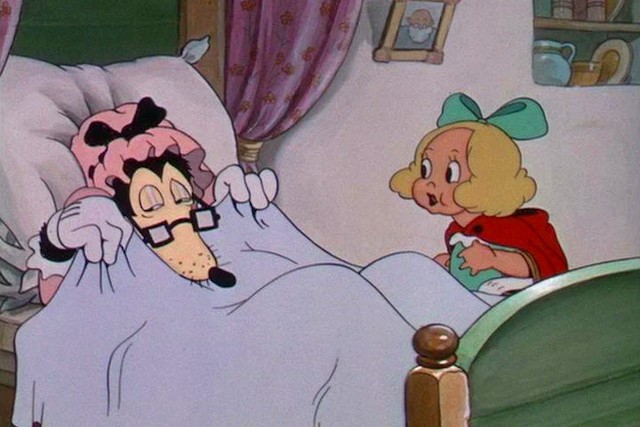
© The Big Bad Wolf / Walt Disney Productions
Modern Adaptation (Children’s books & cartoons): The wolf is often portrayed as misunderstood rather than purely evil, and Red Riding Hood either escapes on her own or is saved by a woodcutter. Everyone survives and learns a lesson.
Original (Charles Perrault): The wolf simply eats both Red Riding Hood and her grandmother. That’s it. There’s no rescue, no redemption — just a brutal cautionary tale about disobedience.
Perrault didn’t sugarcoat reality — naivety can cost you your life. This isn’t a playful adventure; it’s a stark warning: be careful whom you trust, and learn to protect yourself. Next time you meet a “wolf,” make sure you know who he really is.
Sleeping Beauty
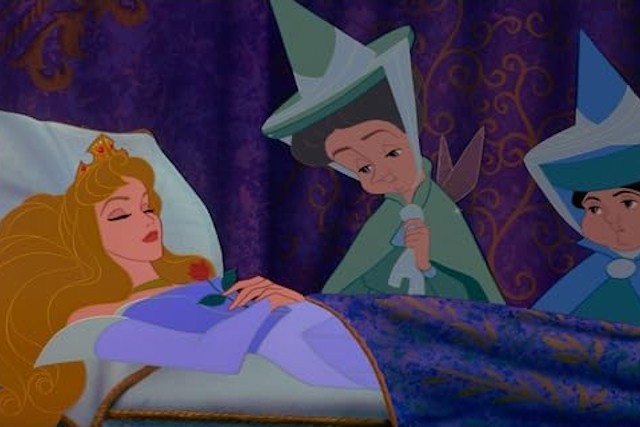
© Sleeping Beauty / Walt Disney Productions
Modern Adaptation (Disney, 1959): Aurora falls into an enchanted sleep due to Maleficent’s curse, and Prince Phillip awakens her with a kiss of true love. Evil is defeated, a royal wedding follows, and the ending is pure romance.
Original (Giambattista Basile): A young woman falls into a deep sleep, but instead of a prince’s loving kiss, a king assaults her while she is unconscious. She later gives birth to twins while still asleep and only wakes when one of them sucks the splinter from her finger. She then faces the king’s jealous wife, who tries to kill her.
The original is a horrifying tale of suffering without choice. It’s not about love’s magic but about survival in a cruel world. Disney teaches us to believe in romance, but Basile’s version reminds us that even in our darkest moments, we must find our own awakening.
Rapunzel
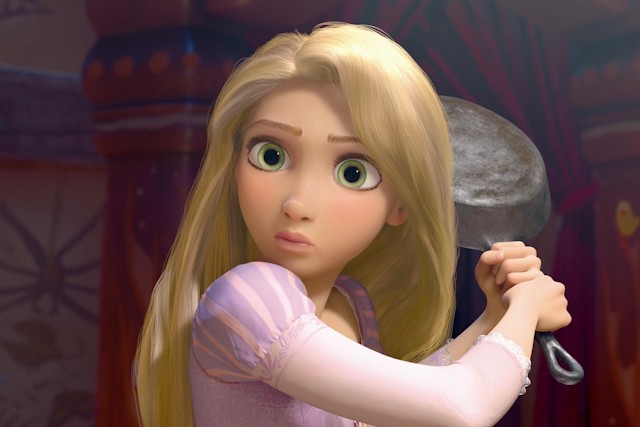
© Tangled / Walt Disney Pictures
Modern Adaptation (Disney, 2010): Rapunzel and Flynn go on a thrilling adventure, Mother Gothel is defeated, and love wins without tragic consequences. The story ends with a joyful wedding.
Original (Grimm Brothers): Rapunzel becomes pregnant by the prince while still trapped in the tower. When the witch finds out, she blinds the prince and banishes Rapunzel. They are only reunited after years of suffering, and her tears miraculously restore his sight.
The original tale is about pain and the cost of freedom. Love requires sacrifices, and not everyone escapes unscathed. Are you willing to face the thorns on your journey?
Snow White
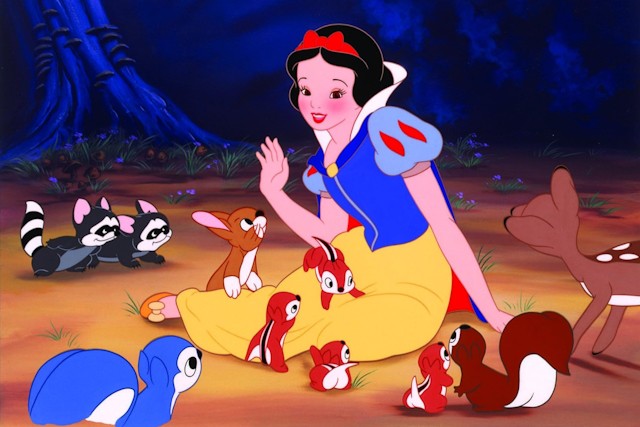
© Snow White and the Seven Dwarfs / Walt Disney Productions
Modern Adaptation (Disney, 1937): The Evil Queen falls off a cliff, and Snow White awakens with a prince’s kiss. The ending is all romance and triumph.
Original (Grimm Brothers): The Evil Queen attempts to kill Snow White three times — first with a lace, then a poisoned comb, and finally the infamous apple. In the end, she is forced to dance in red-hot iron shoes until she dies as punishment.
Grimm’s version teaches that evil pays a high price, but revenge does not bring healing. Disney’s Snow White forgives, but the original tale warns that hatred consumes all, including those who seek retribution.
Beauty and the Beast
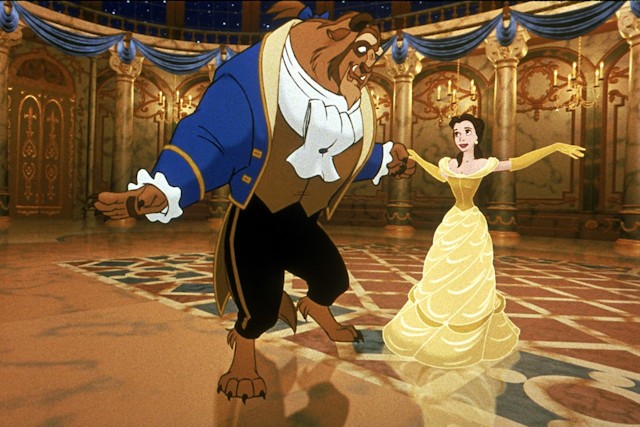
© Beauty and the Beast / Walt Disney Pictures
Modern Adaptation (Disney, 1991): Disney transforms this tale into a heartwarming story of love, redemption, and personal growth. With humor, music, and a focus on inner beauty, it’s a lesson in mutual transformation.
Original (Madame de Villeneuve/Madame de Beaumont): The original is not a love story but a tale of marital sacrifice. Belle is a passive character who submits to marrying the Beast to save her father. She eventually grows fond of him, but the story reflects historical reality, where daughters’ fates were decided by their fathers.
The original is about duty and an ordinary life without fairy-tale romance. Disney’s version is about magical transformation, while the original asks: Can you see beyond appearances? And are you ready to change yourself?
Hansel and Gretel
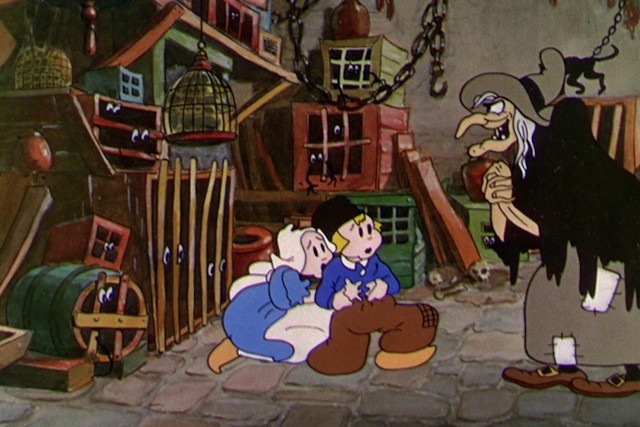
© Babes in the Woods / Walt Disney Productions
Modern Adaptation (Children’s books & cartoons): The witch is often portrayed as comical, and her death is softened. The focus is on adventure and cleverness rather than the struggle for survival.
Original (Grimm Brothers): The original folk tale was so horrifying that even the Grimm Brothers toned it down. Hansel and Gretel are abandoned in the forest because their parents can’t afford to feed them. The witch plans to eat them, but Gretel shoves her into an oven, where she burns alive. The children escape with stolen treasure, but the tale remains grim.
Grimm’s version shows that the world is merciless, and survival requires determination. It’s not just a fun adventure — it’s a fight for life. Ask yourself: Do you have the courage to throw your own “witch” into the fire?
The Three Little Pigs
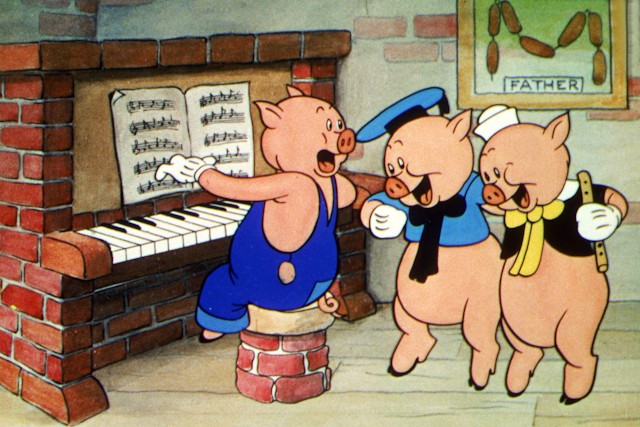
© Three Little Pigs / Walt Disney Productions
Modern Adaptation (Children’s books & cartoons): The wolf never eats the pigs — they simply hide in the brick house, and he either gives up or suffers a harmless defeat.
Original (English folk tale): The wolf devours the first two pigs because they were lazy and built weak houses. Only the third pig outsmarts him, ultimately boiling the wolf alive in a pot. The lesson is clear — foolish mistakes are fatal.
The original story is harsh: survival is earned, not given. Disney softens the lesson, but the truth remains — you must build something strong to withstand life’s storms.