Any home cook will tell you that one of the simplest and healthiest dishes is oven-roasted vegetables. Unfortunately, not everyone knows that vegetables — like any other food — have specific rules when it comes to roasting them correctly and preserving their nutritional value.
During the fall and winter months, naturally grown vegetables often become our main source of fiber and vitamins. But to retain as many minerals and beneficial nutrients as possible, vegetables must be cooked properly.
AdmiGram.com explains how to roast vegetables so they turn out both healthy and delicious. Follow these tips, and you’ll notice that any vegetable dish you make in the oven will taste noticeably better.
Roasting Vegetables Correctly: Mistakes to Avoid
Cut Your Vegetables Properly
© The Design Lady / Unsplash
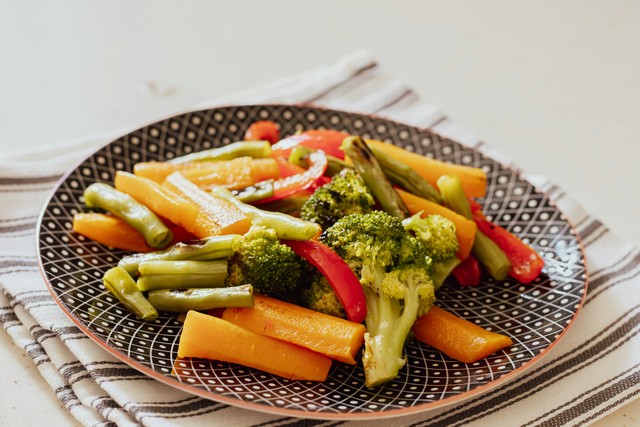
Most home cooks break two simple rules when cutting vegetables, which turns even the best roasting recipe into something unevenly cooked — burnt on the edges and underdone in the middle.
For your dish to be tasty, healthy, and visually appealing, all vegetables should be cut to the same length and thickness. Slice them into long, even pieces, cutting along the natural fibers. This helps vegetables like carrots, bell peppers, and zucchini retain more of their natural juices.
More Vegetables, Less Oil
© Sebastian Coman Photography / Unsplash
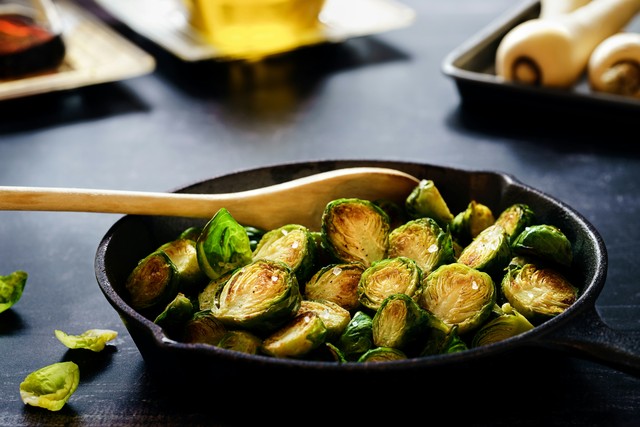
Many people use far too much oil when roasting vegetables because they’re afraid the vegetables will burn. This is a common misconception. Vegetables can burn for many reasons — but lack of oil is not one of them.
When roasting, simply brush a thin layer of oil onto the bottom and sides of the baking dish using a pastry brush. Vegetables release their own moisture while cooking, and excess oil not only ruins the flavor but also eliminates many of the health benefits.
Use the Right Cookware
© Dee Dee / Unsplash
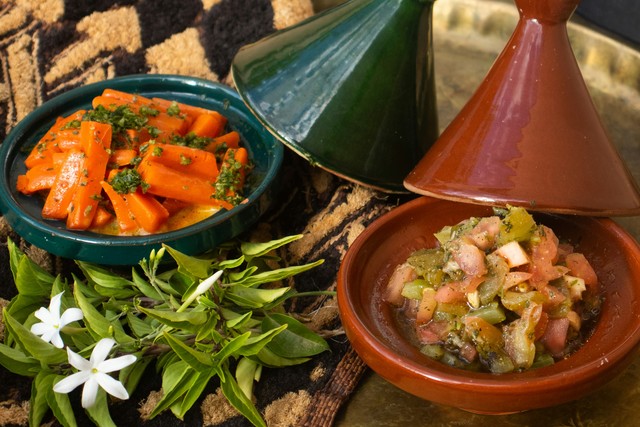
The ideal dish for roasting vegetables is a tagine, but in everyday kitchens, any ceramic dish works perfectly. Ceramic cookware allows vegetables to cook evenly with minimal added fat.
You can also use cast iron or oven-safe glass. The key is to choose a dish that is wide and not too deep. This allows the vegetables to roast evenly on all sides instead of steaming in their own juices.
Roast Vegetables the Right Way

© Filipp Romanovski / Unsplash
For many home cooks, roasting vegetables means dumping them into a dish and letting them sit in the oven for 90 minutes at a moderate temperature. This method produces vegetable mush — not the roasted vegetables you were hoping for.
The optimal roasting method is 425–450°F (210–230°C) for 25–45 minutes, depending on the type of vegetables and the size of the pieces. Check for doneness: vegetables should be tender on the inside and golden brown on the outside.
Make sure the vegetables are evenly cut and arranged in a wide ceramic dish in a single layer. They shouldn’t be piled on top of one another. Even if you need to roast them in two batches instead of one, the result will be far healthier and much more flavorful.
Stir Vegetables During Roasting
© Ahmet Koç / Unsplash
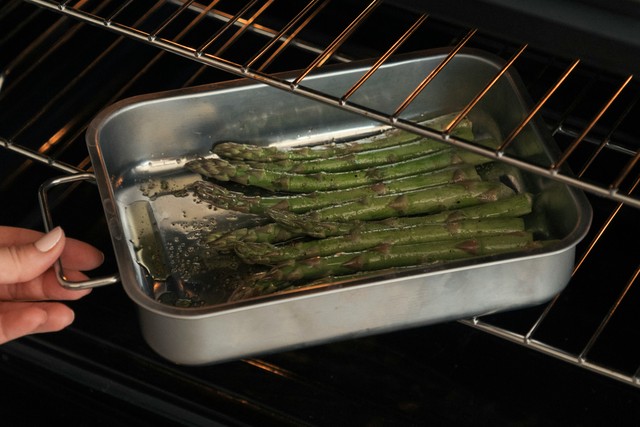
If you’ve spread the vegetables in a thin, even layer, they’ll roast evenly and develop a crispy exterior while remaining tender inside.
However, to prevent excess moisture from causing the vegetables to overcook or become soggy, gently stir them during roasting. Stir no more than twice. A wide spatula works best, making it easy to flip the vegetables and ensure even browning.
image on top: Edward Hagenauer / Unsplash