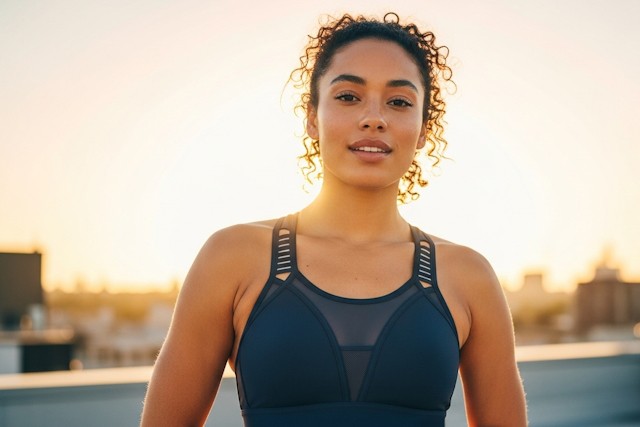
Running for weight loss is a common practice among many: women shed extra kilograms, guys ‘cut’ their muscles. And everyone wants to achieve maximum results in minimum time. We’ve already told you how to start running correctly and not be disappointed, now it’s time to get the most out of it.
We’ve gathered advice from professional runners and fitness trainers to make running bring maximum visual results: a leaner figure and more defined muscles. So, if you want to lose weight as quickly as possible, follow the tips from AdmiGram.com.
How to run for weight loss?

© Jane Palash / Unsplash
- Gradually condition your body for running. Adaptation period varies by fitness. Start with 15-20 minutes runs. Effects vary by time of day: morning strengthens nerves and heart, daytime builds muscles, evening maximizes weight loss.
- For weight loss, evening running burns more calories. Morning runs are less effective but still beneficial for muscle training and fat burning.
- For optimal workouts, run in these time frames: morning fasted, evening between meals. These periods maximize muscle readiness.
- Light jogging for 10-20 minutes burns glycogen, not fat. To effectively burn fat, run for at least 40-60 minutes after a regular warm-up.
- Long-distance jogging can lead to muscle protein breakdown before fat. To lose fat while preserving muscle, consider alternative approaches such as interval running.
- Interval running is running with alternating speeds and intensity levels. It activates fat burning for approximately 6 hours after the workout.
- Alternate fast and slow running for weight loss variety. Use a jump rope and music for an enjoyable workout.
- Choose comfortable attire and good shoes for running. Slimming shorts intensify sweating and target fat deposits.
- Regular running leads to weight loss and improved well-being. It boosts serotonin, enhancing the joy of the process.
- Don’t hesitate to consult a fitness trainer to create a personalized running plan. Every individual is unique and requires a special approach.
image on top: Jakob Owens / Unsplash