Finding a beautiful set of Christmas lights is easy these days. The real challenge? Finding ones that are high-quality, durable, and safe to use. Most Christmas lights on the market today are manufactured in China. While they often look attractive, their quality can vary widely.
Without careful consideration, you may end up with lights that stop blinking, glow in just one color, or have wiring issues after only a few uses. AdmiGram.com is here to help you pick the right lights to ensure your Christmas remains festive and trouble-free.
How to choose the right Christmas lights
Decide on functionality and placement
© Jennifer Jensen
Before buying Christmas lights, think about where and how you plan to use them. Lights are generally divided into two categories:
- Outdoor lights — designed to withstand harsh weather conditions such as snow, rain, freezing temperatures, and ice. Outdoor lights must be made from high-quality, water-resistant materials like rubber, silicone, or copper. It’s best to consult a professional for installation or get detailed advice if you plan to set them up yourself.
- Indoor lights — these are meant for use inside your home. Indoor lights are typically made from materials like PVC, PET, or silicone. They’re easy to set up — just plug them in and enjoy.
Before heading to the store, measure where you’ll place your lights to ensure the cord length is sufficient. Don’t forget about the cord color; it should complement your decor. Decide if you prefer single-color lights, multicolor, blinking, dimmable, or multi-mode lights. Otherwise, you might end up buying the flashiest lights in the store, only to realize they don’t suit your needs once you’re home.
Key tips for buying Christmas lights
© Jennifer Jensen
Shop from reputable stores. Always buy your lights from a trusted retailer that offers a warranty. Avoid buying from market stalls, pop-up vendors, or questionable sources.
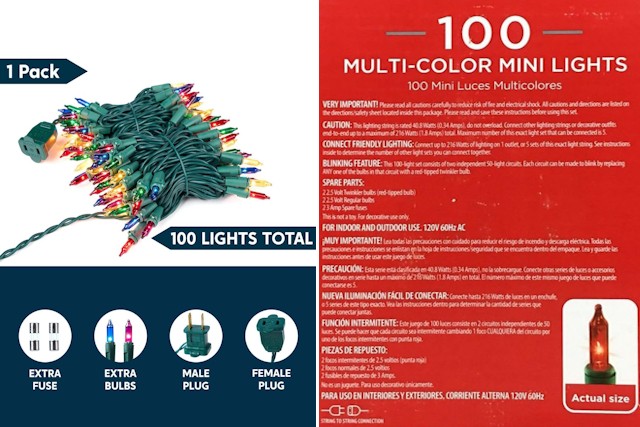
Inspect the packaging. Ask to see the box before purchasing. If the lights come in a flimsy plastic bag, it’s a red flag. A proper box should clearly display: manufacturer information, product name, usage guidelines and lifespan, voltage and power limits, materials used in the lights.
Check for documentation. Inside the box, there should be a user manual and a certification of compliance. Budget options often skip these important details. If everything checks out, proceed to inspect the lights themselves.
Inspecting and choosing Christmas lights
© Amazon
When selecting Christmas lights, it’s essential to examine them closely to ensure they are safe and well-made. Here’s what to look for:
Key features to check
Build quality
- The lights should be crafted from high-quality materials.
- The power cord should be thick, moderately flexible, and durable. An ideal length for the power cord is between 5–10 feet (1.5–3 meters).
- Connections between the cord, bulbs, and plug should be secure and free of any looseness or wobble.
Mode control box
- If the lights include a mode-switching box, press it lightly. It should feel sturdy and not bend or creak under pressure.
Cord thickness
- The string holding the lights should also be thick and durable. Make sure it meets safety standards like UL certification (common in the U.S.). Avoid products with thin, flimsy wiring.
Specific recommendations for LED and incandescent lights
© Jennifer Jensen
For LED lights:
- LED bulbs consume less power, so they can use thinner wiring. A wire gauge of 22 AWG (0.32 mm²) is sufficient for most LED lights up to 50 feet (15 meters).
For incandescent lights:
- These consume more power and require thicker wiring to handle the load. Choose lights with a wire gauge of at least 18 AWG (0.82 mm²) or thicker for longer strings and higher bulb counts.
General advice for long strings:
- For lights over 65 feet (20 meters) or those with high power requirements, use wiring with a gauge of 16 AWG (1.31 mm²). Always verify the manufacturer’s specifications to ensure compatibility and safety.
Testing before purchase
- Ask the seller to plug in the lights. Check that all bulbs are functioning and that all modes (if applicable) operate correctly.
- Ensure neither the bulbs nor the cords heat up during operation.
Additional considerations
Why choose LEDs?
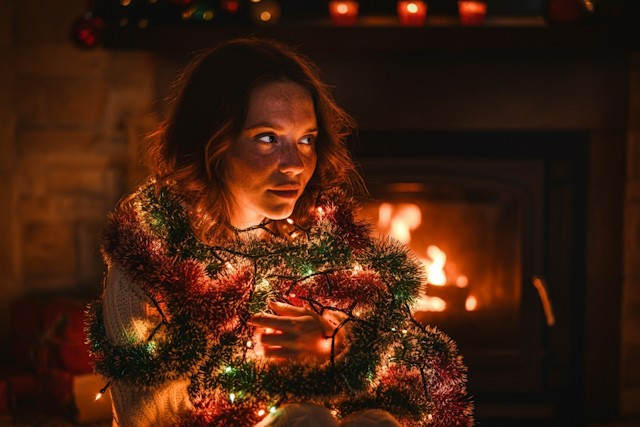
© Jennifer Jensen
LED lights have largely replaced traditional incandescent bulbs for good reason:
- They’re more energy-efficient.
- They last longer.
- They’re safer and less likely to overheat.
If you come across an older-style incandescent string, it’s better to pass it up. LED lights are a superior investment for both safety and longevity.
Spare bulbs
Check if the box includes spare bulbs. A good set typically comes with 2–3 extra bulbs for each color. Test the spares to ensure they work properly.
Safety tips for using Christmas lights
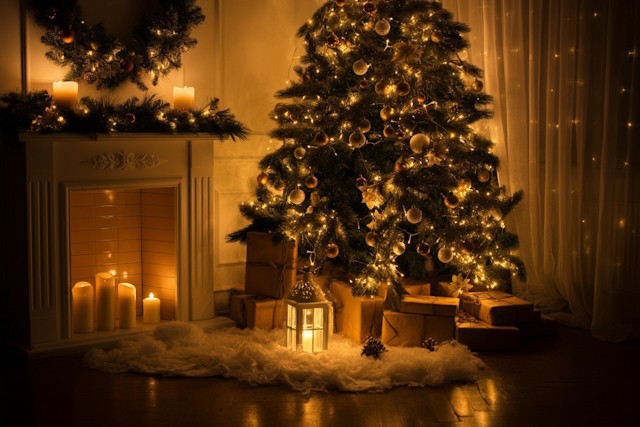
© Jennifer Jensen
Even the best lights require safe usage to avoid accidents. Keep these safety guidelines in mind:
- Placement. Avoid bending or stretching the string. Do not apply pressure, twist, or tug on the wiring.
- Repairs. Never attempt to disassemble or repair the lights yourself.
- Power connection. Plug the lights into a dedicated outlet that’s easy to access for quick disconnection if needed.
- Children. Keep lights out of children’s reach and don’t allow kids to operate them unsupervised.
- Unattended use. Always turn off the lights when leaving the room, going to sleep, or stepping out of the house.
By following these tips, you’ll ensure your holiday decorations are not just dazzling but also safe and long-lasting.
image on top: George Bakos / Unsplash