Ice cream is one of the world’s most beloved treats, enjoyed by kids and adults alike. It’s the perfect way to cool down on a hot day — or just boost your mood. But not all ice cream is created equal. Some are full of artificial ingredients, low-quality fats, or just don’t taste that great.
So how do you pick the real deal from the endless options in the freezer aisle? AdmiGram.com offers a practical guide to help you navigate those frosty shelves and choose the best ice cream for you and your family.
How to Choose High-Quality, Real Ice Cream
Step 1: Look at the Packaging and Name

© Denis / Unsplash
The first thing you notice is usually the packaging and product name. Here’s a tip: the better the packaging quality, the higher the chances that the product inside was made with real, natural ingredients. Premium brands often invest in attractive, well-made packaging to reflect their commitment to quality.
As for product names — if it’s labeled as something like “tropical explosion” or sounds overly exotic, it might be packed with artificial flavorings. Stick to simpler varieties. And if the packaging is dented, frosty, or damaged, that could be a red flag for improper storage or transport, which can ruin both texture and taste. Skip it.
Step 2: Read the Ingredients Carefully
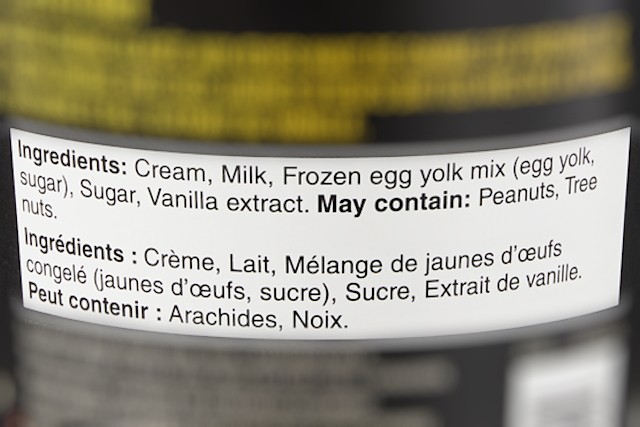
Most countries, including the U.S., require clear labeling. So check the ingredients list and nutrition facts on the back. Classic flavors — like vanilla, chocolate, or strawberry — should have a short, simple list: milk, cream, sugar, eggs (for custard-based varieties).
Avoid ice creams loaded with artificial sweeteners, long lists of additives, or stabilizers like guar gum or carrageenan. If you see ingredients like “vegetable oil” or “palm oil,” it usually means they’ve replaced real cream with cheap fats. Choose ice cream made with natural ingredients — and if you’re into clean eating, look for the Organic label. Always check the expiration date.
What Makes Ice Cream High-Quality?

© Nina / Unsplash
Real ice cream should contain at least 10% real milk fat, though premium brands often go for 14–18% for a richer texture. Here’s what else to look for:
- Texture: Good ice cream is smooth and creamy — no icy crystals or grainy bits. If there’s a chocolate shell, it should be even and not flake off when you open it.
- Color: The color should be natural and even. For example, vanilla should be creamy with a pale yellow hue. Bright white often means artificial additives or vegetable fats.
- Melting Test: Real ice cream melts slowly at room temperature (about 15–20 minutes) and forms a creamy puddle. If it turns into foam or watery soup in under 10 minutes, it likely contains low-grade fillers or poor ingredients.
At-Home Ice Cream Quality Tests
© Takuya Nagaoka / Unsplash
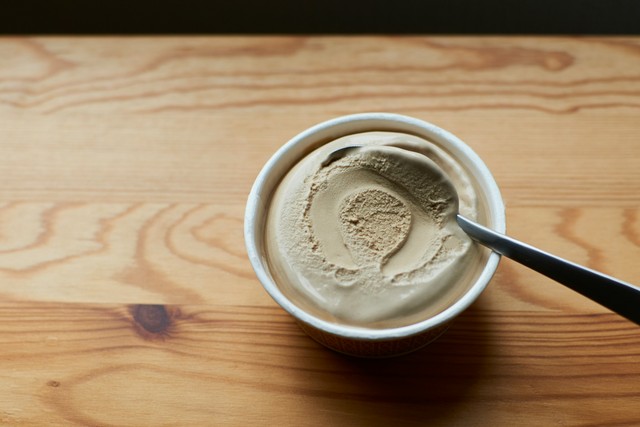
You don’t need lab equipment to get a sense of what your ice cream is made of. Here are a few simple tests you can do at home:
- Texture Test: Cut through the ice cream with a knife. High-quality ice cream will be dense and creamy. Poor-quality versions may look airy, with large bubbles or icy crystals.
- Color Test: Natural ice cream has a creamy, slightly yellow tone thanks to real dairy fat. Bright white could mean cheaper vegetable fats were used.
- Melting Test: Leave a spoonful out at room temperature. Quality ice cream melts evenly, like butter. Poor-quality ice cream separates into water or froth.
- Refreezing Test: Melt and refreeze a sample. Good ice cream stays relatively smooth. Low-grade options become gritty and full of ice crystals.
- UV Light Test: If you have a UV LED light (and follow safety precautions), real dairy fat glows yellowish under UV. Vegetable fats glow blue or purple.
- Storage Check: If the chocolate coating has water droplets on it right after purchase (not from your fridge), it likely means the product was stored or shipped incorrectly — skip it, as this will affect both taste and texture.
Ice Cream and Kids

© Mieke Campbell / Unsplash
For kids, ice cream is all about fun — but moderation is key. One standard portion (about 7 oz or 200g) once a week is plenty. Avoid giving ice cream to children who are overweight, sick often, or during cold weather, as it may lead to colds or sore throats. Stick to basic cream-based or classic vanilla flavors. Avoid anything overly bright or too sweet.
Smart Tips for Buyers
- Premium vs Budget: Focus on ingredients, not just the price tag.
- Dietary Needs: If you’re lactose-intolerant or vegan, look for “dairy-free” labels.
- Local Brands: Many cities have small creameries or regional brands that use fresh, local ingredients. Check out farmer’s markets or specialty stores.
By focusing on simple ingredients, trusted brands, and proper storage, you can treat yourself to delicious, high-quality ice cream that’s actually better for you. Enjoy every spoonful!
image on top: Patricia Prudente / Unsplash