Oh, so you’re sitting there thinking, “Phishing? Pfft. Not me. I’m not an idiot.” Well, hold up, buddy! Online phishing is like that one annoying mosquito — it’ll bite you no matter how much you wave your arms and yell, “I know everything!”
According to Sprinto, every single one of us will fall for a phishing scam at least once in our lifetime. And some “lucky” folks? They get to experience it twice. Ready to see how you’re getting played? AdmiGram.com is here to spill the truth.
How Phishing Hooks You Online
Phishing by the Numbers: Stats That’ll Make You Swallow Hard
© Joshua Koblin / Unsplash
Phishing isn’t just some hacker tossing out a few emails hoping someone’s dumb enough to click. This is a billion-dollar criminal industry.
- 3.4 billion phishing emails are sent every day. Yep, that’s basically two emails for every person on Earth.
- For every $1 scammers spend, they rake in $50 in profit.
- The average damage from just one successful attack? $136. Not exactly pocket change.
And remember that legendary scam from 2013–2015? Hackers ran a Business Email Compromise (BEC) scheme with fake invoices and walked away with $120 million. Only $49.7 million was ever clawed back in court. The rest probably went toward yachts and cocktails in the Maldives.
Why Phishing Still Works: Because You’re Human
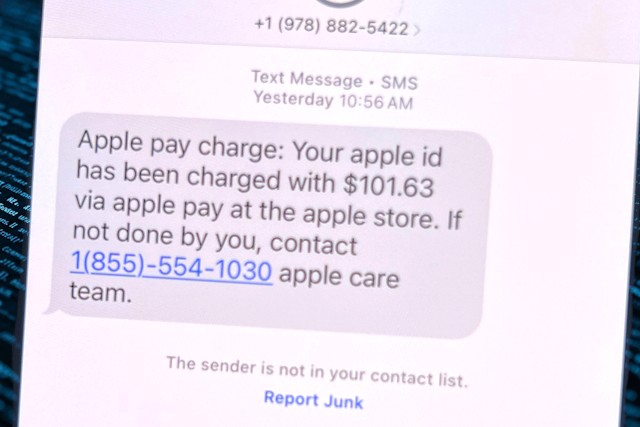
© tapiocaTomioka via reddit
“Who even clicks those sketchy links anymore?” you ask, scrolling through TikTok, feeling like the king of cybersecurity. Here’s the thing: your emotions are your biggest weakness. Scammers know you’re as curious as a cat, and they count on your brain turning off its “be suspicious” mode.
They hit you where it hurts: fear, greed, curiosity. And before you know it, you’re typing your password into a fake login page like it’s no big deal. Researchers at Friedrich-Alexander University Erlangen-Nürnberg proved it. They emailed 1,700 students and messaged them on Facebook with a “link to party photos.”
The result?
- 56% of the students clicked and handed over their logins to a fake site.
- Even worse? 78% admitted they knew it was probably phishing… but they wanted to see the pictures anyway.
Seriously? Drunk party pics over your bank account? Priorities, people.
Psychology on the Hook: How Scammers Play Your Mind
© Kieron Mannix / Unsplash
Scammers aren’t just hoodie-wearing basement hackers; they’re wannabe psychologists without the Harvard degree. Here’s how they mess with you:
- Urgency & Fear: “Your account has been suspended! Click here to unlock it!” Panic mode kicks in, rational thinking shuts down, and you click without a second thought.
- Social Engineering: “Your friend Kate sent you a gift! Claim it here.” You see a familiar name, and boom — you’re hooked.
- Greed & FOMO: “You’ve won an iPhone 17! Confirm your details!” Your brain screams “Free stuff!” and you forget that apple.scam.com isn’t actually Apple.
- Romance Bait: “Hi, I’m Michelle. Let’s get to know each other…” After a few sweet messages, you get a “photo” link that leads straight to a phishing site.
These tricks bypass logic and hit your instincts. And while you’re “just checking,” your data is already vacationing in the dark web.
How Not to Be a Fish on the Hook
© Jayson Hinrichsen / Unsplash
Okay, don’t panic. Here’s how you stay sharp:
- Golden rule: Never. Share. Your. Data. Your login, password, card number — that’s sacred. If “the bank” calls begging for it, hang up.
- Ignore the action bait: “Click here now!” or “Urgent: Confirm!” are red flags. Close it and drink your coffee. The world won’t end.
- Check the links: Before paying for anything, run the URL through VirusTotal. If it smells fishy, it probably is.
- Look at the address bar: If you see “Instgaram.com” instead of Instagram.com or “us-facebook.com” instead of facebook.com, run.
- Update your software: An outdated browser is an open invitation to hackers. Hit “update,” it’s painless.
If you mess up
- Call your bank immediately.
- Change your password through the official site.
- Check your account settings — scammers love to add their own recovery email or phone number so they can sneak back in.
So, keep your head cool and your data locked tight. Phishers never sleep, but you’re smarter than that, right?