
Every real man should take an active role in raising his children — especially when it comes to their safety.
We live in an unpredictable world, and it’s crucial to teach kids how to navigate potentially dangerous situations. Don’t assume that someone else will explain to your child how to interact with strangers or how to ask for help in an emergency. These essential lessons should come from a father, and the earlier you start these conversations, the better.
Today, AdmiGram.com highlights key safety rules every child should know. As soon as your little one can understand you, start teaching them these principles. Some lessons can be introduced as early as age three. Make sure to use age-appropriate language and always keep communication open. This will encourage your child to share any concerns or problems with you right away.
Essential safety lessons every dad should teach
Lesson #1: “I don’t do anything that makes me uncomfortable”

© Janko Ferlič / Unsplash
Teach your child that no matter who is asking, if something makes them uncomfortable, they don’t have to do it. This could be something small, like lending a personal item to a friend, or something more serious, like taking off their clothes in front of others. Make it clear that even if all their friends are doing something, they don’t have to. Your child must understand that they have the right to say “no” to anyone, anytime.
Lesson #2: why your child should never go anywhere with a stranger
Your child must understand that no matter what someone says, they should never leave with a stranger. Teach them to be wary of lines like, “Your mom asked me to pick you up.” If they ever hear something like this, they should stay put and immediately call for help from nearby adults. Ensure that, in an emergency, you or another trusted family member (like a grandparent) can always reach your child or pick them up personally.
Lesson #3: roads are extremely dangerous
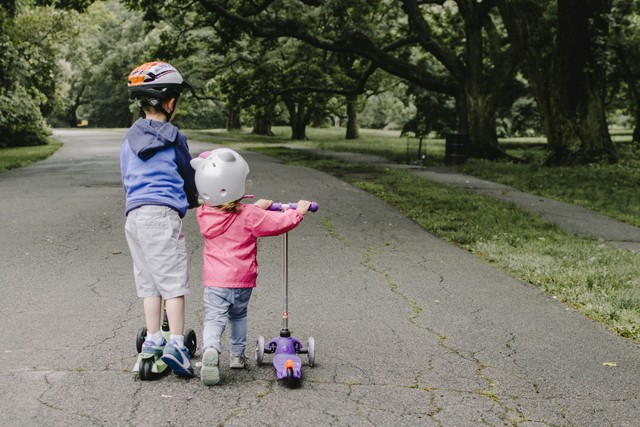
© Kelly Sikkema / Unsplash
One in five traffic accidents worldwide involves a minor. Your child must understand what a road is and the dangers it presents. Many parents make the mistake of simply scaring their children about the road instead of teaching them how to behave near it. As a result, kids may panic and run across a street instead of crossing it carefully at a designated crosswalk. Go over pedestrian safety rules with your child. Explain that riding a bike should only be done in safe areas like backyards or parks, and if a ball rolls into the street, they should ask an adult for help instead of running after it themselves.
Lesson #4: never accept anything from strangers
Your child must understand that no matter how tempting or interesting something seems, they should never take candy, money, toys, or anything else from a stranger. Teach them to politely refuse if someone offers them something without your permission or in your absence. This isn’t just about avoiding potential dangers like bad intentions — it’s also about preventing exposure to contagious diseases that someone might unknowingly pass along. By starting these lessons early, you can ensure your child grows up with a strong sense of awareness and self-protection. A well-prepared child is a safer child.
Lesson #5: what to do if they get lost

© Ante Hamersmit / Unsplash
One of the most important lessons a father can teach is how to handle getting lost. We’ve dedicated a separate article to this topic, covering all key aspects, but here’s the most crucial point: your child should know your contact information in case of an emergency. They should be able to share their parents’ phone numbers and the contact info of at least one other trusted relative. Additionally, make sure your child understands that if you ever get separated, they should stay in one place and wait for you to return. This is the safest way to be found quickly.
Lesson #6: fire is not a toy
Whether at home or elsewhere, your child should know that fire is never something to play with. They should only be near fire if you are present and have explicitly allowed it. If your child is home alone, make sure they cannot access matches, lighters, or any fire-starting tools. Additionally, teach them what to do in case of a fire emergency — including how to call 911 and safely exit a building.
Lesson #7: why kids should only play near home

© Olivia Bauso / Unsplash
At first glance, letting your child play beyond your home might not seem like a big deal. However, statistics show that nearly 80% of all childhood injuries occur outside their familiar environment. When kids venture too far, they often engage in risky behavior — jumping from high places, getting more aggressive, or throwing dangerous objects. Simply put, they become less cautious. Additionally, being far from home increases their vulnerability to potential threats from strangers.
Lesson #8: why kids should be careful about what they share
Your child must understand that sharing personal information can be dangerous. They should never give out details like: phone numbers, home address, parents’ work schedule or location, family wealth or valuables. While it’s natural for kids to brag about their parents, this kind of information can be exploited by the wrong people.
Lesson #9: teaching your child to stand up for themselves

© yang miao / Unsplash
Kids struggle with self-defense. Some let others bully them, while others may become bullies themselves. Teach your child that if they’re with you, they should tell you immediately if someone hurts or bothers them. But if they’re alone and someone hits them first, they should defend themselves. The best approach? Teach them to slap an aggressor if needed. This works 99 times out of 100, isn’t dangerous, and won’t escalate into major conflicts between parents. However, always remind your child that violence should never be their first option — they should never start a fight or bully others.
Lesson #10: How to call for help the right way
Many kids are taught to be quiet and polite — which, unfortunately, makes them easy targets in dangerous situations. Explain that if they ever feel unsafe, they should: yell loudly, kick, bite, and struggle, attract as much attention as possible. Your child needs to know that in an emergency, the louder and more dramatic they are, the better their chances of getting help. By teaching these safety rules early, you can help your child stay safe and confidently handle difficult situations.
image on top: Temu


