
Good communication can open doors in every part of life.
Whether you’re asking for a raise, leading a meeting, negotiating with a client, or simply trying to settle a disagreement at home, the way you speak matters. People who communicate with confidence and clarity often earn more trust, build stronger relationships, and reach their goals faster.
The good news? Persuasion isn’t a talent you’re born with — it’s a skill anyone can learn.
That’s why AdmiGram.com put together 20 simple communication techniques that can help you sound more confident, influence people naturally, and make your conversations more effective.
20 Ways to Be More Persuasive
1. Stay Positive and Respectful

© The Wolf of Wall Street / Red Granite Pictures
Instead of telling people what they have to do, try saying what you recommend or suggest.
People naturally resist feeling pressured. Giving someone a choice makes them much more willing to listen.
2. Always Give a Reason
People respond better when they understand why.
Instead of making a simple request, briefly explain your reason. Research has shown that even a short explanation can make people much more likely to say yes.
3. Focus on Benefits, Not Problems
People are naturally drawn toward positive outcomes.
Instead of saying:
“You need to lose weight.”
Try:
“You’ll feel stronger and have more energy if you start working out.”
Motivation works much better than criticism.
4. Watch Your Tone
The words you choose matter — but your tone matters just as much.
Even a simple “no” can sound harsh if it’s delivered with frustration or impatience.
Stay calm, friendly, and respectful.
5. Replace “No” With Better Alternatives
Whenever possible, avoid shutting conversations down.
Instead of saying:
- “No.”
- “I don’t like it.”
Try:
- “Not right now.”
- “This approach isn’t the best fit.”
- “I’d like to explore another option.”
The message stays the same, but the conversation stays open.
6. Don’t Rush to Say Someone Is Wrong
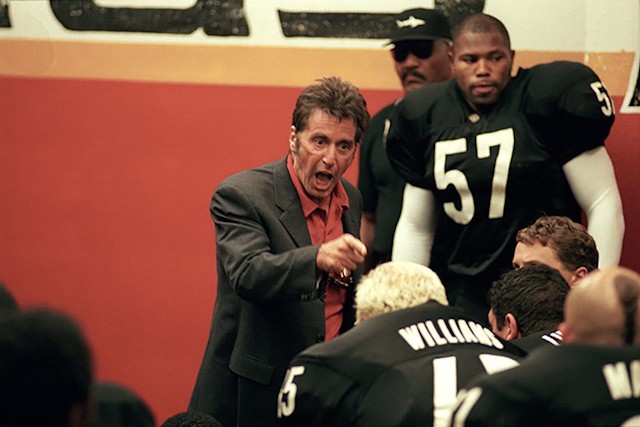
© Any Given Sunday / The Donners’ Company
Few people enjoy hearing, “You’re wrong.”
Instead, ask questions.
Try:
“I see what you mean. What if we looked at it this way?”
This keeps people engaged instead of putting them on the defensive.
7. Frame Progress Positively
Small wording changes can completely change how people feel.
For example:
“You’re already halfway there.”
sounds much more encouraging than
“You’re only halfway done.”
Positive framing increases motivation.
8. Stop Saying “Just”
Words like just, only, or kind of weaken your message.
Instead of:
“I just wanted to share an idea.”
Say:
“I’d like to share an idea.”
It sounds much more confident.
9. Be Specific
People trust clear plans.
Instead of saying:
“I’ll call you sometime next week.”
Say:
“I’ll call you Tuesday afternoon.”
Specific language creates confidence.
10. Ask Open-Ended Questions

© War Dogs / BZ Entertainment
Questions that require more than “yes” or “no” lead to better conversations.
Instead of asking:
“Did you like it?”
Try:
“What did you think about it?”
You’ll learn much more.
11. Speak With Confidence
Compare these two statements:
“I’d like to think about it.”
vs.
“I need some time to think it over.”
The second sounds clear, confident, and intentional.
12. Focus on the Future
Don’t get stuck saying:
“If only I had…”
Instead say:
“From now on, I’ll…”
You can’t change the past, but you can always change what happens next.
13. Avoid Wishy-Washy Language
Words like:
- maybe
- probably
- should
- hopefully
often make your message weaker.
Instead of:
“Maybe we should talk about it.”
Say:
“Let’s talk about it tomorrow.”
Confidence inspires confidence.
14. Cut Out Filler Words
Words like:
- actually
- basically
- honestly
- literally
usually add nothing to your message.
Simple, direct communication is easier to understand — and more persuasive.
15. Replace “But” With “And”
“But” often cancels everything that came before it.
Instead of:
“You did a great job, but…”
Try:
“You did a great job, and here’s one thing we can improve.”
People hear encouragement instead of criticism.
16. Make Requests Instead of Demands

© Jobs / Dillywood
People respond better to respect than pressure.
Instead of saying:
“You need to decide today.”
Try:
“I’d really appreciate a decision by today.”
You’ll often get a better response.
17. Use Positive Language
Tell people what you want, not what you don’t want.
Instead of:
“Don’t forget to send the report.”
Say:
“Please send the report before 3 p.m.”
Positive instructions are clearer and easier to remember.
18. Keep Negative Words to a Minimum
When giving feedback, soften the message without hiding the truth.
Instead of:
“That’s completely wrong.”
Try:
“I think there’s another way to look at it.”
People are much more willing to listen when they don’t feel attacked.
19. Avoid Absolute Words
Words like:
- always
- never
- everyone
- nobody
are rarely accurate.
Instead of:
“You never listen.”
Say:
“I’ve noticed this has happened a few times recently.”
Specific examples lead to productive conversations.
20. Focus on Solutions
The most persuasive people don’t spend their energy assigning blame.
They ask questions like:
- “What can we do next?”
- “How can we solve this?”
- “What’s the best way forward?”
People naturally follow those who focus on progress instead of problems.
The Bottom Line
Being persuasive isn’t about manipulating people or winning every argument.
It’s about communicating with clarity, confidence, empathy, and respect.
Small changes in the words you choose — and the way you deliver them — can improve your relationships, strengthen your career, and make everyday conversations much more successful.
The best communicators aren’t the loudest people in the room. They’re the ones who make others feel heard.


