
Our “beloved” house spiders are pretty much harmless. The absolute most they can do is set an awkward trap for a stray fly (and honestly, they fail half the time). But out there in the wild, they have cousins who play by a completely different, way more brutal set of rules.
If you ever spot any of these ten eight-legged monsters, here’s a pro-tip: forget about the selfie and just run! A single bite from these guys can land you straight in the ER — or worse. AdmiGram.com rounded up the most dangerous spiders on the planet. Consider this your official warning!
The Most Venomous and Dangerous Spiders in the World
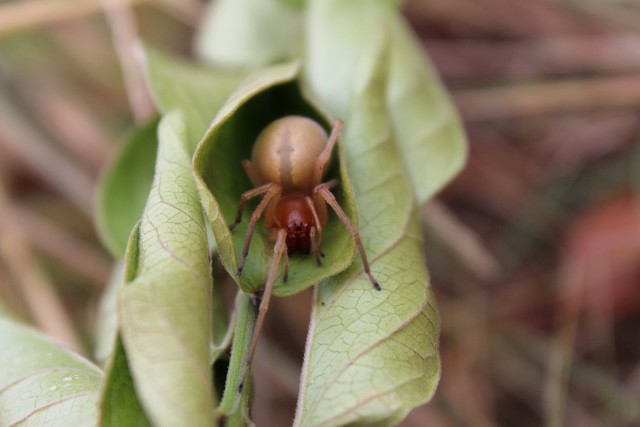
Yellow Sac Spider (Cheiracanthium punctorium)
© Martin Vašíček / Flickr
This guy originally hung out in Asia, but lately, he’s decided to see the world and is actively invading Europe. He’s tiny — only about 0.6 inches (15 mm) long — but he packs a massive attitude. He loves building his nests in tall grass and warm, open fields.
The catch: His bite is pure agony, leading to nasty, slow-healing necrotic wounds (where the skin literally dies). Yellow sacs rarely bite unprovoked, but if you step on his turf, he will throw down.
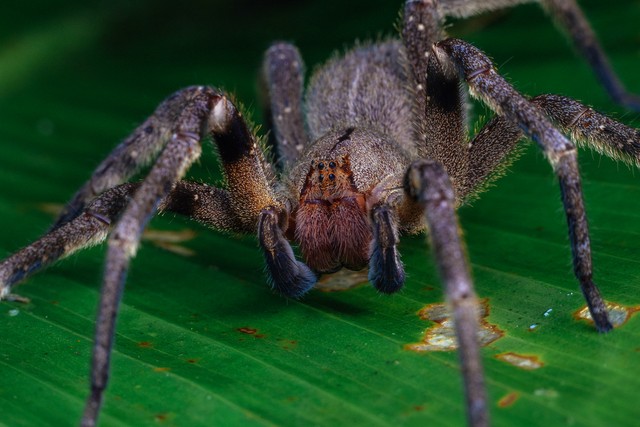
Brazilian Wandering Spider (Phoneutria nigriventer)
© João P. Burini / Flickr
Meet the true rockstar of the spider world. Living in South America, this guy despises the stay-at-home life and refuses to spin a web. Instead, he just wanders around looking for adventure. Even though his body is barely 0.6 to 2 inches (1.5–5 cm) long, he carries enough venom to take down 225 mice!
The catch: He’s also known as the “banana spider” because he loves hitching a ride in grocery crates. So, next time you’re picking out fruit at the supermarket, look closely! Fortunately, an antivenom exists, but you’re still looking at a severe allergic reaction.
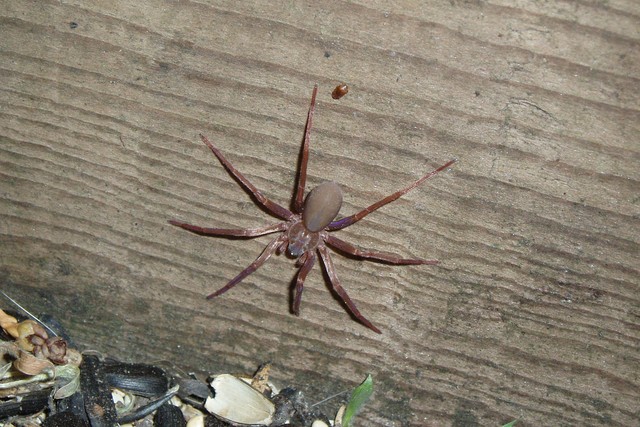
Brown Recluse (Loxosceles reclusa)
© Michelle Ress / Flickr
One of the most elusive and deadly residents of the US Midwest and South (and yes, they love California). Because they’re so tiny — ranging from 0.2 to 0.8 inches (0.5–2 cm) — they are almost impossible to spot in the dark. Plus, unlike your average eight-eyed spider, this creep only has six eyes.
The catch: He’s all about indoor comfort, hiding out in attics, closets, and old tires. His venom sneaks through your system, and symptoms often don’t show up for 24 hours — right when the toxins are already wrecking your tissue. Every second counts, so get to a doctor ASAP.
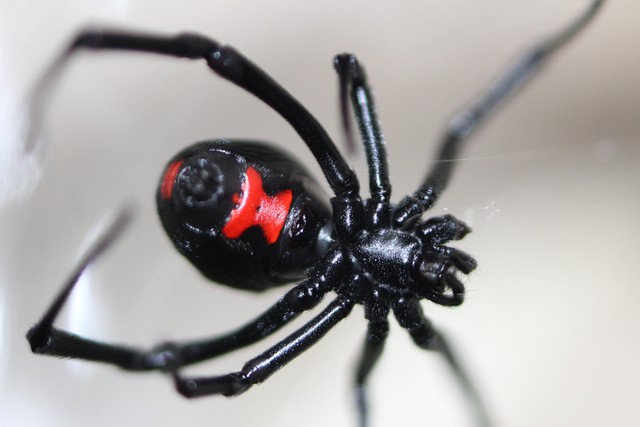
Black Widow (Latrodectus mactans)
© stevenw12339 / Flickr
We couldn’t make this list without the ultimate femme fatale. Her venom is 15 times stronger than a rattlesnake’s! This infamous lady sets up camp in prairies and desert areas all over the globe. Fun fact: the females — growing up to 0.8 inches (2 cm) in length — are way bigger and infinitely more dangerous than the males.
The catch: The Black Widow only strikes if she feels threatened, but if she does, it’s bad news. Without a quick dose of antivenom, things can go south incredibly fast.
Wolf Spider Variant (Lycosa aragogi)
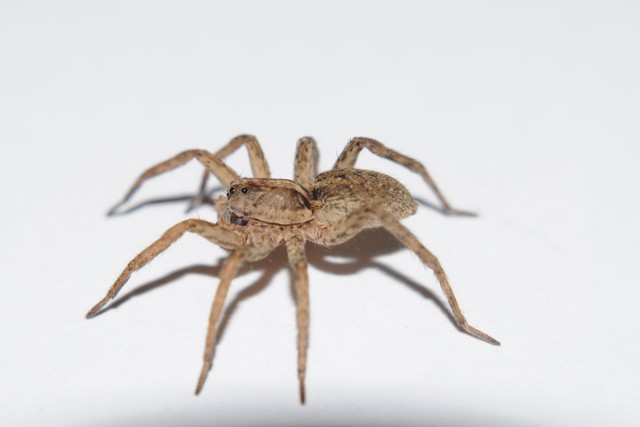
© Maximilian Paradiz / Flickr
Yes, Harry Potter fans, this hairy nightmare from the wolf spider family is literally named after Hagrid’s pet, Aragog. These beasts can grow anywhere from 1 to 4 inches (2.5–10 cm) long and rock a rugged, dark gray and light brown look.
The catch: They live in deep, damp burrows throughout steppes and deserts. Aragog either waits for his food at home or goes on a casual stroll to hunt. His bite causes excruciating pain and a swollen mess that will take days to recover from.
Diving Bell Spider (Argyroneta aquatica)
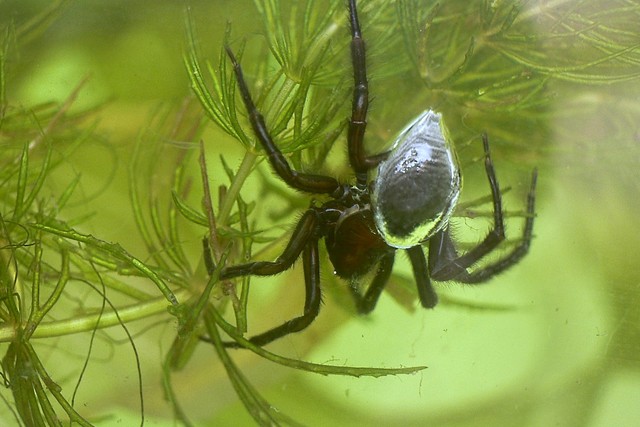
© SERGEI BYKOVSKII / Flickr
If you thought you were safe from spiders in the water, think again! This little scuba diver lives in ponds across Europe, Northern Asia, and the US. He breathes air but spends his entire life underwater, swimming at a terrifying speed of up to 1 to 2 inches per second (2.5–5 cm/s).
The catch: Human encounters are rare — usually happening when fishermen accidentally pull them up with weeds or fish. The bite feels like a severe burn, accompanied by intense swelling and redness. If you have allergies, you’ll need a handful of antihistamines immediately.
Red-Legged Widow (Latrodectus bishopi)
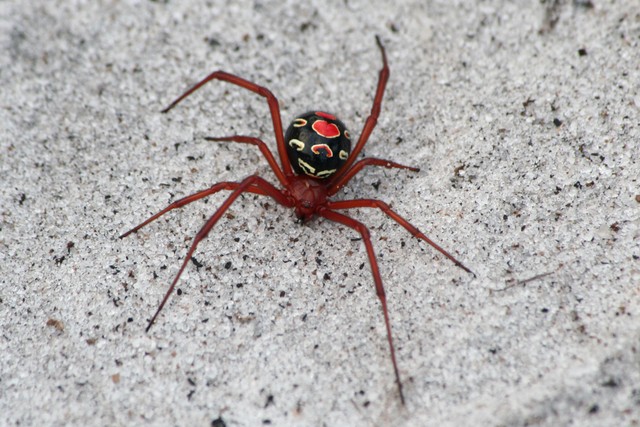
© Jacob Kalichman / Flickr
An elegant but deadly resident of the maritime forests in southern Florida and Georgia. The males sport a bright, flashy red-orange head — a stylish warning billboard to any predator in a mile radius that screams, “Touch me and find out.”
The catch: The venom targets the nervous system, triggering intense pain, severe inflammation, and sometimes localized necrosis. Skip the hospital visit, and you’re guaranteed a miserable time.
Mediterranean Black Widow (Latrodectus tredecimguttatus)
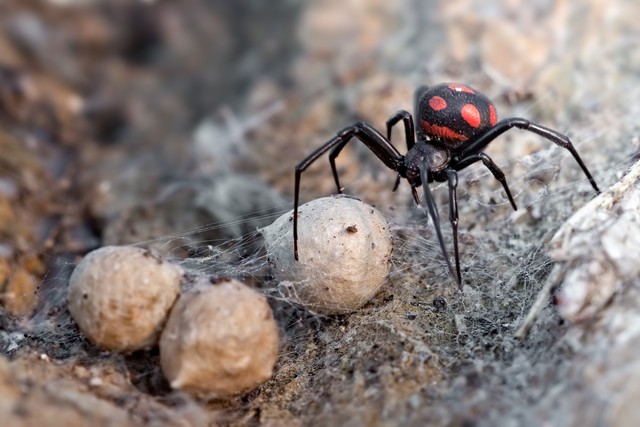
© andrea hallgass / Flickr
A close relative of the classic Black Widow, but slightly bigger and badder. While common in Europe and Asia, variants hold ground in parts of the US and southern Canada. He prefers wide-open steppes and stays far away from big cities.
The catch: This guy is so metal that his venom can take down full-grown horses and cattle. For humans, a bite means weeks of unstoppable, agonizing pain. He rarely attacks on his own, but step on him, and it’s game over.
Goliath Birdeater (Theraphosa blondi)
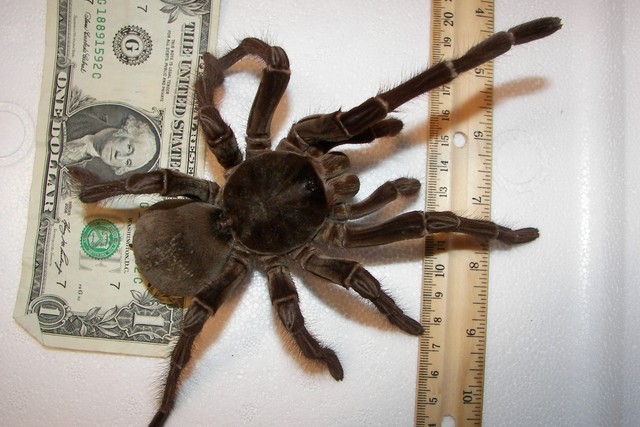
© John / Flickr
The undisputed heavyweight champion of the world and the number one sponsor of arachnophobe nightmares. We’re talking a 3.5-inch (9 cm) body with a massive 10-inch (25 cm) leg span! This absolute unit easily holds a spot in the Guinness World Records.
The catch: For a long time, rumors claimed his venom was as lethal as curare poison. Thankfully, science stepped in: it turns out his venom isn’t actually deadly to humans (unless you’re highly allergic). But let’s be real — you could probably pass out from pure shock just by looking at this giant, furry “birdy.”
Sydney Funnel-Web Spider (Atrax robustus)
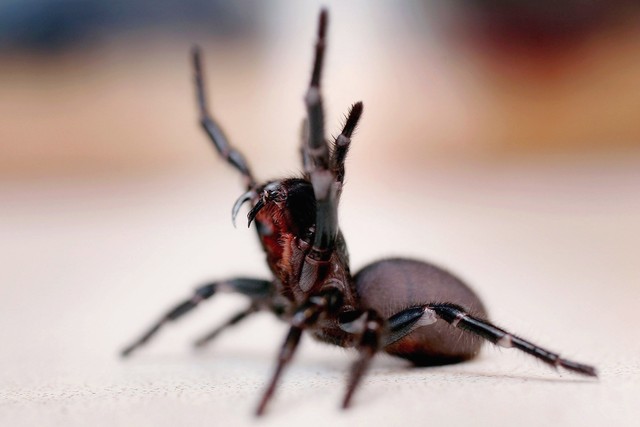
© factoids / Flickr
Australia strikes again to remind us that down under, everything wants to kill you. This spider is pure, unadulterated aggression. His fangs are so insanely sharp and powerful that they can easily pierce right through human skin and heavy-duty leather boots!
The catch: He does not back down from a fight. Before attacking, he rears back into a terrifying warning pose, flashing his dripping fangs. In worst-case scenarios, a bite from this monster can put a person straight into a coma.
image on top: Sting / Screen Australia


