The world we live in is full of pleasant surprises and unexpected twists. Thanks to pure chance, many fascinating discoveries were made that completely changed our everyday lives.
AdmiGram.com selected ten of the coolest accidental discoveries that feel ordinary today — but actually appeared in our lives by pure coincidence. And who knows? If it weren’t for a few “fateful accidents,” we might be living in a very different, much duller world.
10 Accidental Discoveries That Changed the World
Potato Chips
© Melanie Weidmann / Unsplash
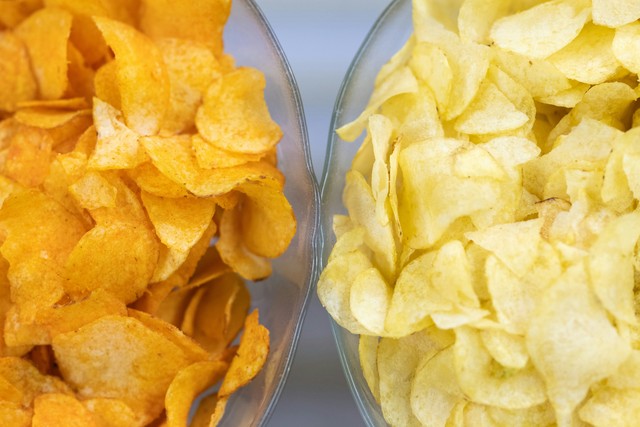
You’ve probably heard the popular story about chef George Crum (also known as Speck), who in 1853 supposedly got annoyed with a picky customer — possibly millionaire Cornelius Vanderbilt — at Moon’s Lake House and sliced potatoes paper-thin out of spite. It’s a great story — but mostly a myth. Recipes for thin fried potato slices had already appeared in cookbooks in the early 1800s.
Crum, a talented chef of African American and Native American heritage, likely helped popularize “Saratoga Chips” in the region. Some historians even believe the real inventor may have been his sister, Kate Wicks, who also worked in the restaurant and was described in her 1924 obituary as the “original creator of potato chips.” Either way, without those crunchy slices, the world of fast food would be far less exciting.
Nutella
© Ari Dutilh / Unsplash
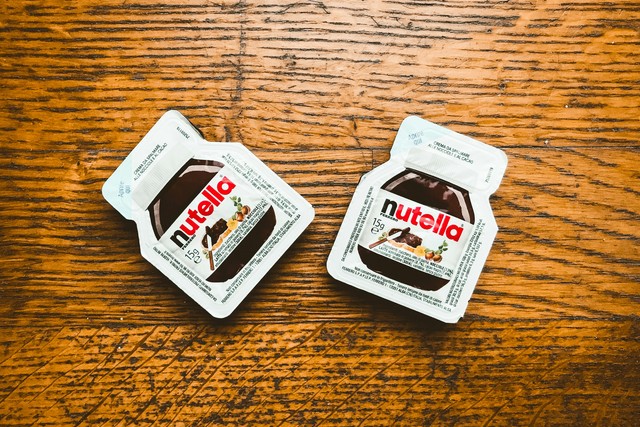
After World War II, cocoa was scarce in Italy and chocolate was expensive. Confectioner Pietro Ferrero from the hazelnut-rich region of Piedmont decided to improvise. In 1946 he mixed large amounts of cheap hazelnuts with sugar and a small amount of cocoa.
The result was a solid block called Giandujot, which people sliced and spread on bread. Children loved it. Parents loved the price. In 1951 the recipe was improved into a soft spread called Supercrema, and in 1964 Pietro’s son Michele Ferrero renamed it Nutella. Today the Ferrero empire sells the spread worldwide.
Coca-Cola
© Gastro Editorial / Unsplash
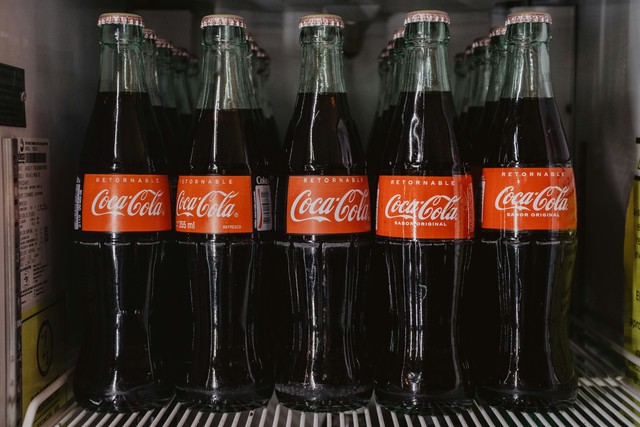
In 1886, Atlanta pharmacist John Stith Pemberton wasn’t trying to invent soda. He was looking for a remedy for headaches and morphine addiction (which he himself suffered from after being wounded in the American Civil War). He mixed extracts from coca leaves (which then legally contained cocaine) and kola nuts with sugar syrup.
Because Atlanta had introduced alcohol prohibition, he created a non-alcoholic tonic. The syrup was designed from the start to be mixed with carbonated water at pharmacy soda fountains. The drink sold for 5 cents a glass as a cure-all remedy. Ironically, in its first year it sold only about nine servings a day. Today, Coca-Cola is one of the most recognizable brands on Earth.
Cornflakes
© David Streit / Unsplash
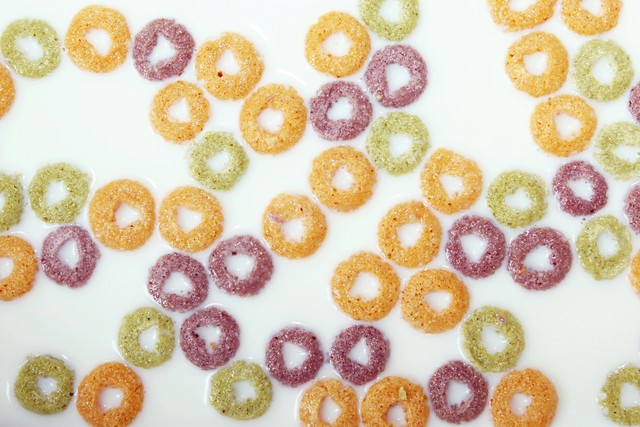
In the 1890s, brothers John Harvey Kellogg and Will Keith Kellogg experimented with vegetarian diets at a health spa in Battle Creek, Michigan. One day they accidentally left cooked grain dough sitting overnight. By morning it had dried into lumps. Instead of throwing it away, they rolled it through machines, creating thin flakes.
They toasted them — and a breakfast classic was born. By 1906, Will founded the Kellogg Company and added sugar for flavor. Without that kitchen mistake, cereal breakfasts might never have become a global habit.
“Smart Dust”
© Andre Mouton / Unsplash
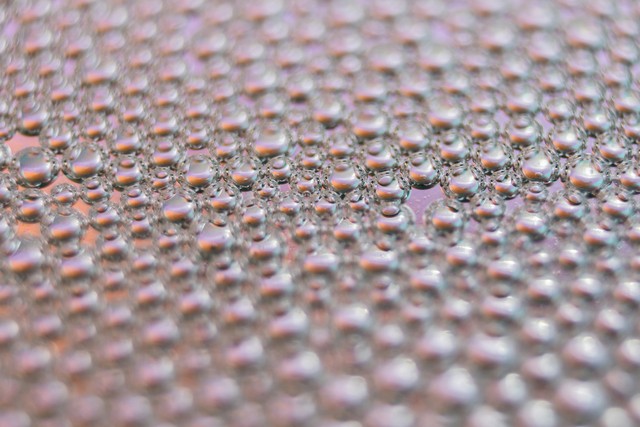
In 2003, chemistry graduate student Jamie Link at University of California, San Diego was working with a porous silicon chip used in chemical sensors. During the experiment, the chip accidentally broke. Instead of panicking, she noticed that the tiny fragments still reacted to chemicals like complete sensors. This observation helped inspire the concept of smart dust — microscopic devices capable of monitoring environmental conditions.
The idea had earlier been developed at University of California, Berkeley under engineer Kris Pister with support from DARPA. Today similar technologies are used in medicine, including nanoparticles that help detect tumors or deliver drugs directly to cancer cells.
Teflon
© Rob Wicks / Unsplash
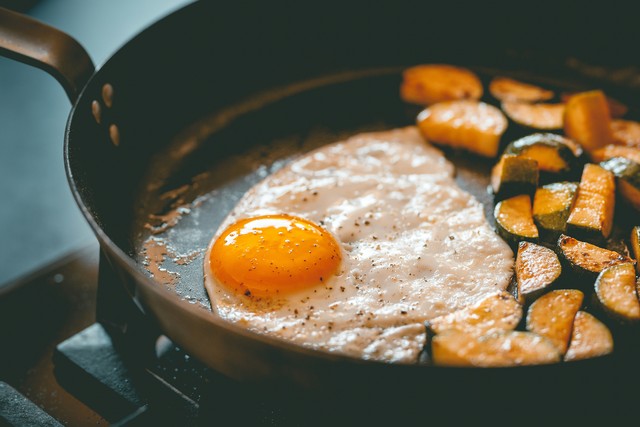
In 1938, chemist Roy J. Plunkett at DuPont was researching safer refrigerants. When he opened a gas cylinder one morning, the gas seemed gone — but inside was a white waxy powder. It turned out to be polytetrafluoroethylene (PTFE) — a material extremely resistant to heat, cold, and chemicals.
Initially it was used secretly in the Manhattan Project. Later it became the non-stick coating used in cookware worldwide. Without that mysterious “missing gas,” frying pans might still be a nightmare to clean.
The Microwave Oven
© Erik Mclean / Unsplash
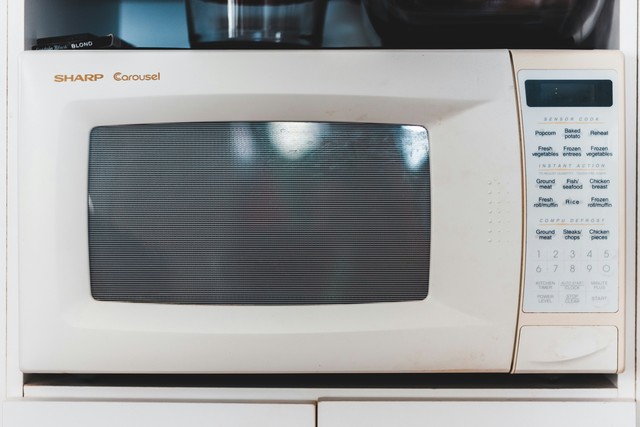
In 1945, engineer Percy Spencer at Raytheon was testing a magnetron used in radar systems during World War II. While standing near the device, he noticed the chocolate bar in his pocket had melted. Curious, he placed popcorn kernels nearby — they popped instantly.
He realized microwaves could heat food by vibrating water molecules. Raytheon released the first microwave oven, Radarange, in 1947. It weighed about 750 pounds and cost around $5,000. By the 1970s, compact household models changed kitchens forever.
Penicillin
© Samantha Gilmore / Unsplash
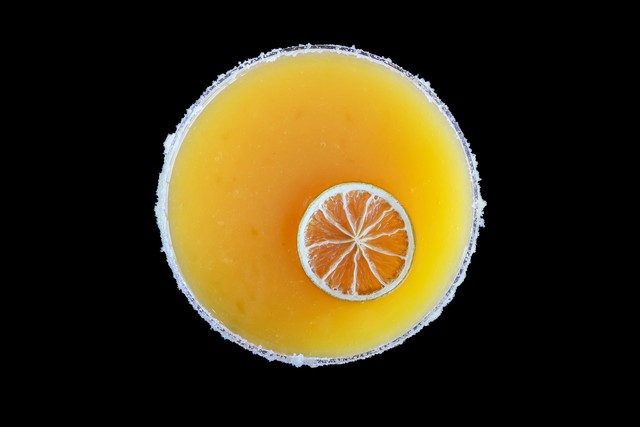
In 1928, Scottish scientist Alexander Fleming returned from vacation to find mold growing in a dish containing bacteria. The mold — Penicillium mold — had killed the surrounding bacteria. Fleming realized he had discovered the world’s first antibiotic: Penicillin.
Later developed for mass production by Howard Florey and Ernst Boris Chain, the drug saved millions of lives during World War II and revolutionized medicine.
Velcro

© SJ / Unsplash
In 1941, Swiss engineer George de Mestral returned from a walk and noticed burrs stuck to his pants and his dog’s fur. Examining them under a microscope, he saw tiny hooks that clung to fabric loops. This inspired the invention of Velcro (from “velvet” + “crochet”).
After years of development, it entered mass production in 1955. It was first used in space programs by NASA and later became common in shoes, clothing, and equipment.
Popsicles
© Lindsay Moe / Unsplash
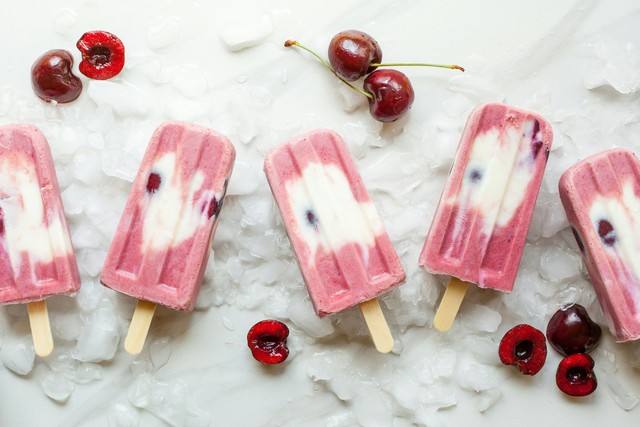
In 1905, 11-year-old Frank Epperson mixed powdered soda flavoring with water and stirred it with a wooden stick. He accidentally left the cup outside overnight on his porch. The temperature dropped, freezing the mixture solid around the stick. Frank ate it the next morning as a frozen treat.
Years later, in 1923, he patented the invention and began selling it under the name Epsicle. Children soon started calling it a Popsicle — short for “Pop’s icicle.” And that’s how a forgotten drink became one of the world’s favorite summer treats.
image on top: SS Hood / Unsplash