
Renovation isn’t always about paint or wall panels — sometimes it’s all about wallpaper. And if you’ve decided to hang wallpaper yourself for the first time, it’s only natural that this important change to your home’s interior fills you with a mix of shock and excitement.
For someone facing wallpaper installation for the first time, it’s perfectly normal to lose sleep over a flood of very reasonable DIY questions. Which wallpaper is best to choose? Is it better to buy wallpaper online or in a specialty store? How do you avoid damaging the plaster? And how do you actually hang wallpaper correctly? And this is far from the full list of worries that can keep you up at night.
At first glance, all these challenges may seem overwhelming and might push you to abandon the idea of a DIY renovation altogether and start looking for a professional construction crew. But in reality, that’s not necessary. Hanging wallpaper at home isn’t nearly as complicated as it may seem. Today, AdmiGram.com answers the most important questions you’ll face if you decide to wallpaper your walls on your own.
How to Choose and Hang Wallpaper Correctly
Which Wallpaper to Choose and Where to Buy It

The modern wallpaper market offers a huge variety of options to suit any purpose or need. Experts recommend starting with aesthetics — choose wallpaper you genuinely like. The second key factor is quality.
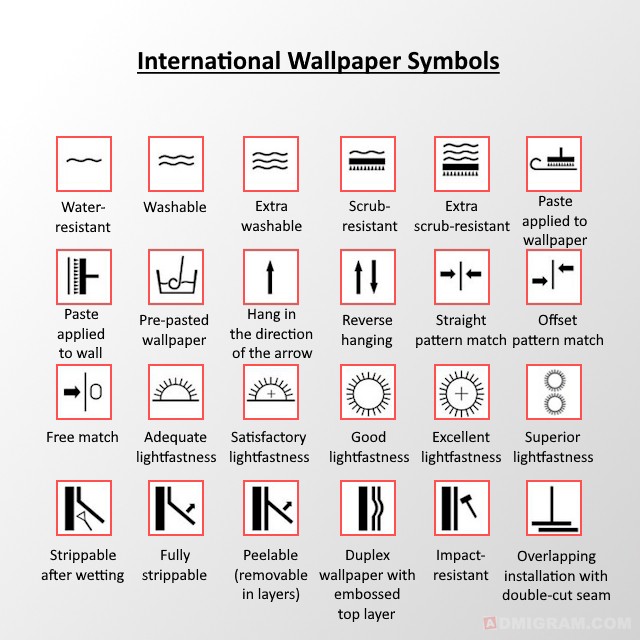
High-quality wallpaper rolls always include the following information:
- Manufacturer details
- Batch or lot number
- Pattern repeat (rapport)
- Material composition
- Pattern direction
Before purchasing, be sure to inspect the rolls carefully. All rolls must come from the same batch, have transparent protective packaging, and match in size and weight. Ask the salesperson to unwrap two or three rolls. Make sure the color is applied evenly, the pattern has no scuffs or streaks, and the edges of the wallpaper are free from cracks or tears.
Professionals strongly recommend buying wallpaper only from specialized stores. These retailers usually offer a wide selection and provide a renovation-related guarantee. Most of them allow returns or exchanges if needed. Always buy two or three extra rolls from the same batch. This gives you a safety margin in case of mistakes and allows you to repair damaged sections later on if needed.
The Most Common Types of Wallpaper
Paper Wallpaper
Ideal for dry living spaces.
Pros:
- The most affordable option
- Breathable
- Can be applied with any standard wallpaper paste
Cons:
- Fades quickly in sunlight
- Not very durable
- Extremely sensitive to moisture
Vinyl Wallpaper
A modern replacement for traditional paper wallpaper.
Pros:
- Resistant to water, dirt, and mold
- Hides minor wall imperfections well
- Less affected by sunlight than paper wallpaper
Cons:
- Cheap vinyl wallpaper doesn’t allow walls to breathe
- Seams can be difficult to align, as the wallpaper shrinks while drying
Non-Woven (Fleece) Wallpaper
Perfect for perfectionists and neat freaks, but not ideal for allergy sufferers.
Pros:
- Durable, fire-resistant, and eco-friendly
- Very easy to install, provided the walls are perfectly prepared
Cons:
- Collects dust that’s difficult to remove
- Often damaged by pets or small children
Textile Wallpaper
A great choice if you love luxury.
Pros:
- Elegant, luxurious appearance
- Fits almost any interior style
- Can last 25–30 years with proper care
Cons:
- Very expensive
- Absorbs odors easily
- Requires extremely careful installation
- Walls need to be vacuumed twice a month
What Else You Need to Know Before Hanging Wallpaper Yourself

The first and most important rule of wallpaper installation is safety. All work must be done in a fully de-energized room — turn off the electricity completely. Be sure to familiarize yourself with local safety regulations regarding finishing and plastering work before you begin.
Before hanging wallpaper, the walls must be properly prepared. They should be leveled, filled with putty, and sanded smooth. After that, apply a special primer. Primer ensures even absorption of the wallpaper paste across the entire wall surface.
Wallpaper paste is typically made from modified starch, methylcellulose, or PVA. Modern wallpaper adhesives often contain anti-fungal additives and a color indicator that temporarily tints the wall during application. When buying wallpaper, always ask the seller which adhesive is best for your specific type.
Once the walls are ready, mark them out. Usually, marking starts from the left edge of a window or the left corner and proceeds counterclockwise. Measure the width of a wallpaper strip from the starting point and mark a guide using a plumb line. The line must be perfectly perpendicular to the floor.
After marking, start cutting the wallpaper. Each strip should be cut so it is about 6 inches (15 cm) longer than the distance from the top of the wall to the floor. Always match the pattern before cutting. To avoid confusion, number each strip in order.


