
Many of us have wondered how much more we could accomplish if we could sleep less — or not sleep at all. After all, we spend about one-third of our lives unconscious under a blanket.
But things aren’t that simple. Even today, scientists still can’t fully explain the nature of sleep. Most of what we know comes from experiments that confirm or disprove different theories. Studies on both humans and animals answer only part of the questions researchers are still trying to solve.
What is known for sure is that the longest scientifically documented case of intentional sleep deprivation lasted exactly 264 hours — 11 full days. The experiment took place in 1964 at the U.S. Navy hospital in San Diego. The volunteer was 17-year-old Randy Gardner, who stayed awake for those 264 hours. AdmiGram.com breaks down the most fascinating results of this extremely dangerous experiment.
What Happens to Your Body Without Long-Term Sleep
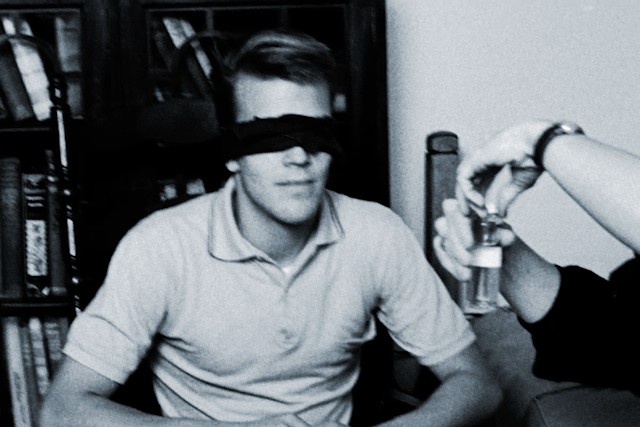
© Guinness World Records / YouTube
After the first sleepless night. You’ll feel strangely energized. That temporary “boost” comes from a huge spike of dopamine triggered by lack of sleep. You’ll feel upbeat, more active, even a bit flirtier.
After the second night. It’ll feel like a severe hangover. Your brain will begin shutting down key cognitive mechanisms one by one — those responsible for decision-making and evaluating consequences. Your reaction time will plummet, your vision will blur, and your speech will get slightly slurred.
On the third night. Your glucose metabolism and immune system will be seriously disrupted. You’ll start experiencing the first auditory hallucinations. Even simple tongue-twisters will become impossible to pronounce.
Four days without sleep. Irritability will spike. Memory and concentration will break down. Nausea and nervous tics will appear, alternating with vivid auditory hallucinations.
On the fifth day. The first visual hallucinations will kick in, along with extreme irritability. You’ll likely experience nausea, digestive issues, intestinal discomfort, and diarrhea.
On the sixth night. Muscle cramps and limb tremors will begin. Your speech will slow down dramatically. Memory will start failing in noticeable ways.
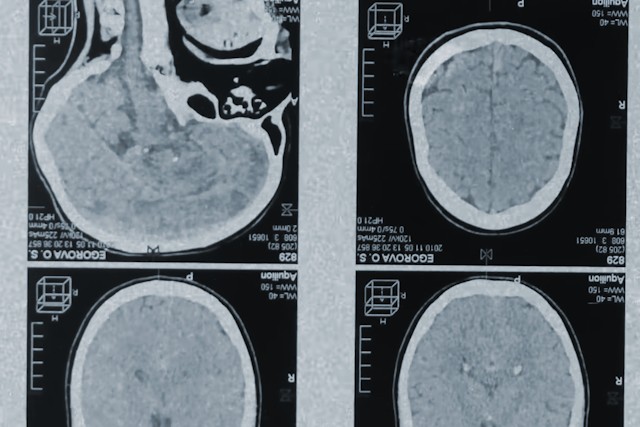
© Guinness World Records / YouTube
Seven days without sleep. You’ll be extremely vulnerable to infections as your immune system practically collapses.
On the eighth night. Your mental state will resemble clinical depression with sudden emotional spikes similar to dissociative disorders.
Nine days without sleep. Vivid visual hallucinations will intensify. You’ll struggle to form basic sentences. Your speech will become unclear and disorganized.
On the tenth night. Your sense of self and reality will nearly disappear. Thoughts will come in fragmented, disjointed bursts. You’ll feel close to fainting.
Eleven days without sleep. You’ll enter a state of overall numbness and emotional detachment from everything around you. The condition will resemble clinical delirium.
It’s important to understand that this experiment was extremely dangerous for any human being. It ended only when Randy finally fell asleep — sleeping for almost 15 hours straight.
image on top: Fight Club / Fox 2000 Pictures


