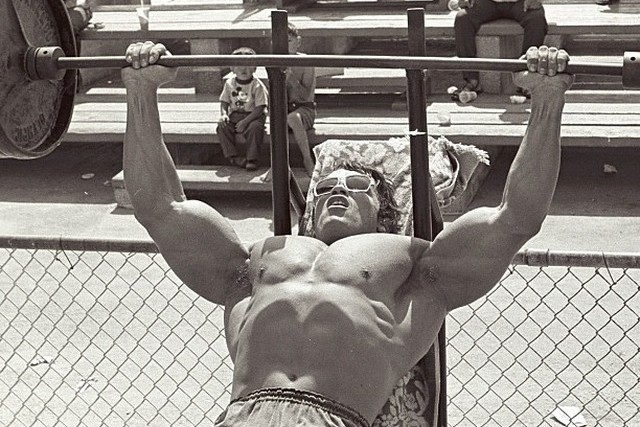
In a world where technology fuses with the human spirit, esports stands out as a bold new arena of competition. Picture this: millions of fans glued to their screens, hearts racing in sync with every click of a mouse. What’s at stake isn’t just victory — it’s glory on par with Olympic gold.
Esports isn’t “just playing video games.” It’s a sport in the purest sense — an arena where mind, reflex, and willpower clash in epic battles. AdmiGram.com dives into why esports deserves a place beside football, chess, and track and field — and how it’s inspiring a new generation of champions.
Is Esports Really a Sport? Let’s Shatter That Stereotype
Lightning Reflexes: Milliseconds That Decide Fate
© dhvlccrew / Flickr
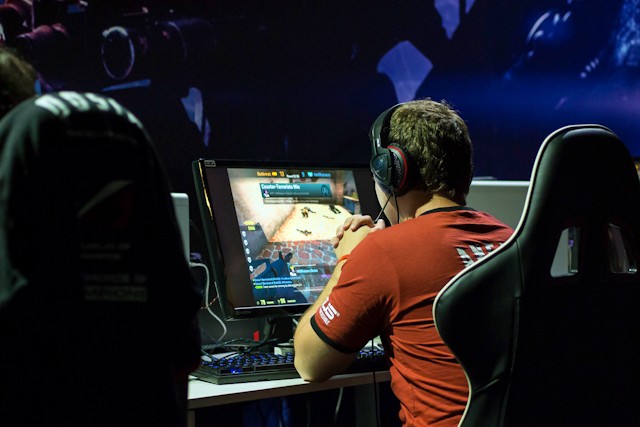
In traditional sports like tennis or boxing, athletes train their bodies to react in fractions of a second. In esports, that same intensity is channeled through mind and reflex, not muscle. In games like Counter-Strike or Valorant, pros make life-or-death decisions in 150–200 milliseconds — spotting an enemy, aiming, firing, and taking cover — faster than a blink.
Take chess, for example — officially recognized as a sport. No physical strength required, yet it’s all about mental speed. Grandmasters like Magnus Carlsen process multiple outcomes in seconds during blitz matches where one misstep means defeat. Esports works the same way: in Dota 2 or League of Legends, a single delayed move can cost an entire match.
Studies show that pro players react 20–30% faster than average humans, honed by thousands of hours of practice. This isn’t “playing computer games.” It’s the evolution of human reflexes in the digital age.
Strategic Thinking: Football on Steroids
© Jakob Wells / Flickr
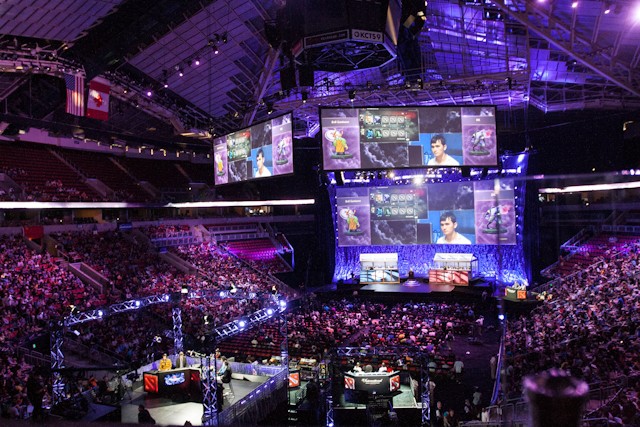
If American football is a war of playbooks and tactics, then esports is strategy in real time. In MOBA games, teams craft playstyles based on data from hundreds of matches — hero picks, map control, timing, flanking maneuvers — like an NFL playbook adapted for digital chaos.
Pros like Faker (T1, League of Legends) or s1mple (NAVI, CS:GO) are the digital quarterbacks of their era — reading the field, calling audibles mid-fight, and outsmarting opponents with precision. Their training involves reviewing replays frame by frame, just as NFL coaches dissect every yard of a play.
These aren’t button mashers — they’re tacticians running multidimensional chess matches in real time. And when it all clicks, the result is pure triumph: tournaments like The International boast prize pools topping $40 million — proof that strategy beats chaos, and that mental brilliance can be worth its weight in gold.
The Grind: The Invisible Battle

© talflyaizik, t1_oner via Instagram
“Sitting at a computer isn’t a sport!” skeptics say. But pros train 12–16 hours a day, with blistered hands, sore backs, and strained eyes. Many incorporate yoga, gym workouts, and strict diets just to endure the physical and mental toll.
This isn’t just about mouse clicks — it’s about pressure, burnout, jet lag, sponsorship drama, and mental endurance. The stress of performing for millions, the grind of travel, the heartbreak of losses — all real, all grueling.
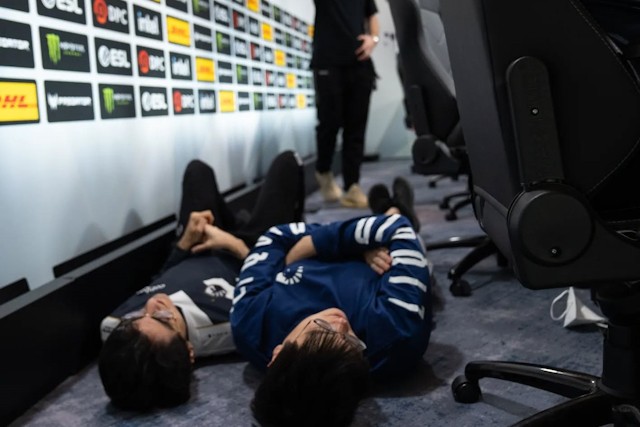
And yet, those who rise again — like Team Liquid’s legendary comebacks — remind us that true sport isn’t about avoiding failure, but conquering it.
Teamwork: Stronger Than Steel
© tarmanydyn via Instagram
Sports aren’t just about solo heroes — they’re about teams that move as one. In basketball or volleyball, players anticipate each other’s moves without words. Esports takes that synergy to a new level.
In Overwatch or Rainbow Six Siege, five players coordinate every move through voice comms — one tanks, another flanks, all working in perfect sync. A single mistake can bring the whole squad down.
Just like bridge or doubles chess — both recognized as sports — trust and communication are everything. Teams train in bootcamps, living and practicing together for weeks, sharpening not just skills but empathy, leadership, and resilience. Those qualities extend beyond the screen — they build real-world leaders.
Why It Matters: Inspiring a New Generation
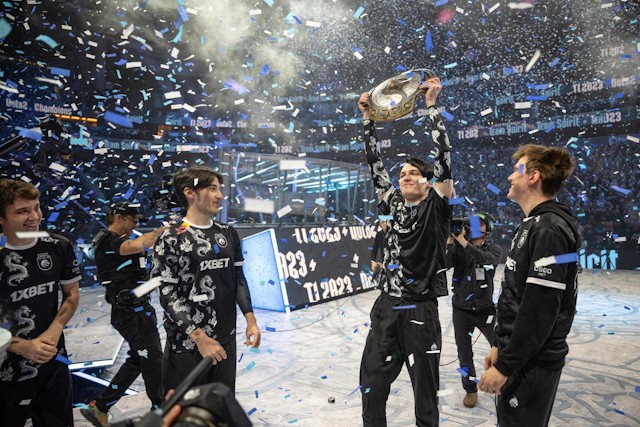
© team__spirit via Instagram
Esports is a bridge between the virtual and the real — a place where ordinary teens become global icons, earning millions and inspiring billions. It proves that sport evolves with humanity itself. Chess became an Olympic discipline in 1924, despite no physical exertion. Olympic shooting, curling, and badminton — they, too, are about precision and focus, not brawn.
Esports is already recognized by the Asian Games and is set to debut at the 2028 Olympics. It’s not about the past — it’s about Generation Z, who know that strength lies in the mind and victory comes through perseverance.
Esports is the call to a new arena. Train, believe, and play with heart — because in a world that’s constantly changing, the true champions are those who adapt and rise. Victory isn’t a fantasy — it’s a reality, waiting for anyone with a keyboard, a mouse, or a controller. Game on.
image on top: Team Liquid