
If you’re like most first-time plant parents, you’re probably choosing between a cactus or an orchid. Sure, cactuses are low-maintenance — but when you buy an orchid, it can be a shock to discover that its once-beautiful leaves are drooping — or worse, wilting.
Yes, orchids are stunning — but they also demand careful attention. A small misstep in care can send this elegant plant into decline. To prevent that, AdmiGram.com is here to walk you through the key care rules to keep your orchid healthy and blooming regularly.
Why Is Your Orchid Wilting and How to Save It
When Should You Worry That Your Orchid’s Leaves Are Wilting?
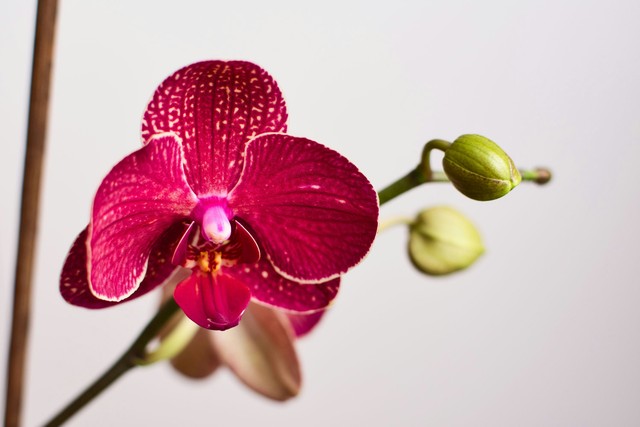
© María Ten / Unsplash
It’s normal for one or two of the bottom leaves to yellow and drop — that’s just the plant recycling nutrients. Don’t pull them; let them fall on their own.
But if all the leaves are soft and limp — or if they look dull, yellowed, or wrinkled — that’s a serious sign. Healthy orchid leaves should feel firm and springy and be a vibrant green. If they’re soft or discolored, it’s time to act fast.
What to Do Immediately When the Leaves Start Wilting
- Quarantine your orchid for 10–14 days. Isolate it from other plants — on a shelf, a side table, or anywhere away from sunlight and drafts.
- Avoid feeding or watering until you’ve diagnosed the issue.
- Let it rest and stabilize while you investigate the cause.
Main Reasons Orchids Wilt — and How to Fix Them
1. Root Overheating
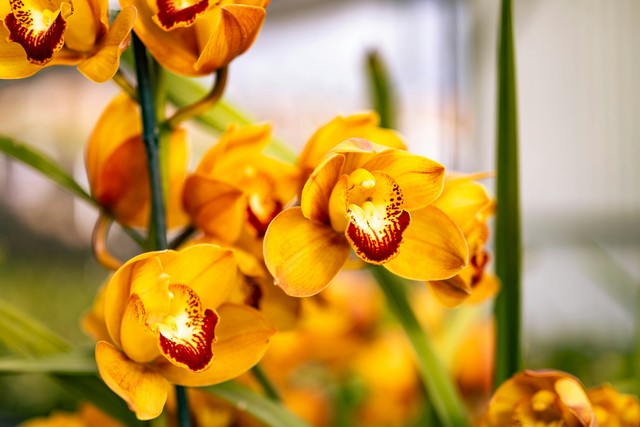
© Samantha Fortney / Unsplash
Orchids thrive in warm, bright spots — but not extreme heat. Direct sun, hot air vents, or kitchen heat can wick moisture from the leaves faster than the cold roots can absorb it. The result: wilting within hours.
Temperatures by orchid type:
- Warm-loving (e.g. phalaenopsis and dendrobiums):
- Day: 59–90°F (15–32°C)
- Night: 59–64°F (15–18°C)
- Daily range: Max of 3–5°F swing.
- Intermediate (e.g. odontoglossums, miltonias):
- Day: 64–72°F (18–22°C)
- Night: 54–59°F (12–15°C)
- Cool-loving (e.g. Australian dendrobiums, paphiopedilums):
- Day: 72°F (22°C)
- Night: 54–59°F (12–15°C)
Most store-bought orchids will be happiest between 64–80°F (18–27°C) by day and 55–75°F (13–24°C) by night.
2. Compacted Substrate
The soil mix is crucial for healthy roots. Poor or old substrate compacts, cutting off airflow. Without oxygen, roots can’t breathe — and when that happens, leaves wilt fast. Refresh your mix periodically to keep roots thriving. A substrate clogged with decay, fungus, or pests speeds things along — so don’t wait too long!
3. Low Humidity
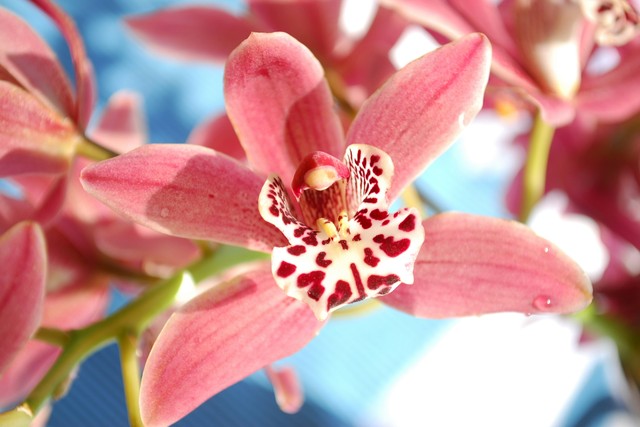
© Tino Ferreira / Unsplash
Dry soil and air are dangerous for orchids. Some growers use tall, narrow pots to help maintain moisture — but no set watering schedule works for every orchid. These plants are still “remembering” their tropical origins, where roots would stay moist but never waterlogged.
They need to dry out between waterings — but not too much. Dry, firm roots are normal, but mushy brown or slipperyslipping roots mean root rot.
4. Excess Humidity
Conversely, too much moisture traps dampness. If the pot has too few holes or the mix stays too wet, roots will suffer. Orchid drying times can vary — drying in 7 days one month, but 14–18 days during humid, rainy seasons.
Pro tip: Use a chunky, breathable potting mix and a pot with good drainage. This gives room for root airflow while allowing you to better control watering frequency.
5. Pest Infestation (Beetle Larvae)
Sometimes wilting is due to pests — like click beetle larvae nestled in the soil around young roots. They damage the roots, preventing uptake of water and nutrients.
What to do: Gently wash the roots and move the orchid to fresh, sterile substrate. After repotting, wait 10–14 days before watering again to let the roots recover.
Quick Summary

© Timo C. Dinger / Unsplash
- Isolated, alert, and patient: Always quarantine first and assess the issue before resuming regular care.
- Watch temperature extremes: Orchids hate heatwaves — and cold roots alike.
- Refresh soil mix regularly — airflow matters.
- Avoid overwatering or underwatering — let roots breathe between waterings.
- Check for root rot or pest damage — healthy roots are your priority.
Follow these care principles and your orchid will reward you with health, vibrancy, and plentiful blooms.


