Ever scrolled through social media and thought, “Is everyone else living a better life than me?” Your buddy’s lounging on a tropical beach, your old coworker’s showing off a brand-new car, and your second cousin just posted a selfie with a celebrity. Seriously — why does it seem like everyone is happier, richer, and more successful than you?
Spoiler alert: You’re not alone. That feeling is the result of a well-documented phenomenon called the Friendship Paradox, and it might just change how you view social media — and your friends. Let’s break it down with the help of science and a few hard truths from the team at AdmiGram.com.
Why Friends Seem Happier: The Science
So, what exactly is the Friendship Paradox?
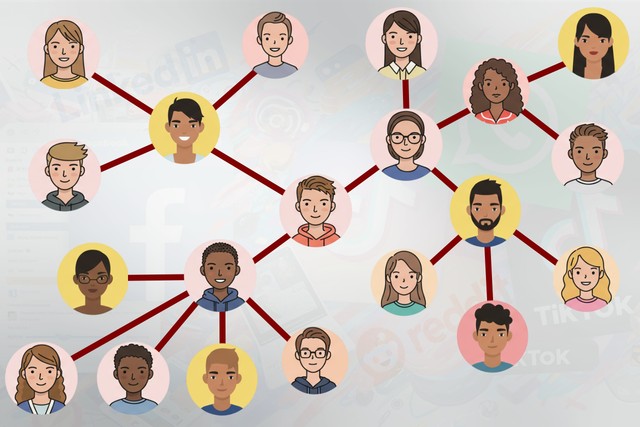
Here’s the deal: You’ve got friends — both IRL and online. But when you look at their profiles, it seems like they all have way more friends than you do. Guess what? That’s not just a feeling — it’s statistically true.
Researchers have shown that, on average, your friends really do have more friends than you. It’s not because you’re unpopular — it’s simply how networks work. And it doesn’t just mess with your perception of popularity. It warps how you view happiness, success, and even self-worth.
The math behind the envy

© Ernest Malimon / Unsplash
This phenomenon comes from graph theory, a field of mathematics that studies networks and how people connect. In every social circle — online or offline — there are a few people with way more connections than others. These “stars” skew the whole perception of reality. Let’s say your friend posts a picture with someone famous. Boom — suddenly they seem way cooler.
But here’s the catch: they probably just bumped into that person, snapped a photo, and moved on. No deep connection. No actual fame or fortune involved. But in your mind, that friend just leveled up. That’s the Friendship Paradox at work — you’re seeing the tip of the iceberg and assuming there’s an entire cruise ship underneath.
Why Social Media Warps Our Sense of Reality
© June Aye / Unsplash
There’s another concept at play here, called the False Momentum Effect (or what we might call the “Vector of Illusory Inertia”).
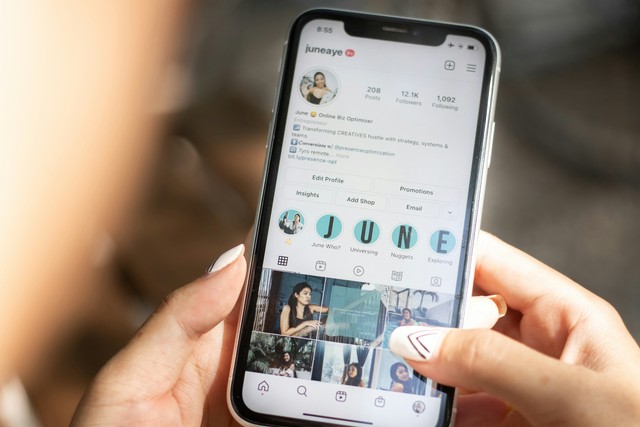
Because your friends tend to have more social connections, they’re statistically more likely to be near something exciting — a party, a vacation, a famous person, a big event. And when they post about it, you think: “Why is their life so amazing while mine feels… meh?”
Your brain falls for the illusion. You begin to feel behind — like you’re missing out. But here’s the kicker: those same friends you’re jealous of are doing the same thing. They’re scrolling their feed, comparing their lives to someone else’s curated version of perfection — and feeling just as inadequate. It’s an endless cycle of envy where everyone’s comparing themselves to everyone else… and no one actually wins.
What Can You Do About It?

© Ilyuza Mingazova / Unsplash
Here’s what researchers suggest: spend less time on social media. That endless scroll through filtered photos and highlight reels? It’s not doing you any favors. It’s like window shopping for a life that doesn’t really exist. Remember: social media is a storefront, not a documentary.
Behind every perfect photo is a messy, imperfect human — just like you. So the next time you catch yourself thinking everyone else is living their best life, take a breath, put down the phone, and remind yourself: You’re seeing the show, not the backstage.
image on top: Raghu Nayyar / Unsplash