We’ve all been there — you’re baking a delicious pie, cake, or pastries, hoping to surprise your loved ones with a homemade treat… and suddenly, the bottom is burnt while the top is still raw. Frustrating, right?
To understand why this happens and how to fix it, AdmiGram.com breaks down the most common reasons your baked goods get scorched — and offers practical tips to help save your dessert and your day.
Why Is My Pie Burning in the Oven?
It’s All About the Oven: How to Handle a Gas or Electric Oven
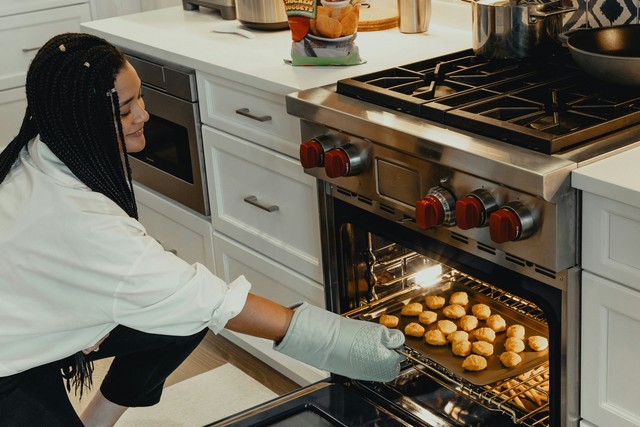
© Tyson / Unsplash
One of the main challenges with gas ovens is that they heat only from the bottom. This often causes uneven baking — the bottom gets too hot, while the top stays undercooked. Even a convection fan might not fully fix this issue.
Electric ovens tend to be better for baking, but they’re not perfect. In budget models, heating elements may be located only at the top or bottom, creating uneven heat distribution. On top of that, electric ovens lose heat quickly when the door is opened, and then rapidly overheat while trying to recover — often leading to scorched bottoms.
Tricks to Save Your Baked Goods
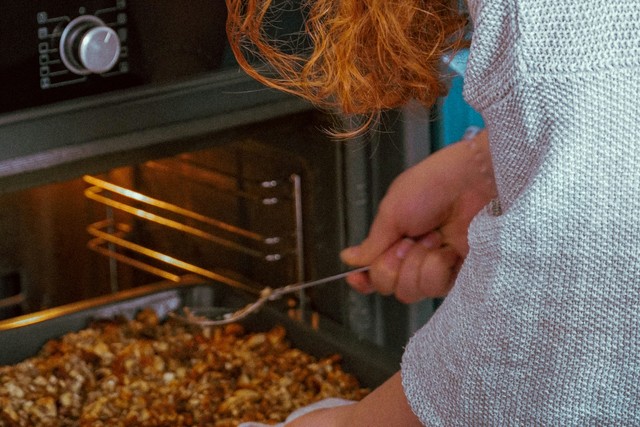
© Oksana Z / Unsplash
Here are a few tried-and-true methods to help your baked treats cook evenly:
Use a Baking Stone. A baking stone (made from fireclay) holds and evenly distributes heat. Placing one in your oven helps regulate temperature and prevent hot spots. It acts as a heat buffer, keeping your baked goods from burning underneath.
Try Table Salt. If you don’t have a baking stone, pour a box of regular table salt into a baking tray and place it on the bottom rack of your oven. Salt absorbs excess heat and helps distribute it evenly, protecting your baked goods from burning. Salt won’t spoil, so you can leave it in your oven for months. Cheap and effective!
Add a Tray of Water. For fast-baking recipes, place a heatproof dish with water on the lower rack, beneath your main tray. The water creates steam and helps even out the temperature — especially useful for quick-bake recipes or pastries.
More Tips for Preventing Burnt Bottoms
Mistake #1: Using a Drip Tray Instead of a Baking Tray
© Rai Vidanes / Unsplash
Many ovens come with a metal tray designed to catch grease — not for baking. Make sure you’re using a proper baking tray, which allows for better heat flow.
Mistake #2: Not Preheating Properly
Always preheat your oven for 15–20 minutes at maximum heat before baking. Once preheated, place your dish on the center rack and reduce the temperature as needed.
Leave enough space around the baking tray for hot air to circulate. And avoid opening the oven door — use the light and window to check progress.
Mistake #3: Baking at the Wrong Temperature
If your recipe doesn’t specify a temperature, here are general guidelines:
- Flat pies, buns – 410–430 °F (210–220 °C)
- Deep pies, pies with filling – 375–390 °F (190–200 °C)
- Meat – 355 °F (180 °C)
- Meat in foil – 390 °F (200 °C)
- Fish – 300–355 °F (150–180 °C)
- Pizza – 430 °F (220 °C)
- Lasagna – 390 °F (200 °C)
- Meringue – 285 °F (140 °C)
May your baking always be beautiful, delicious, and bring smiles to your loved ones!
image on top: Nadiia Ganzhyi / Unsplash