Do you remember the sound of a dial-up modem — the high-pitched, crackling ritual that, in the early 2000s, opened the door to an incredible digital universe? Back then, web pages took minutes to load, and downloading your favorite MP3 song was a real test of patience.
That “old” internet was incredibly slow, yet somehow it felt much “smarter” than today’s. It was awe-inspiring, it answered all our questions, and it was truly something special. Why is the internet so different now, and what has caused the degradation of information’s value in the modern web? AdmiGram.com will break it down for you.
Why the “slow” internet was “smarter” than today’s
The old internet was more human
Back in the ’90s, the internet was filled with enthusiasts rather than corporations. It was a space full of genuine passion: fan sites dedicated to beloved bands, forums where people discussed their hobbies, and personal web pages that told the true stories of their creators.
Search engines like AltaVista or Yahoo provided lists of links where, next to a useful article, you might also stumble upon someone’s quirky but endearing cat blog. That “old” internet wasn’t driven by advertising, SEO, or clickbait — when you clicked a link, you were really opening the door to someone’s authentic, heartfelt world.
The old internet was a community of dreamers
Forums, IRC chats, guestbooks, and GeoCities pages were created by people burning with a simple desire to share. There was no monetization or race for clicks; you could spend hours debating the meaning of life on Usenet or exchanging advice in a cozy corner of the web — without trolls or haters.
People genuinely wanted to share something or just connect with one another. It was a space where everyone could find like-minded souls, whether you were an astronomy buff, a stamp collector, or a fishing fanatic. The internet then shone with human intellect, making it feel alive and almost tangible.
The old internet demanded effort and mindfulness
Slow connections forced us to be selective — we carefully chose what to download or read. It was a time when people delved deeply into content rather than mindlessly scrolling for distractions. Forum discussions were long and meaningful, and chat rooms were hubs for real conversation, often leading to face-to-face meetings.
The old internet demanded rationality, choice, and analysis. We were the captains of an endless ocean of knowledge and curiosity. Back then, no one could have imagined submitting to soulless algorithms that decide what we “want” to see.
The old internet was kind
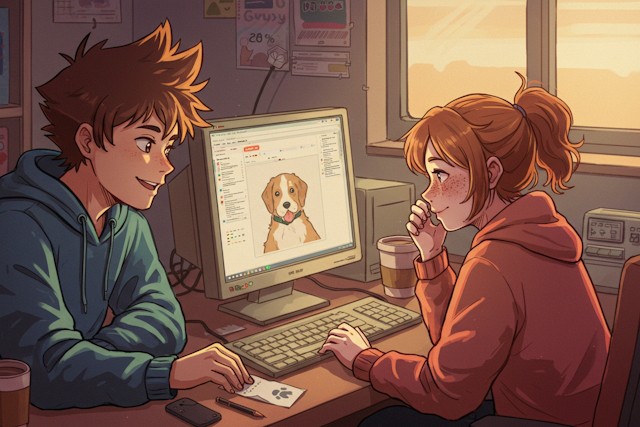
The internet of the past was like a vast college campus where everyone could have their own room and decorate it as they wished. It was a world full of enthusiasm and promises of a better future — a place where boundaries faded and knowledge became accessible to all. People believed the internet would unite the world, and that faith permeated everything they did.
It was a selfless kindness born out of a genuine desire to connect with others in this new, wondrous world. Today, as the web mirrors all our contradictions, that naive kindness seems distant. But back then, it lived in every “hello” in a chat, every homemade website, every saved offline page.
The old internet was full of hope
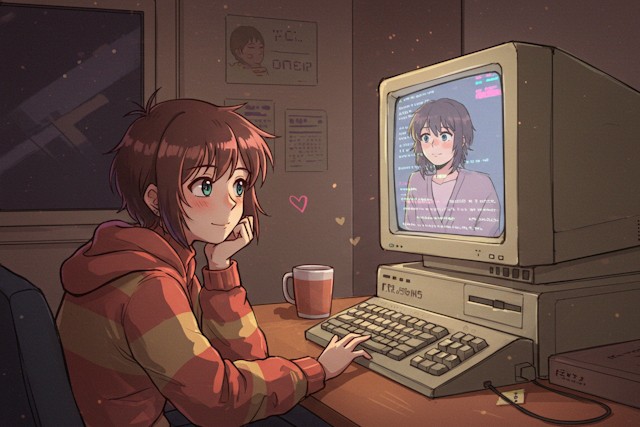
It was a time when people truly believed that the internet would change the world for the better — uniting humanity, making knowledge accessible, and breaking down barriers. The early 2000s were a magical time when science and technology were making breakthroughs, and the internet became their banner.
People believed it would provide access to top-notch education, shatter monopolies on information, and help humanity grow. Today, as the web reflects both our brightest and darkest sides, that hope might seem naive. But back then, it was sincere — the internet was like a sunrise full of possibilities, and we were all its first rays.
image on top: Roujin Z / Tokyo Theaters Co.