
If you enjoy keeping your kitchen beautiful, cozy, and well-organized — or if you’re shopping for cutlery as a gift — this guide is for you. AdmiGram.com has gathered the key principles for selecting and caring for flatware. These days, buying stylish and high-quality cutlery is easy, thanks to the wide variety available online and in stores.
Let’s dive into the world of cutlery, starting with the most important element — the materials used to make them. The most popular materials include stainless steel, nickel silver, wood, plastic, and silver. Each material used for knives, forks, and spoons has its unique characteristics.
Choosing and caring for your cutlery
Materials

© Ludovic Delot / Unsplash
Wood: Wooden utensils are not ideal for daily use. They’re not very durable, absorb moisture, and can wear out quickly. However, they make great decorative items for your kitchen.
Aluminum: Aluminum flatware is inexpensive and durable, but aluminum is a soft metal prone to oxidation. This means aluminum utensils can lose their color and shape in just a few days. They’re rarely sold nowadays but can be handy for camping trips.
Stainless steel: Stainless steel is a relatively inexpensive material known for its strength, hardness, and durability. It’s also easy to clean and maintain. Stainless steel doesn’t react with acids, salts, or alkalis, making it the best choice for everyday use. Look for flatware made of medical-grade stainless steel containing 18% chromium, 10% nickel, and the rest iron.
Nickel silver: Flatware made from nickel silver stands out for its elegant appearance, hardness, and high resistance to corrosion. This alloy, a mix of copper, nickel, and manganese, doesn’t tarnish like pure silver. Nickel silver utensils are considered high-end items.
German silver: A slightly cheaper alternative to nickel silver, German silver is made from copper, nickel, and zinc. German silver cutlery resembles nickel silver in appearance and properties but is often coated with silver, gold, or blackening to prevent a metallic taste in food.
Silver: Silver flatware is hygienic and visually stunning. However, silver is a soft and expensive material, which means utensils made from it can quickly develop dents and scratches. While perfect for special occasions, silver flatware isn’t practical for daily use as it loses its charm over time.
Tips for choosing flatware

© Zak Chapman / Unsplash
For everyday use, prioritize practicality and durability. For special occasions or gifts, design becomes equally important. When selecting cutlery, examine the surface — it should be perfectly smooth and shiny. Matte finishes should also be even and free of rough patches or stains. The smoother the surface, the higher the quality.
Always hold the utensils in your hand before purchasing to ensure they’re comfortable to use. The weight of the fork or spoon should feel balanced. High-quality flatware typically has a thickness of 0.06–0.16 inches (1.5–4 mm) and spoon depths of 0.28–0.4 inches (7–10 mm). Look for reinforced areas on the curves to ensure durability and resistance to bending.
Before buying, review the product’s certification and hygienic approvals. The flatware should be odorless — any noticeable smell indicates poor quality. Forks should not have sharp, jagged, or overly dull tines, and the tines should be polished both inside and out.
Number of pieces and settings
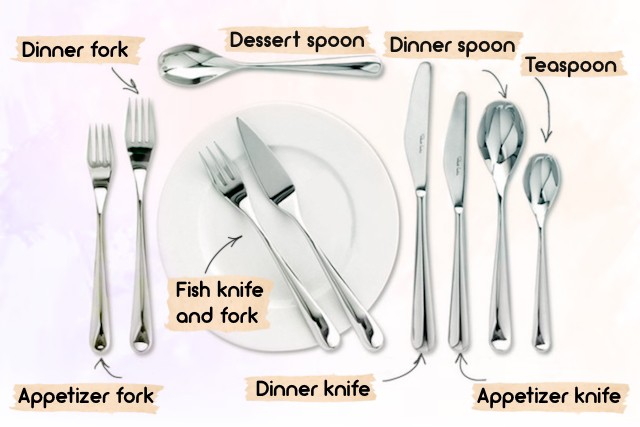
The number of pieces in a set depends on the number of people it serves. A standard set for six people includes 24 pieces: six each of dinner forks, knives, soup spoons, and teaspoons. This is usually sufficient for a family.
Larger sets for 12 people can include 48, 72, 90, or even 126 pieces. These often feature additional utensils such as dessert forks, salad forks, pastry servers, tongs, sauce spoons, coffee spoons, ladles, and more. A 72-piece set is a popular choice for hosting guests.
Caring for your flatware
© Wolfgang Rottmann / Unsplash
Flatware should always be washed immediately after use. Stainless steel utensils can be cleaned with warm water, dish soap, and a soft sponge. They’re also dishwasher-safe. To remove rainbow-like or dark stains, use a solution of vinegar or citric acid.
Nickel silver, German silver, and silver flatware should be rinsed with a baking soda solution (2 oz of baking soda per 2 pints of water / 50 grams of baking soda per 1 liter of water) after washing. Use special cleaning cloths or pastes for polishing. Another cleaning method involves soaking the utensils in a 10% ammonia solution for 15 minutes, followed by rinsing under running water and drying thoroughly. Nickel silver and German silver items should not be cleaned in dishwashers.
Silver flatware must always be washed by hand. It should not be stored with stainless steel utensils, as contact between the two can cause damage. Flatware with plastic handles requires extra attention to the junction between metal and plastic.
Knives should be stored separately from spoons and forks to prevent dulling. Avoid soaking knives in hot water for extended periods, as this can weaken the blade and reduce its sharpness.
By following these tips, your flatware will stay beautiful, functional, and ready for any occasion!
image on top: Monika Borys / Unsplash


