Don’t expect miracles from shampoos, as many of the promises made by manufacturers in advertisements fall into this category. The task of shampoo is to remove dirt from the scalp and hair, doing so with minimal damage. Shampoos cannot reduce hair loss or improve hair growth. However, with informed choices and proper usage, they can at least avoid worsening existing issues.
Shampoo, like any other cleaning product, is designed to wash away the dirt it is meant for. This includes sebum containing particles of dirt and flakes of shed skin. Admigram.com has explored all the nuances of shampoos and will tell you everything you need to know about them so you can master this subject.
How to Choose the Right Shampoo for Your Hair
What Your Shampoo Should Do
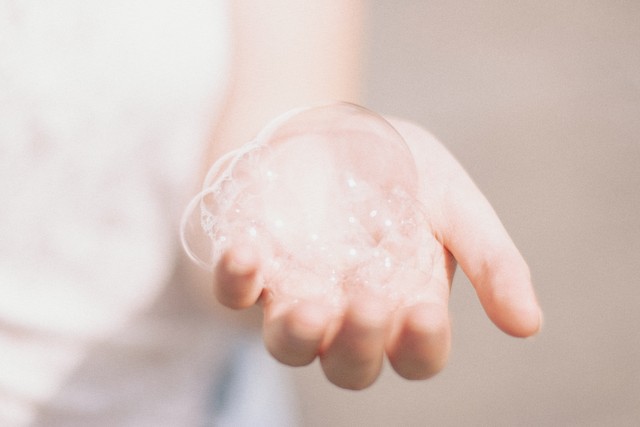
© Matthew Tkocz / Unsplash
Let’s start with the theory. A shampoo should provide the following:
- Hair should be clean and well-rinsed.
- No excess grease should be left on the hair.
- Natural shine should appear on the hair after it dries.
- Hair should be easy to comb and manageable.
- There should be no irritation on the scalp.
The primary component of shampoo is always the cleaning composition. Despite shampoos containing other ingredients such as herbal extracts, proteins, fats, conditioning additives, the main component remains surfactants. So even if supposedly natural components are present in significant quantities, they won’t have time to act.
They will be removed along with the dirt, never reaching their intended target. Manufacturers are well aware of this, so such extracts are usually found closer to the end of the ingredient list, indicating their minimal presence in the shampoo.
A good shampoo should: compensate for the loss of proteins, moisture, and nutrients; increase hair elasticity; protect the hair cuticle and smooth the cuticle scales; not make the hair excessively heavy; have a UV filter; remove static electricity from hair; give the hair a silky feel.
To determine that a shampoo isn’t suitable for you, one or two uses are sufficient. However, to conclude that a shampoo is right for you, it’s necessary to use it regularly for at least a few weeks.
To determine the quality of a shampoo, perform the following test: mix water with shampoo in a glass and let the mixture settle. If a cottage cheese-like sediment appears, then the shampoo is not suitable for use. Shampoos that contain foaming agents such as sodium sulfate or ammonium laureth sulfate should be avoided. The foam they produce does not actually have genuine cleansing effects.
Different Types of Shampoos
© Nefeli Kavvada / Unsplash
In cosmetics and medicine, shampoos are classified into the following types:
Shampoo for oily hair: Contains a large amount of cleaning agents that remove excess grease from the scalp and hair.
Shampoo for normal hair: Contains fewer cleaning agents. It cleans the hair without disrupting the natural release of fats.
Shampoo for dry hair: Contains fewer cleaning agents and includes a moisturizer that prevents excessive dryness of the skin and hair.
Mild shampoo for frequent washing: Very gentle, does not irritate the skin and does not dry out the hair.
Anti-dandruff shampoo: Contains substances that slow down skin cell division and remove dead skin flakes. Excessive use can make your hair dull and dry.
A Few Last Tips

© Han Cheng Yeh / Flickr
Don’t expect shampooing to improve the health of your hair and scalp. All visible effects of its use are only cosmetic and temporary.
The presence of natural extracts in a shampoo’s composition is not a reliable criterion for choosing it. Typically, they have no impact.
Do not place significant emphasis on the vitamins and minerals present in shampoo. You’ll notice a much greater effect from taking vitamin supplements.
The packaging, color, consistency, and scent of the shampoo are not indicators of quality. These are the result of collaboration between chemists and marketers, rather than beauty and health experts.
You need to correctly determine your hair type and buy shampoos accordingly. However, individuals with problematic (dry or oily) hair should focus less on the label and more on the shampoo’s composition.
If you are prone to allergic reactions or have sensitive scalp skin, opt for shampoos without fragrances and dyes.
Shampoos for daily use containing ammonium or sodium lauryl sulfate or laureth sulfate can worsen the condition of the scalp and hair. It’s best to avoid using any shampoo for daily use and try to wash your hair less frequently.
image on top: averie woodard / Unsplash