
Where does inspiration come from, and how can you become more creative? We’re willing to bet that almost everyone who has ever done creative work has asked themselves these two questions at some point.
So where does inspiration actually come from, and why do some people seem to have an endless supply of creative ideas? We at AdmiGram.com decided to ask science. Here’s what we found.
How to Find Inspiration and Become More Creative
Neuroscience: Can’t Find Inspiration? Take a Break
© Tamas Pap / Unsplash
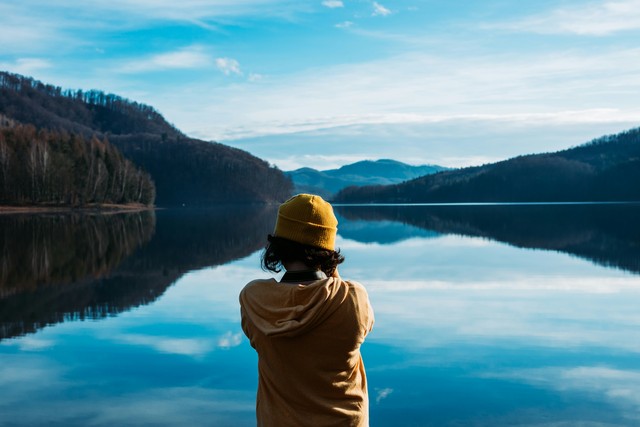
It’s hard to be creative when you feel completely drained. Sometimes the best thing you can do when your mind is stuck is absolutely nothing.
Great thinkers and creators throughout history understood this. Ancient Greek philosophers, Chinese scholars, and Mesopotamian thinkers often spent time in meditation, reflection, or quiet contemplation before taking on something important.
Rest gives your body and mind a chance to reset. It creates space for new ideas, unexpected connections, and those “aha!” moments.
So if nothing is working, don’t force it. Take a real break for a couple of days and come back when you actually feel like creating again.
Psychology: One of the Strongest Sources of Inspiration Is Love

© Guilherme Stecanella / Unsplash
What exactly happens when we fall in love? Science still doesn’t have one simple answer.
We do know that falling in love triggers a complex mix of processes in the brain and body that can dramatically affect our motivation, attention, and emotions.
Throughout history, many artists and creators have produced some of their most memorable work while deeply passionate about someone or something. And the object of that passion doesn’t have to be another person.
Think about Antonio Stradivari and his violins, Carl Fabergé and his jewelry, or Steve Jobs and his obsession with creating revolutionary products. They weren’t simply doing a job — they were deeply invested in what they created.
Want to feel more inspired? Find something you can truly fall in love with.
Medicine: What Do Hormones Have to Do With Inspiration?

© Igor Rand / Unsplash
Hormones play an important role in how we feel, think, and stay motivated. Dopamine, serotonin, and adrenaline are often associated with processes that can influence focus, mood, motivation, and excitement.
Dopamine is involved in motivation and goal-directed behavior. Serotonin helps regulate mood and plays a role in many cognitive processes. Adrenaline can give us a powerful burst of energy and excitement — especially when we’re emotionally charged.
You don’t need to chase a hormonal “high” to become more creative. A much simpler approach is to take care of the basics: stay active, eat reasonably well, get enough sleep, and keep a consistent daily routine.
A healthy body gives your brain a much better environment for creative thinking.
Statistics: How Do You Become Truly Creative?
© Haewon Oh / Unsplash
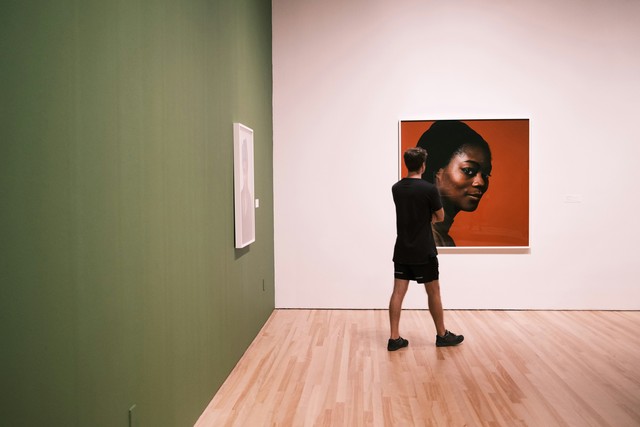
At first, statistics might seem to have nothing to do with creativity. But remember the famous idea often associated with Pablo Picasso: “Good artists copy, great artists steal.”
The point isn’t to literally steal someone else’s work. It’s about understanding where great ideas come from.
Most original ideas are built from a few basic processes: copying, transforming, and combining.
Study the work of talented people. Figure out what makes it effective. Then adapt those ideas, combine them with other influences, and use them to solve your own problems.
The more creative material you absorb and the more actively you work with it, the greater your chances of developing your own creative style.
In other words, creativity isn’t always a mysterious gift that you either have or don’t have. Very often, it’s a skill you can develop by learning, experimenting, and making connections between ideas.
Sociology: Surround Yourself With People Who Inspire You
© Romain Gal / Unsplash
The people around us can have a huge influence on how we think, what we do, and what we believe is possible.
It’s probably harder to suddenly become passionate about creative web design if your entire social life consists of nothing more than chatting with friends over barbecue and beer. That’s an exaggeration, of course — but you get the idea.
Sociologists have long studied how our social environment affects our motivation and behavior. The people we spend time with can expose us to new ideas, skills, ambitions, and ways of looking at the world.
So if you want to become more creative, change your environment.
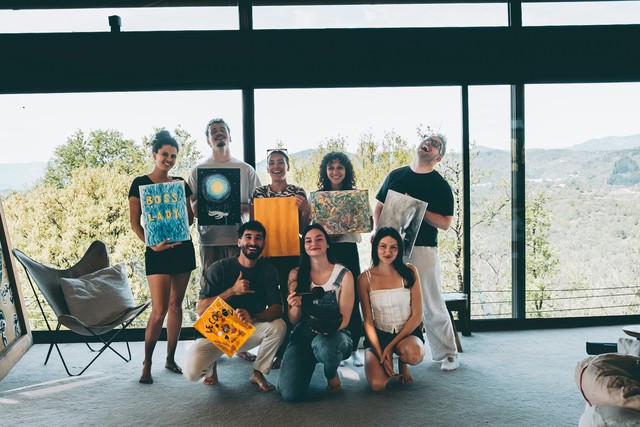
Talk to interesting people. Go to industry events, workshops, lectures, and conferences. Follow creators you admire. Find communities where people are actively making, learning, and experimenting.
Eventually, all those conversations, experiences, and new ideas become the raw material for your own creativity.
Sometimes, the fastest way to find inspiration is simply to put yourself where inspiration is already happening.


