
One of the biggest challenges facing any business? Employee turnover. Every team member who walks out the door takes with them not just time and training, but also potential profits, broken workflows, and — sometimes — knowledge that ends up with the competition.
The truth is, turnover isn’t usually about one person or one moment. It’s the result of deeper, systemic issues in how a business is managed. At AdmiGram.com, we’re breaking down why employees leave — and what you can do to keep your best people right where they belong.
5 Main Reasons Why Employees Leave a Company
Relying on Salary as the Only Motivator

© Kenny Eliason / Unsplash
The Problem: Many leaders assume that a good paycheck means long-term loyalty. But if money is the only thing keeping someone around, they’ll eventually jump ship for a bigger offer.
The Fix:
- Flexible compensation options: Offer equity, profit-sharing, or performance bonuses to key talent — especially in startups or mid-sized businesses.
- Stay market-aware: Regularly benchmark salaries in your industry. If new hires are making more than loyal team members, adjust accordingly to avoid resentment.
- Be transparent and fair: Implement a structured salary grading system (like Mercer or Hay Group) to ensure pay reflects both the market and internal equity.
- Use non-monetary perks: Additional vacation days, flexible hours, or “golden handcuffs” (long-term incentives) can increase retention and satisfaction.
Lack of Career Growth Opportunities

© Rizky Sabriansyah / Unsplash
The Problem: When employees don’t see a future with your company, even a great salary won’t make them stay. According to Gallup, 41% of people who quit cite “lack of career advancement” as the top reason.
The Fix:
- Map out career paths: Audit roles within your company and outline clear development tracks. Maybe your top salesperson becomes a team lead — or at least a senior rep.
- Offer horizontal and hybrid growth: If vertical promotions aren’t available, support development in specialist roles (e.g., Senior Developer → Tech Lead or Architect). Invest in new skills and certifications.
- Personalized development plans: Set quarterly 1:1s with HR and managers to discuss goals. Use PDPs (Personal Development Plans) with clear KPIs and timelines.
- Promote from within: Always offer open roles internally before hiring outside. Build a mentoring program to support in-house growth.
Toxic or Unhealthy Work Culture
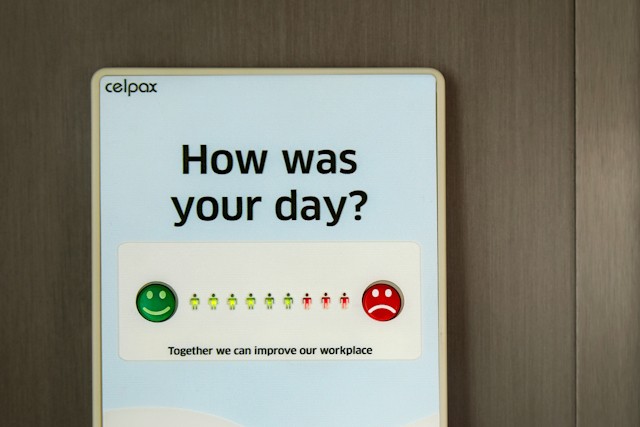
© Celpax/ Unsplash
The Problem: A negative environment, poor communication, or authoritarian leadership can crush morale faster than a low paycheck. SHRM research shows one in three employees quit due to bad management or workplace culture.
The Fix:
- Regularly check the pulse: Send out anonymous culture surveys every 2–3 months using tools like Officevibe, TINYpulse, or Google Forms. Exit interviews should be honest — and useful.
- Support mental well-being: Offer flexible schedules, remote work options, mental health resources, and “mental health days.”
- Train your managers: Provide leadership and emotional intelligence training. Have a clear code of conduct and enforce zero-tolerance policies on bullying.
- Address toxic behavior: If someone is negatively affecting the team, take action. Have the hard conversation — or consider parting ways.
Mismatch Between Expectations and Reality

© Jordi Espinosa / Unsplash
The Problem: Disappointment happens when what was promised (flex hours, career growth, company culture) doesn’t match day-to-day reality.
The Fix:
- Be honest during hiring: Clearly explain the role, responsibilities, and growth path. If you’re a startup, emphasize the fast pace and opportunity for impact. Try realistic job previews or a “trial day.”
- Strong onboarding matters: New hires need to feel supported and know where to turn from day one. Make responsibilities and team structure crystal clear.
- Expectation check-ins: Schedule a 30- or 60-day check-in to align on how things are going. It’s better to course-correct early.
- Get informal feedback: Host casual team events where employees can safely (and creatively) express what’s working — or not.
Lack of Purpose or Meaning

© Magnet.me / Unsplash
The Problem: When employees don’t understand how their work contributes to the bigger picture, motivation quickly fades. Deloitte found that one in three employees becomes disengaged if they don’t feel connected to the company’s mission.
The Fix:
- Celebrate contributions: Set up a peer-to-peer recognition system. Give quarterly awards not just for results, but for cultural impact.
- Make appreciation part of the culture: A quick “thank you” in Slack, a shoutout from the CEO, or a framed certificate at an all-hands meeting can go a long way.
- Talk about the “why”: Regularly communicate the mission — and show how each role contributes. Use fun formats like videos or team story sessions.
- Celebrate wins together: Host annual company wrap-ups to recognize each department’s role in achieving success. Make it about people, not just numbers.
Final Thought: Retaining your team isn’t about gimmicks or perks — it’s about trust, growth, clarity, and connection. Get those things right, and people won’t just stay — they’ll thrive.


